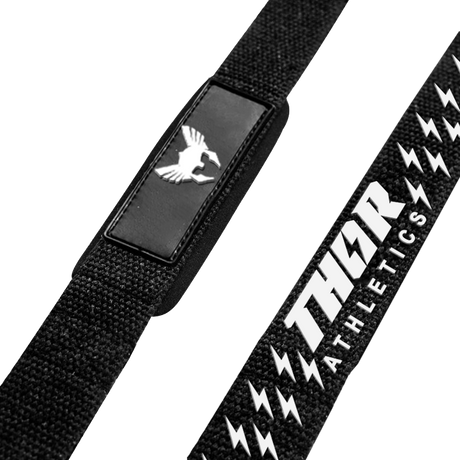

Your grip usually does not fail on deadlifts because your forearms are weak, but because your grip is the weakest link in the chain and gives out first under heavy weight. The causes are often a double overhand grip, sweaty hands, too little targeted grip training, or simply weight that increases faster than your grip develops. You can solve this with the right technique and assistance tools.
Why your grip gives out first on deadlifts
Your back, legs, and hips are collectively much stronger than your fingers. As soon as the bar gets heavy, your grip is therefore often the bottleneck on deadlifts: your torso and legs can still handle the load, but the bar rolls out of your hands. This is normal and does not mean you are weak. It means your grip needs separate attention.
The most common causes
- Double overhand grip: with both palms facing you, the bar rolls open easily. This is the first point at which your grip fails on deadlifts.
- Sweaty hands and a smooth bar: without chalk, the bar slips away.
- Too little grip training: if you never train your grip separately, it will lag behind your overall strength.
- Rapid weight progression: your torso gets stronger faster than your forearms.
How to improve your grip on deadlifts
There are two approaches: making your grip stronger and supporting your grip. For the first, train specifically with dead hangs, farmer's walks, and heavy holds. For the second, use a better grip or assistance tools. Consider a mixed grip or hook grip, and use chalk for dry hands. Read more about building stronger forearms in the long term in our blog about grip strength training.
When should you choose lifting straps?
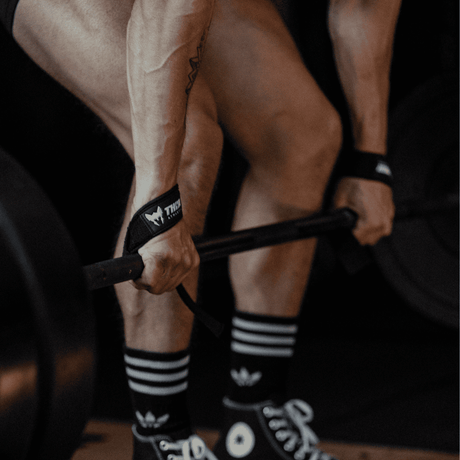
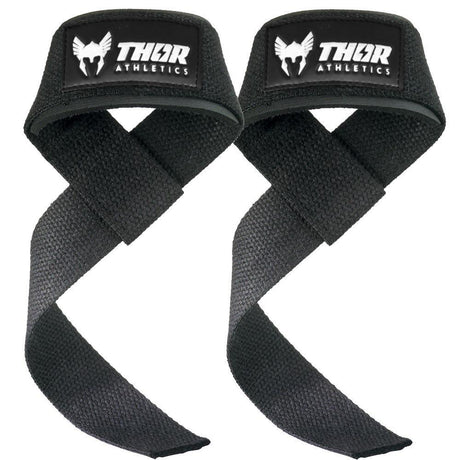
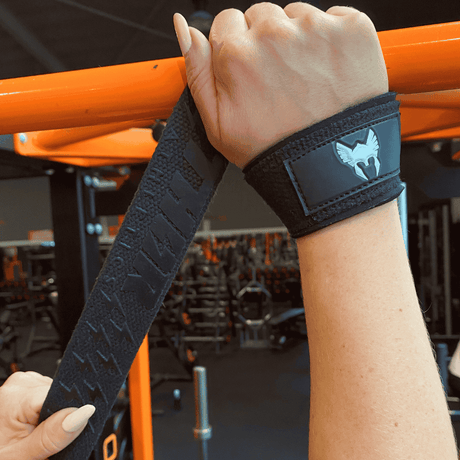
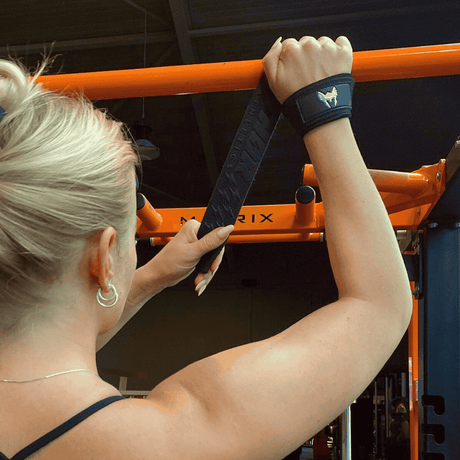
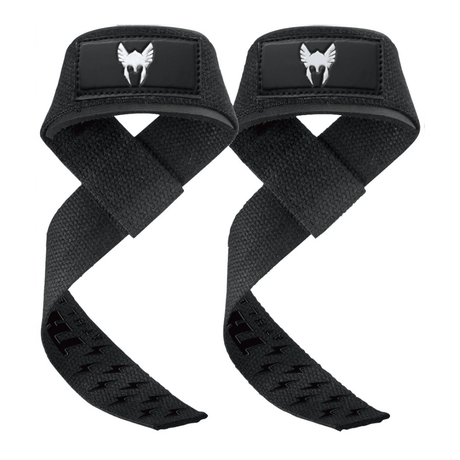
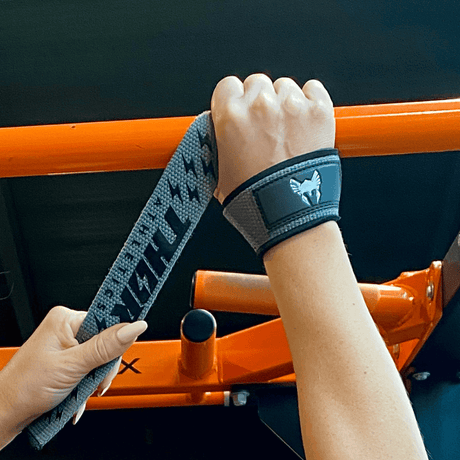
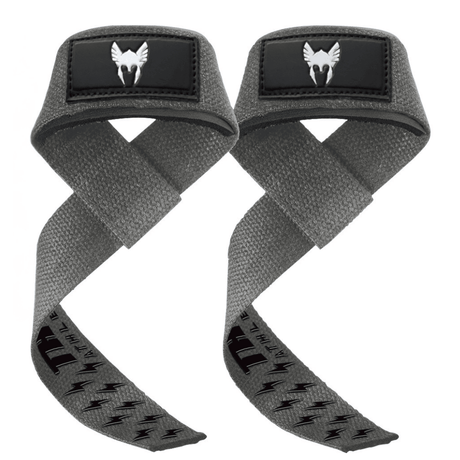
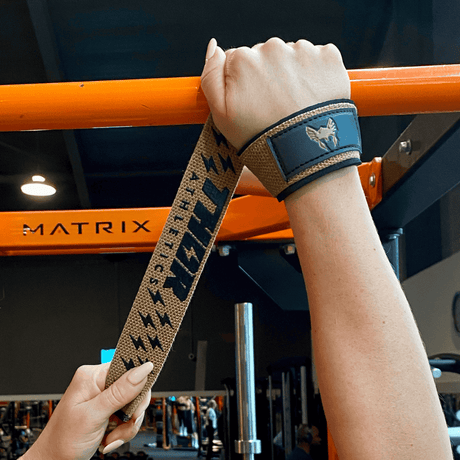
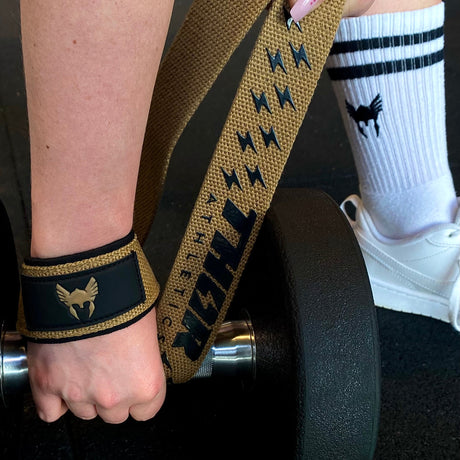
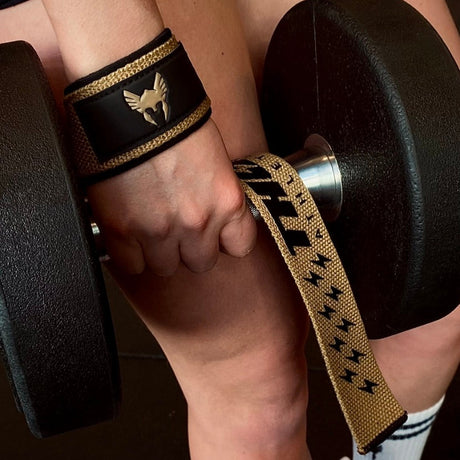
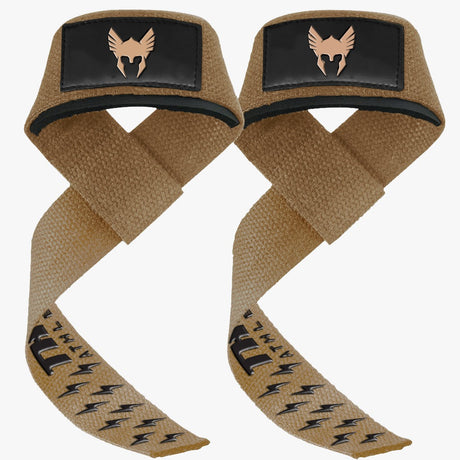
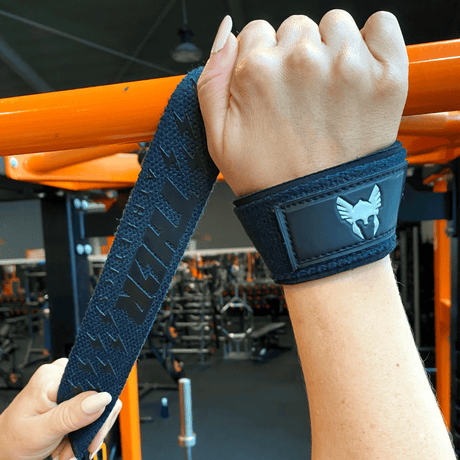
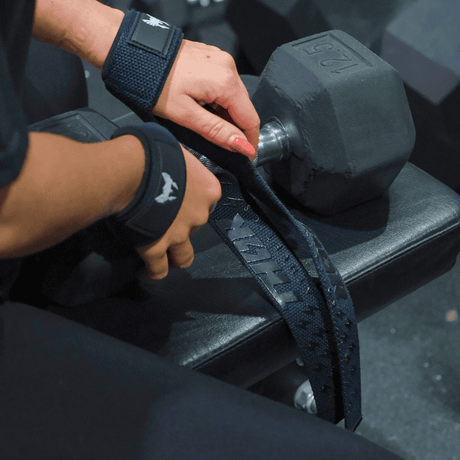
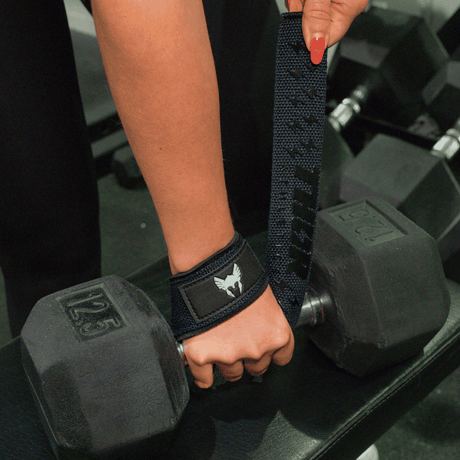
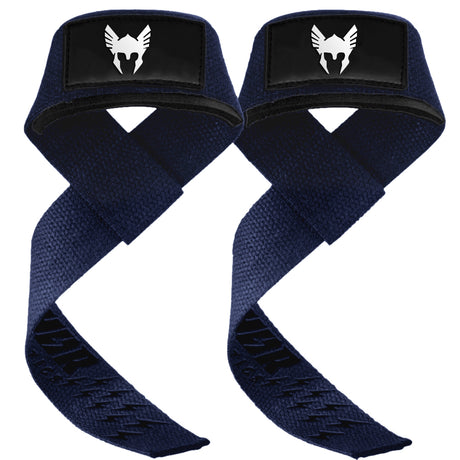
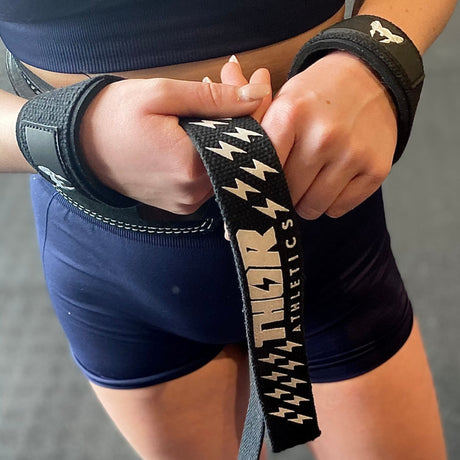
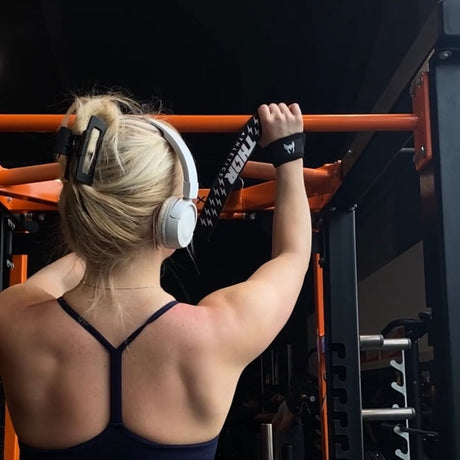
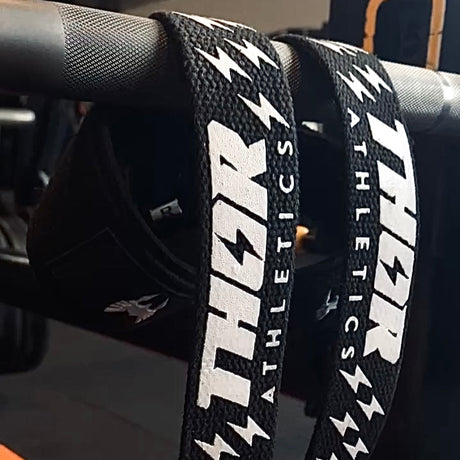
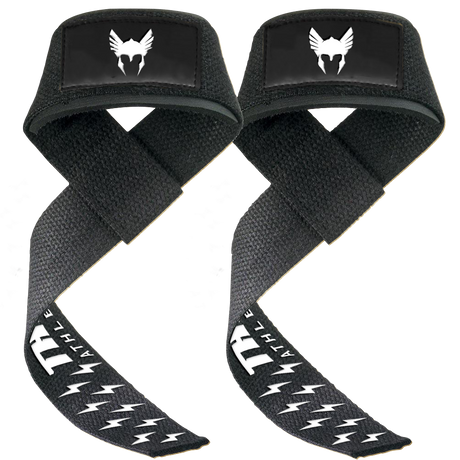
If your grip keeps failing on heavy deadlift volume sets while your back and legs can still handle the load, lifting straps take your grip out of the equation. This allows you to train your back and legs to the desired volume without your grip being the limiting factor. For your maximal singles, you should continue training your grip. Unsure whether to choose straps or grips? Read the difference between lifting grips and lifting straps.

Conclusion: grip failure during deadlifts
If your grip fails during deadlifts, it is not a sign of weakness but of a normal imbalance: your torso is stronger than your fingers. Address it with a smarter grip, chalk, and targeted grip training, and use lifting straps to continue your heavy volume work. This ensures that your grip during deadlifts is never again the reason a set stops earlier than necessary.
Frequently asked questions about grip during deadlifts
Why does my grip give out during deadlifts?
Your grip gives out because your fingers and forearms are the weakest link in the deadlift chain. Your back and legs can generally handle much more than your hands can hold, especially with a double overhand grip and sweaty hands. The bar then slowly rolls open. This is completely normal and can be addressed with a better grip, chalk, and targeted grip training.
How can I improve my grip for deadlifts?
Combine technique and training. Switch to a mixed grip or learn the hook grip, use chalk for dry hands, and add targeted grip training such as dead hangs, farmer's walks, and heavy holds at the end of your workout. Build this up gradually. This way, your grip on deadlifts improves along with the rest of your strength instead of continuing to lag behind.
Do lifting straps help with a failing grip?
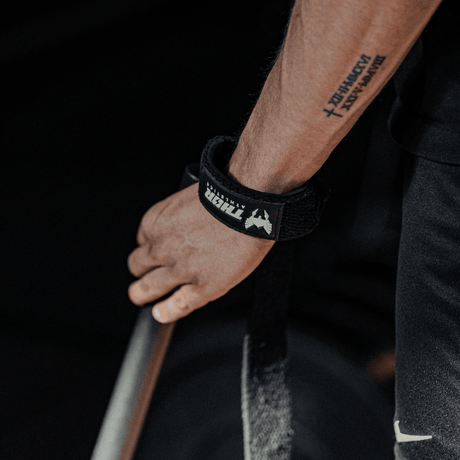
Yes. Lifting straps essentially connect your hands to the bar, so your grip is no longer the limiting factor. This allows you to train your back and legs to the desired volume, even if your grip gives out earlier that day. Use straps primarily for your heavier volume sets, and keep some of your work strapless to continue developing your grip.
Is a failing grip bad for my progress?
A failing grip is especially frustrating because your sets stop before your back and legs have been properly stimulated. As a result, you miss out on training volume for your major muscle groups. By supporting your grip with straps while training it separately, you can complete your full volume and build a stronger grip over time, so your progress is not held back.