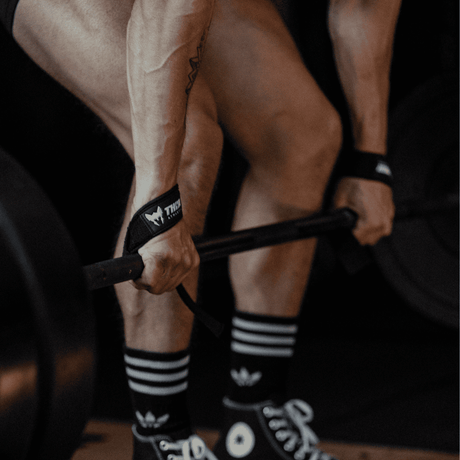

Your grip fails before your back. On heavy deadlifts, rows, and pull-ups your hands fail often while the target muscle can handle more. A strong grip raises that limit up: you hold heavier weight longer, train more volume, and build stronger forearms that come back in almost every lift.
In this guide read why grip strength is so important, what types of grip there are, the best exercises for strong forearms and how to train grip smartly without to avoid overloading yourself.
Why grip strength is important
Grip is the link between you and the bar. If that link is weak, it limits everything you you pull: deadlifts, rows, shrugs, pull-ups, and carries. A strong grip means more reps before your hands give out, better contact with the weight and more control on your heaviest sets. And it carries over outside the gym, a strong grip is functional strength you use every day.
The three types of grip
Grip strength is not one thing. It roughly has three forms, and you train them best all three:
- Crush grip: grip strength between your fingers and palm, think of a firm handshake or a gripper.
- Support grip: the ability to hold a weight for a long time, like in deadlifts and carries. This is usually the most important for lifters.
- Pinch grip: pinching with your fingers against your thumb, like holding a plate on the smooth side.
The best exercises for grip strength and forearms
These exercises build a strong grip and solid forearms:
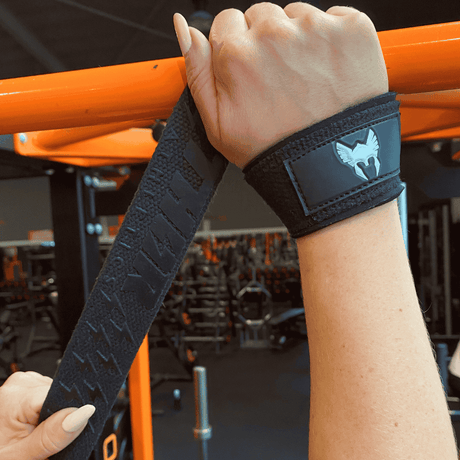
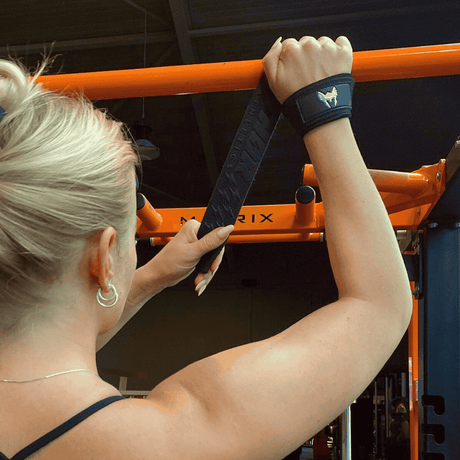
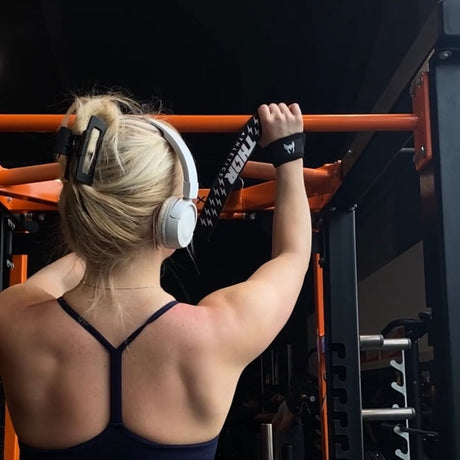
- Dead hangs: hang from a pull-up bar as long as you can. Simple and effective for support grip.
- Farmer’s walks: walk with heavy dumbbells or kettlebells. Builds support grip, forearms, and your whole body.
- Barbell or dumbbell holds: hold a heavy weight for 20 to 40 seconds at the end of your pulling exercise.
- Wrist curls and reverse wrist curls: targeted forearm work for both the flexor and extensor side.
- Plate pinches: pinch two plates together on the smooth side and hold, strong pinch grip.
- Fat-grip work: a thicker grip makes every pulling exercise harder for your grip.
How do you train grip smartly?
Your forearms recover relatively quickly, so you can train grip 2 to 3 times a week. Set targeted grip work at the end of your workout, so a tired grip doesn't main exercises are not limited. Build up gradually in time, weight, or repetitions and Don't overdo it, just like any muscle your forearms need recovery. A few focused sets per week quickly deliver results.
<p>Research shows that targeted wrist and forearm training can improve the strength of these muscle groups. In a twelve-week training program, clear increases in wrist and forearm strength were measured (Szymanski et al., 2004).
Grip strength vs lifting straps: how does that work
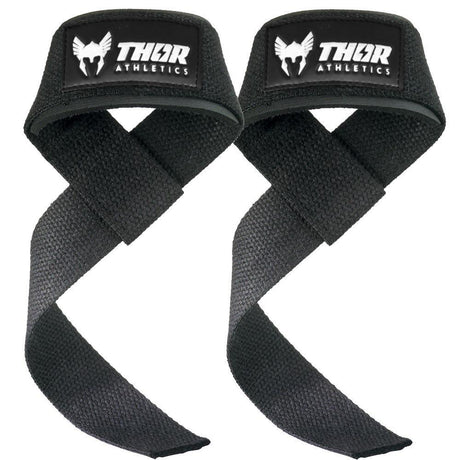
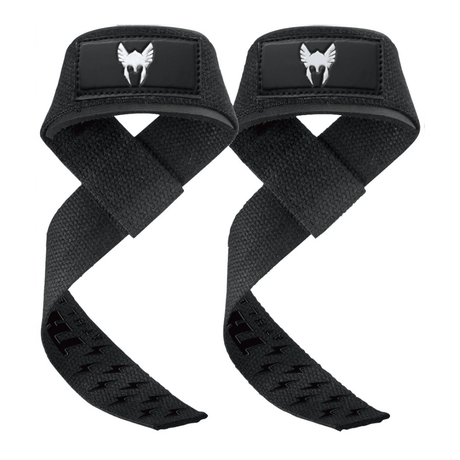
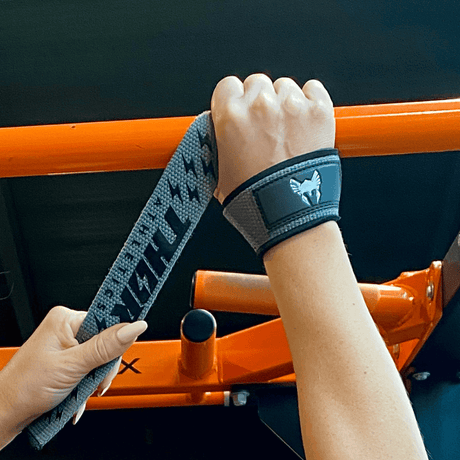
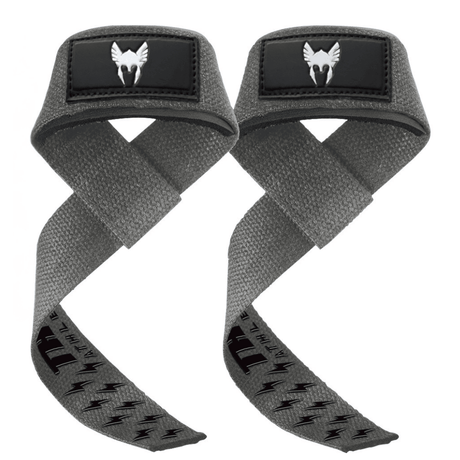
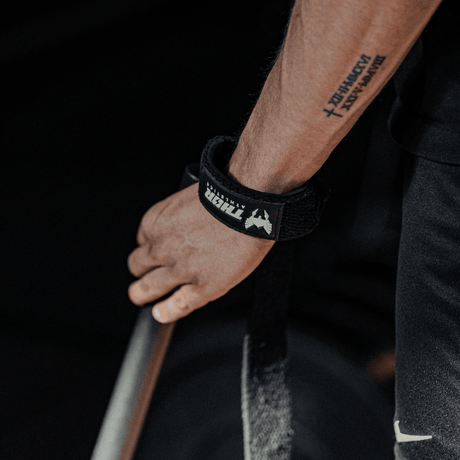
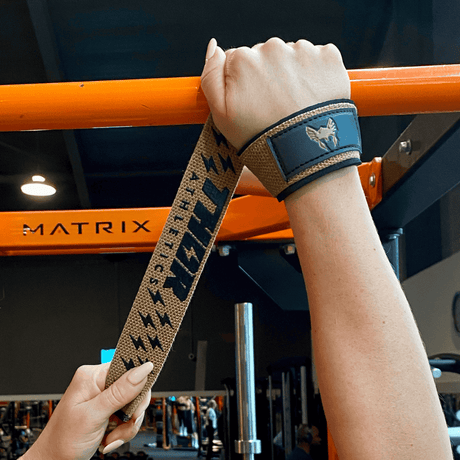
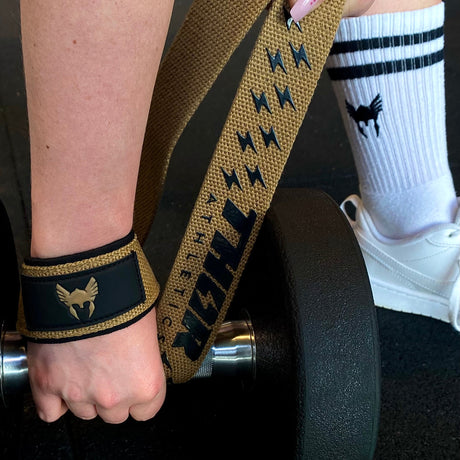
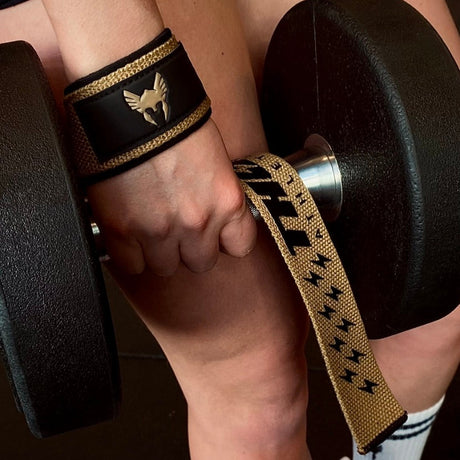
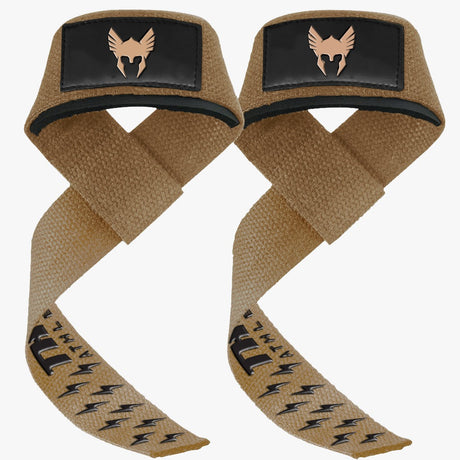
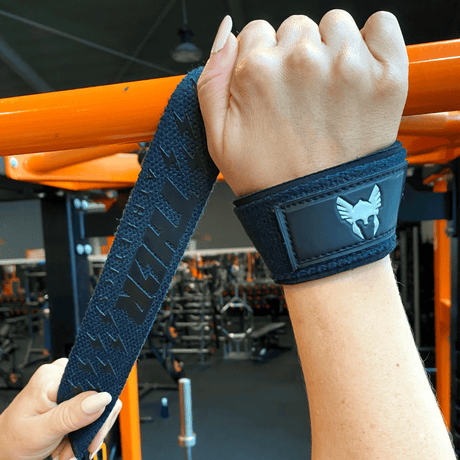
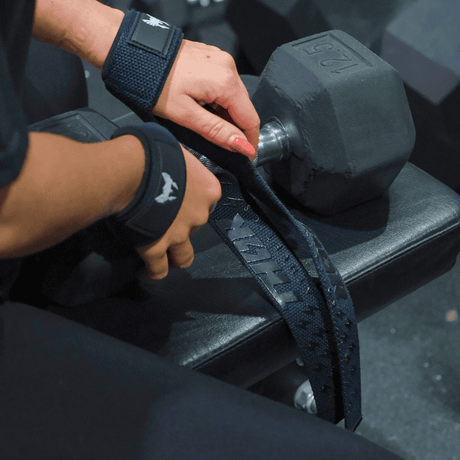
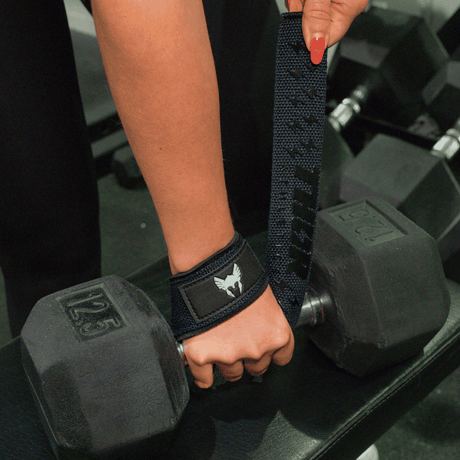
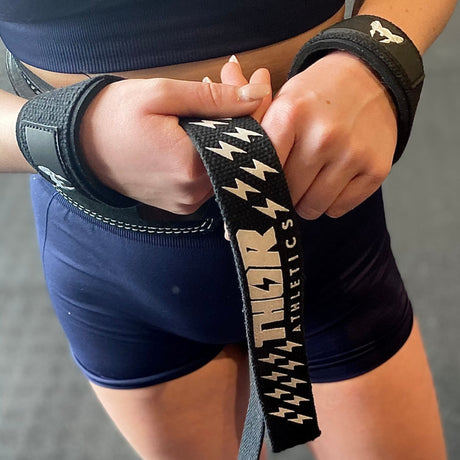
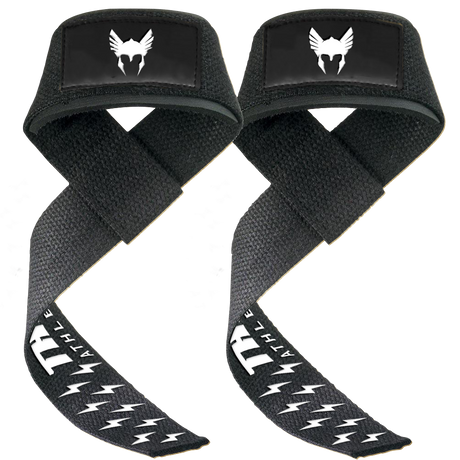
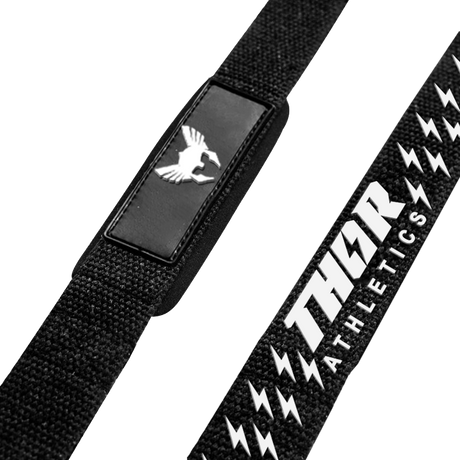
Straps and grip training don’t conflict, they complement each other. Train your grip strength actively, then you get stronger and hold weight longer. But on your heaviest back work you don’t want your grip to limit the target muscle; that’s where you use lifting straps so your back does the real work.
The smart approach: train your grip on your lighter and focused sets, and use lifting straps on your heaviest pulls. That way you build you a strong grip AND get maximum volume from your back training. How you putting on straps properly, read how to use lifting straps. Prefer to grips than straps, check out the difference between lifting grips and straps.

Frequently asked questions about training grip strength and forearms
How long does it take to improve your grip strength?
With 2 to 3 focused sessions per week often show progress within a few weeks. Just like with every muscle, lasting gains come from consistent, gradual progression.
Do lifting straps weaken your grip?
Only if you use them for everything. If you train part of your sets without straps and do focused grip work, then your grip stays strong while you use straps where it counts.
How often should you train your grip?
2 to 3 times per week is fine for most lifters. Place it at the end of your training and give your forearms recovery in between.
What is the best exercise for your forearms?
There is no some of the best, but farmer’s walks and dead hangs give great value for your time because they train multiple forms of grip at the same time.
Does a grip trainer really help?
For crush grip well. It’s a handy addition, but combine it with support and pinch work for a complete, strong grip.
Build a strong grip, and use straps where your back can go further than your hands. That way you never lift less than you can.