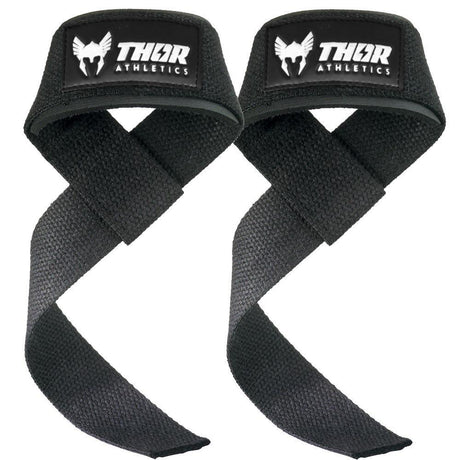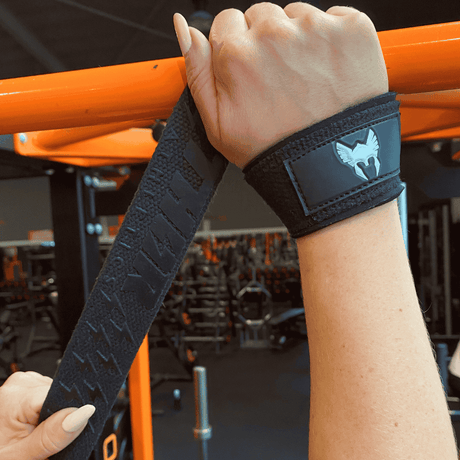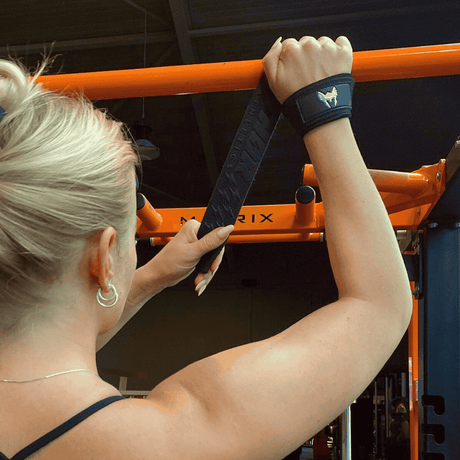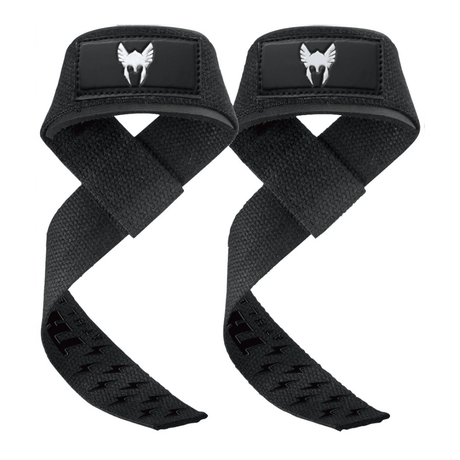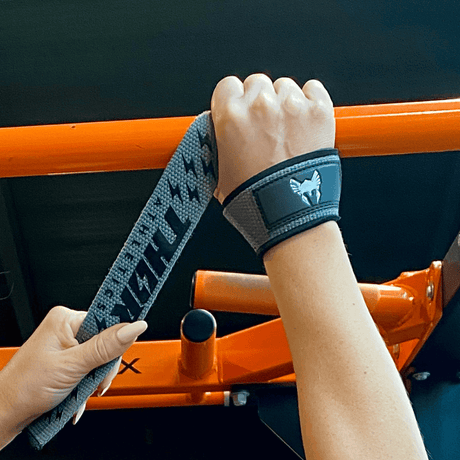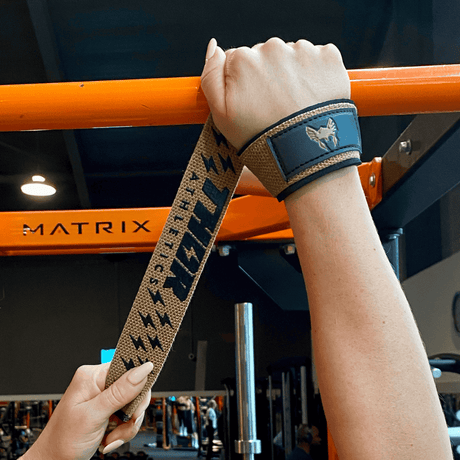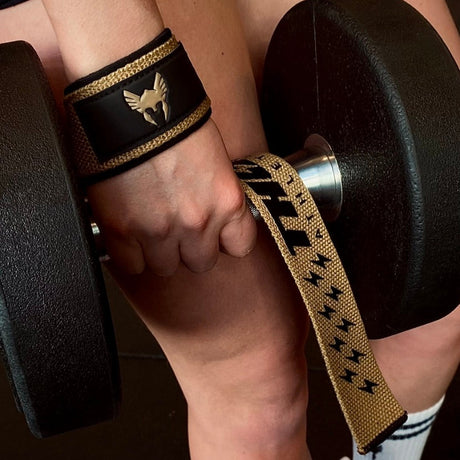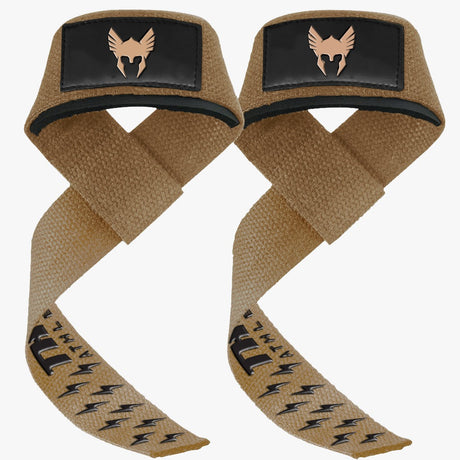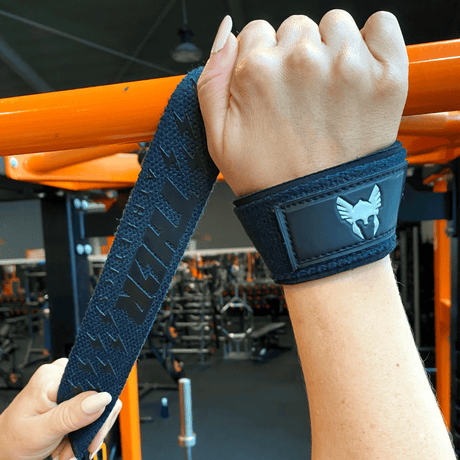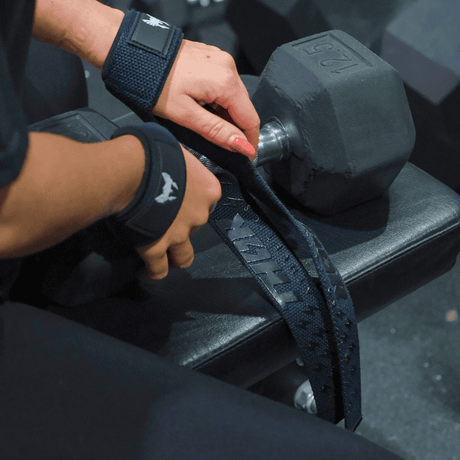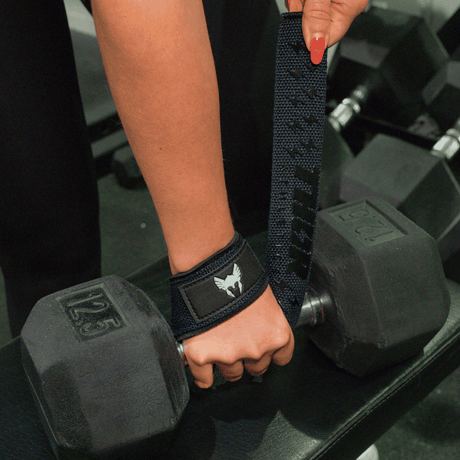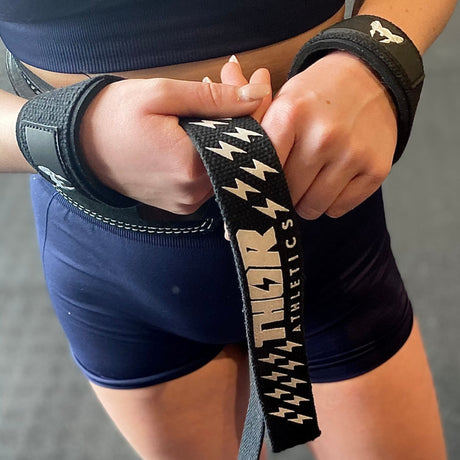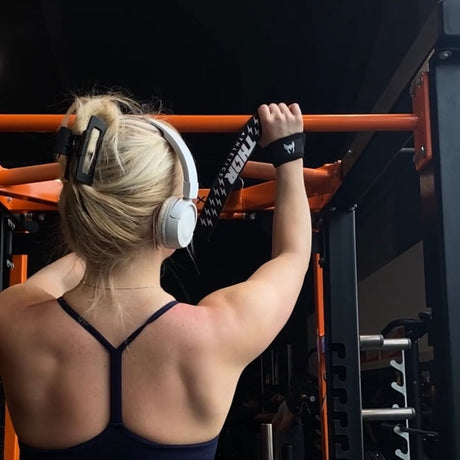

The the difference between lifting grips and lifting straps mainly lies in how they support your grip. support. You wrap lifting straps around your wrist and the bar, which bar is virtually attached to your hand. Lifting grips lie between your palm and the bar and provide extra grip, protection, and control. In short: straps are mainly made to reduce grip failure during heavy pulls, while grips offer more comfort and hand protection during many repetitions. Still, the difference between lifting grips and straps is not black and white. Both help you to back, traps, or hamstrings better without your forearms being the first to give up.
What are lifting grips?
Lifting grips are grip accessories that you wear around your wrist and include a piece rubber, leather, or sturdy synthetic material covers your palm. That part placed between your hand and the bar. This creates more friction and you have to squeeze less hard to maintain control.
The a big advantage of lifting grips is that they not only support grip but also protect your palm. Think less calluses, fewer pressure points, and less irritation during exercises like lat pulldowns, seated rows, pull-ups, dumbbell rows and shrugs. Especially in bodybuilding, hypertrophy training, and higher training volumes, lifting grips can be comfortable.
With lifting grips vs straps you often see that grips are popular among athletes who do a lot of back volume and not necessarily max out on heavy deadlifts. They provide support but often leave a bit more active grip than straps. Some athletes actually like that because you still feel control over the bar.
What are lifting straps?
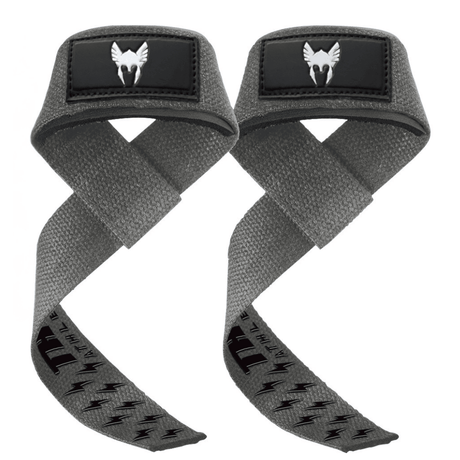
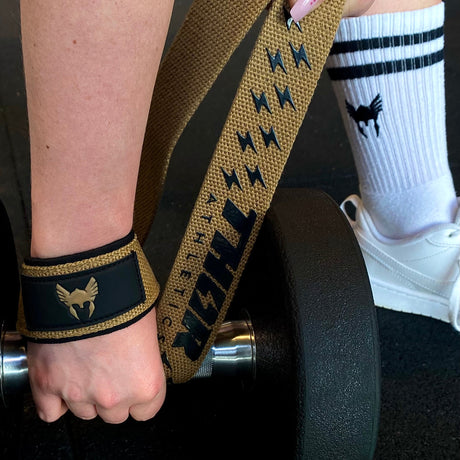
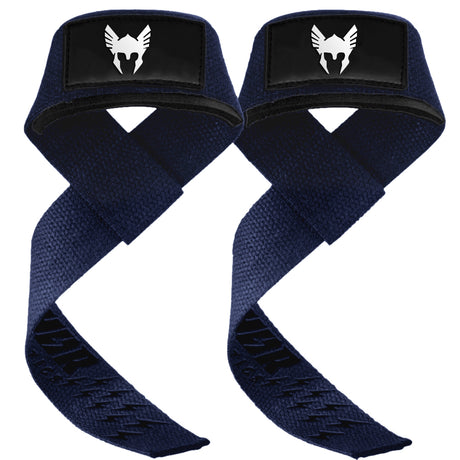
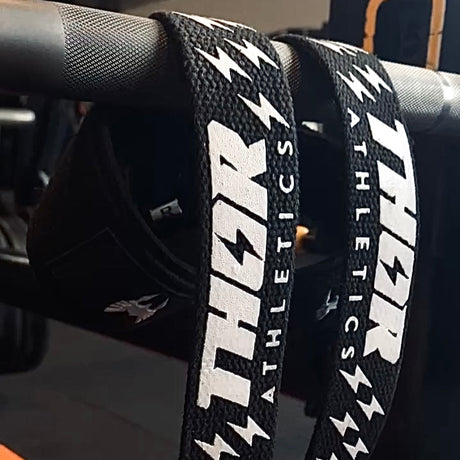
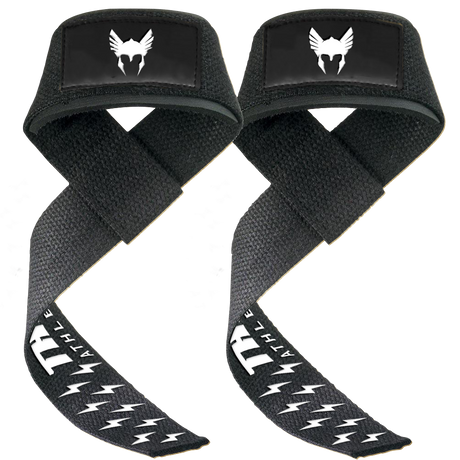
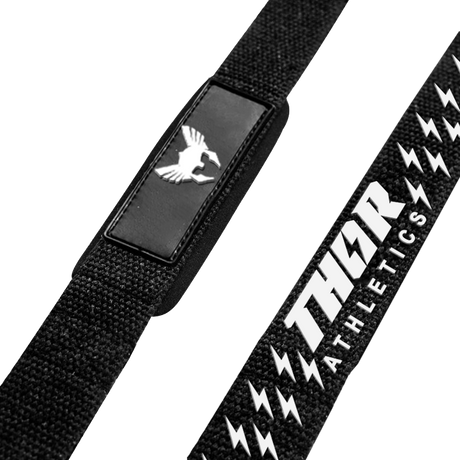
Lifting straps are long bands of cotton, nylon, or leather that you wrap around your wrist and then wraps around the barbell, dumbbell, or cable attachment. This improves your grip less quickly the limiting factor. Especially with heavy deadlifts, Romanian deadlifts, barbell rows, and shrugs can make a big difference with straps.
Scientific Research on lifting straps mainly focuses on deadlifts. A study from 2021 showed that lifting straps during deadlifts can help maintain grip strength better retention, faster grip recovery, and perceived grip confidence to improve. They also looked at movement speed and perceived effort. Another study with trained women found that lifting straps during deadlifts could help to do more repetitions while better maintaining of grip strength, without a clear negative impact on technique variables.
That makes straps especially interesting when your target muscle is stronger than your grip. If your back or hamstrings can still go, but your hands can no longer hold the bar holding well, you might have to stop your set too early. Straps partly solve that problem on.
What are the benefits of lifting grips?
The the benefits of lifting grips are mainly in comfort, protection, and control. They can be useful for many pulling movements, especially if you often suffer from your hands or when your grip quickly fatigues during back training.

Lifting grips can help with
- more grip on the bar or cable handle;
- less pressure on your palms;
- less callus formation or irritation;
- more focus on back, traps, or biceps;
- train more comfortably at higher volumes.
Still you should not see lifting grips as a magical replacement for straps. With really heavy deadlifts often give traditional lifting straps a firmer lock-in. The difference between lifting grips and lifting straps is not only in appearance, but also in how strongly they connect the bar to your hand.
Lifting grips vs straps: which suits you better?
The choice the choice between lifting grips vs straps mainly depends on your training. Do you do a lot of back training, machines, cables, pull-ups, and hypertrophy work? Then lifting grips are often a good choice. They support your grip, protect your hands, and feel comfortable for many athletes.
Train your especially heavy barbell exercises like deadlifts, RDLs, rack pulls, or heavy rows? Then lifting straps are often more logical. They are designed to prevent grip failure so to disable as much as possible, so you can pull heavier or longer.
The verschil lifting grips en lifting straps kun je dus simpel samenvatten: grips are more focused on comfort, hand protection, and grip support; straps are more focused on maximum grip assistance during heavy lifts. Many serious athletes therefore use both. Grips for back training and volume, straps for the heaviest compounds.
For good grip support you can look at the lifting grips from Thor Athletics and the lifting straps from Thor Athletics. This way you can choose what suits you best fits your way of training.
Conclusion: what is the difference between lifting grips and lifting straps?
The the difference between lifting grips and lifting straps lies mainly in function and feel. Lifting grips provide extra grip, protect your palms, and are comfortable for a lot of back- and hypertrophy training. Lifting straps wrap around the bar and usually provide more support when grip strength becomes the limiting factor in heavy lifts.
For bodybuilding, cable work, and high training volume, lifting grips are often a good choice. For heavy deadlifts, RDLs, and rows, lifting straps often remain stronger. The best choice therefore does not depend on what is “better,” but on your goal, exercises, and preference.
References
Jukic et al. 2021 — research on lifting straps, grip strength, movement speed, and grip security during deadlifts. Click here
Trahey et al. 2023 — research on lifting straps and deadlift performance in trained women. Click here
Torokhtiy 2025 — comparison between lifting grips and straps based on practical use. Click here