
The training the trapezius muscle is most effective by splitting it into three parts three parts (upper, middle, and lower) and targeting each part with the correct exercises, sufficient volume, and controlled execution. By cleverly combined with progressive overload and good technique, you not only build mass, but also prevents complaints in your neck and shoulders. (Lehman et al., 2006)
What is the trapezius muscle?
The trapezius is a large, triangular muscle that runs from your neck to halfway down your back and to your shoulders. It consists of three parts:
- Upper trapezius: involved in shrugging your shoulders (shrugs)
- Middle trapezius: pulls your shoulder blades together
- Lower trapezius: stabilizes and pulls your shoulder blades down
Many people unconsciously train only the top, while actually the middle and lower fibers are crucial for posture, strength, and injury prevention. (Kendall et al., 2005)
How should you train the trapezius muscle per part?
Training the trapezius muscle works best if you split it into three parts: upper, middle, and lower. Each part does something different in your scapula position and therefore requires a different approach. Below you can see per part which focus you should have, so you don’t just do “random shrugs does,” but becomes stronger and fuller with focus.
Upper trapezius (neck/shoulders)
This part responds well to heavy load and relatively low to moderate reps.
Dear exercises:
- Dumbbell shrugs
- Barbell shrugs
- Farmer’s carries
Tips:
- Pull your shoulders straight up (do not roll)
- Hold the peak contraction for 1–2 seconds
- Go heavy, but maintain control
Middle and lower trapezius (upper back)
This parts are important for posture and scapula control, and respond better to controlled reps and good mind-muscle connection. (Andersen et al., 2014)
Dear exercises:
- Face pulls
- Seated cable rows (with focus on scapula retraction)
- Reverse flyes
- Y-raises / incline raises
Tips:
- Focus on pulling your shoulder blades together
- Use slightly lighter weights
- Control the eccentric phase

What are good tips for optimal results?
1.
Train frequently but smart
The trapezius is often indirectly loaded during back and shoulder training. 2–3
times per week direct focus is usually sufficient.
2.
Combine heavy and controlled work
Upper: heavier (6–12 reps)
Middle/lower: controlled (10–20 reps)
3.
Progressive overload
More weight, more reps, or better execution = growth. Without progression, no
result. (Schoenfeld, B.J., 2010)
4.
Don’t forget your posture
A weak lower trapezius can lead to rounded shoulders and
neck complaints.
5.
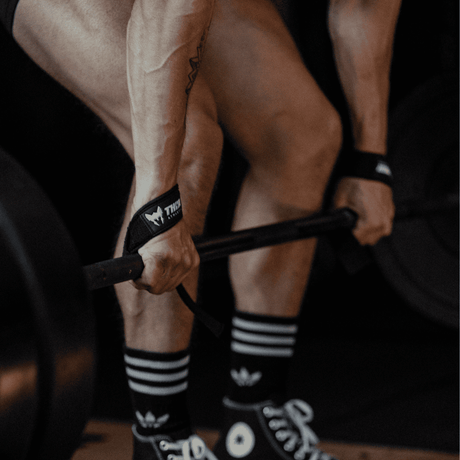
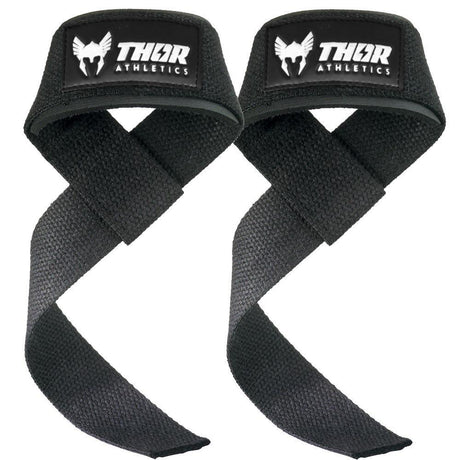
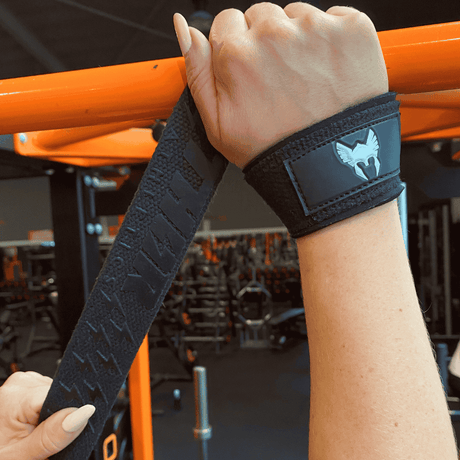
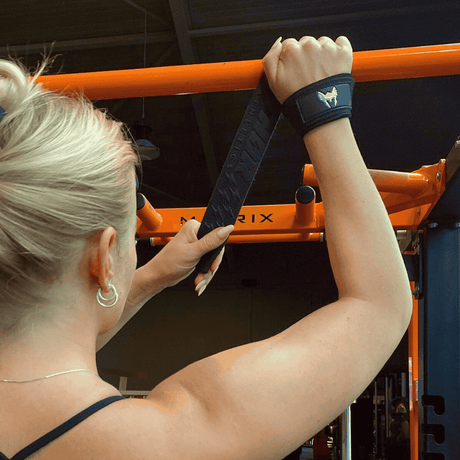
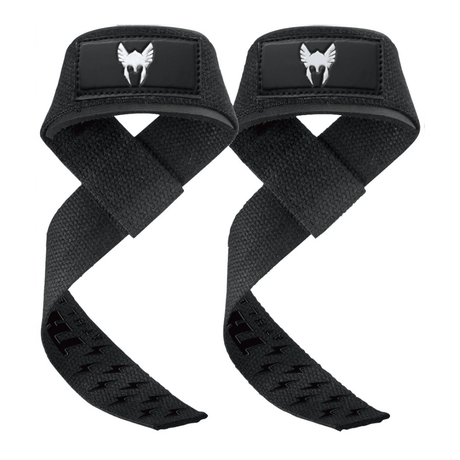
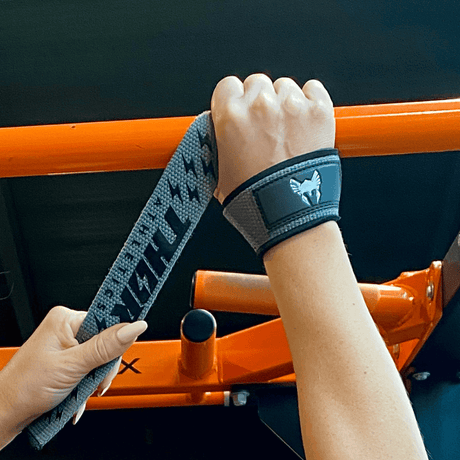
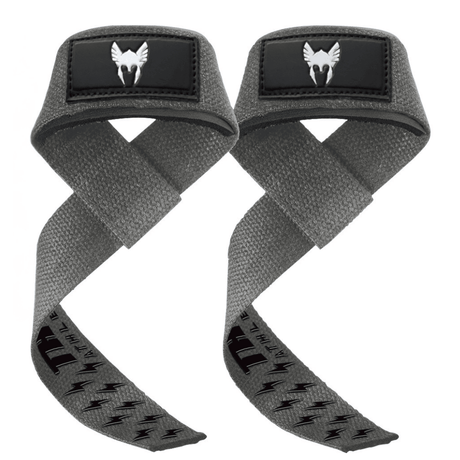
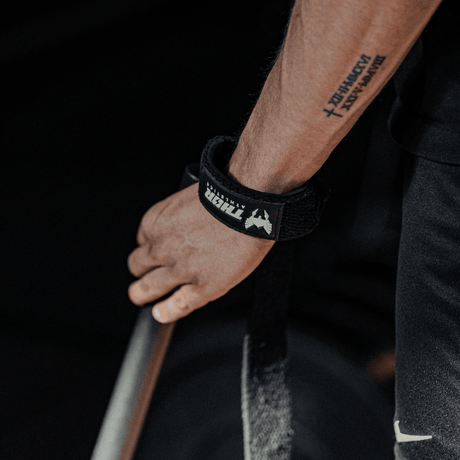
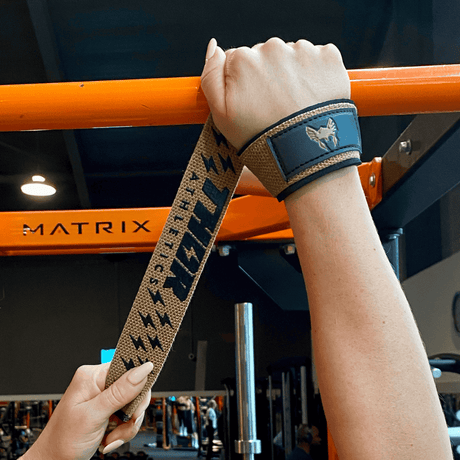
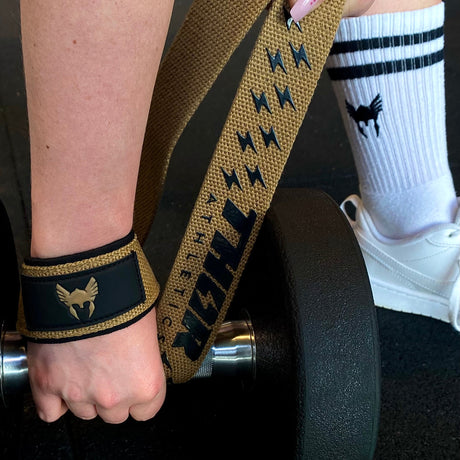
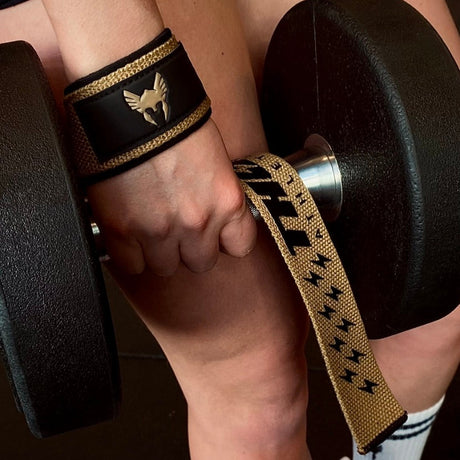
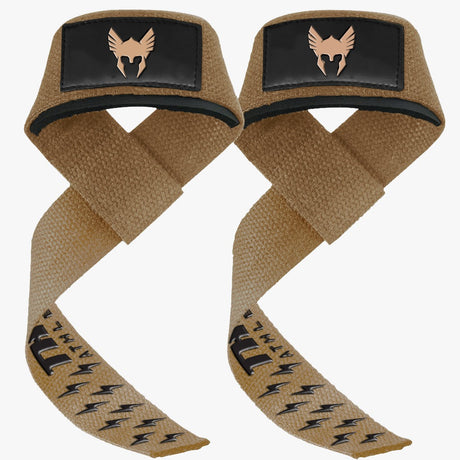
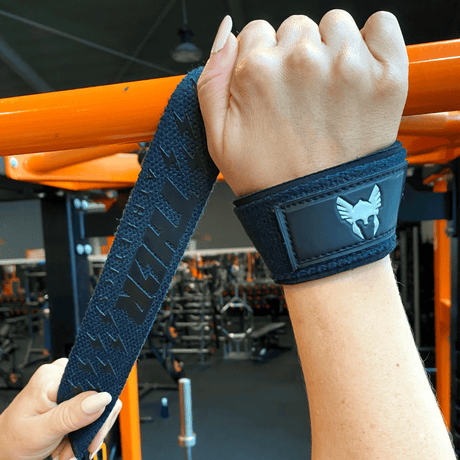
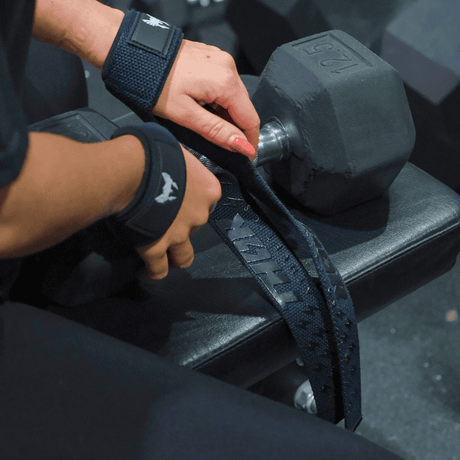
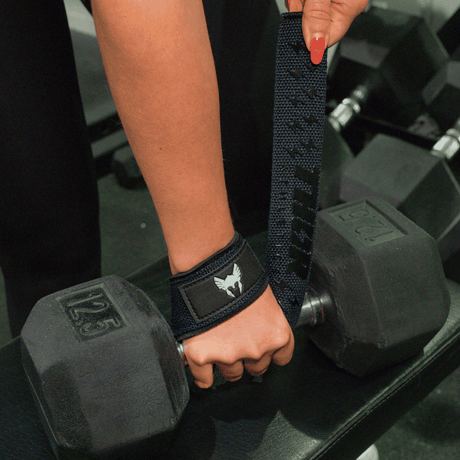
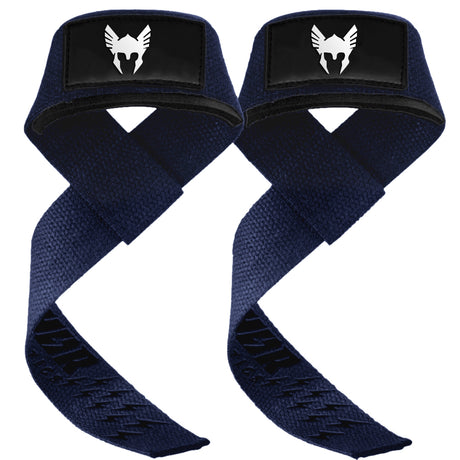
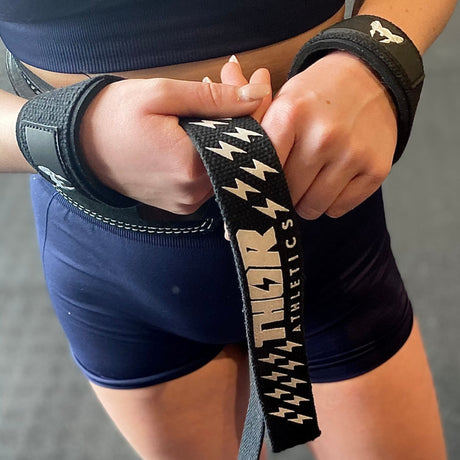
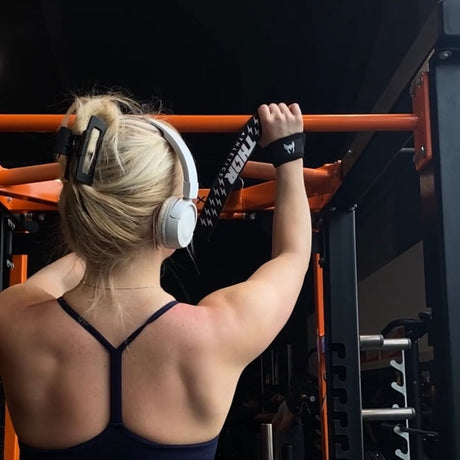
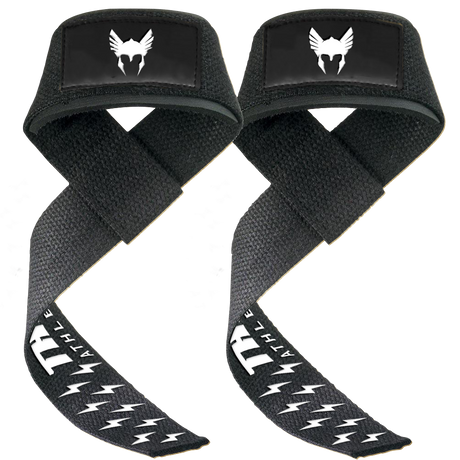
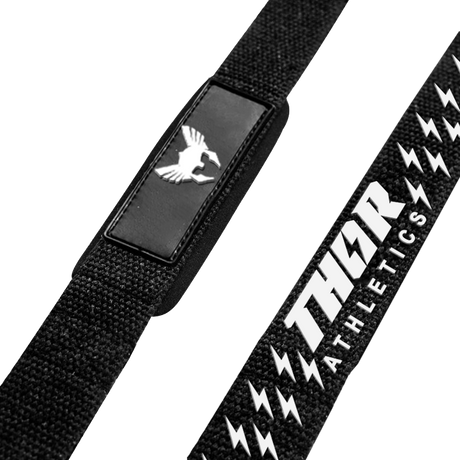
Use straps if needed
With shrugs or carries, grip can be limiting. Especially relevant if you already lift heavy
trains.
Relaxing and stretching the trapezius muscle
A tense trapezius often occurs due to stress, posture, or overuse.
What helps:
- Neck stretches (side tilts)
- Foam rolling upper back
- Heat (shower/heat pack)
Note note: stretching alone is not a solution. Often strengthening the lower part is actually trapezius is key.
What are the best exercises to train the trapezius muscle?
If you are looking for the best exercises to train the trapezius muscle, you want mainly one thing: exercises that not only hit the upper part but also the including the middle and lower fibers. Below you will find a short selection that fully train your traps, so you get stronger in your upper back and improve your posture stays tight.
Top 5:
- Shrugs (dumbbell/barbell)
- Face pulls
- Farmer’s carries
- Seated rows (focus on scapula)
- Reverse flyes
This combination effectively targets all parts of the trapezius.
What is a good trapezius dumbbell workout?
If you want a good trapezius dumbbell workout, you want a training that fully hits your traps: not just the upper part, but also the middle and lower fibers. Below you will find a practical dumbbell workout you can add to your pull or back day, so your targeted strength increases and you visibly build more mass without unnecessary bulk volume.
Workout (2-3x per week)
- Dumbbell shrugs – 4 sets x 8–12 reps
- Dumbbell farmer’s carry – 3 sets x 30–60 sec
- Incline reverse flyes – 3 sets x 12–15 reps
- Dumbbell Y-raises – 3 sets x 12–20 reps
Important (context)
You don’t (and shouldn’t) do all these exercises in one session. Then you already get quickly on way too much volume, especially since your trapezius is already being loaded during your regular back and shoulder training. (ACSM, n.d.)
Want je extra focus op je traps? Voeg dan simpelweg 2 van deze oefeningen toe aan het einde van je pull/back training. Think for example of:
- Shrugs + reverse flyes
- Farmer’s carries + Y-raises
Like this keep it effective without overtraining.
Focus:
- Heavy shrugs
- Rest controlled
- Quality over weight
Conclusion: how should you train the trapezius muscle?
The training the trapezius muscle is about balance. Not just heavy shrugs for the upper part, but also targeted exercises for the middle and lower fibers. Combine strength, control, and consistency, and you build not only a strong upper back, but also better posture and less injury risk.
References
- Schoenfeld, B.J. (2010). The mechanisms of muscle hypertrophy and their application to resistance training. Link
- Andersen, V. et al. (2014). Muscle activation and strength in shoulder stabilizers. Link
- Lehman, G.J. (2006). Resistance training for performance and injury prevention. Link
- American College of Sports Medicine (ACSM). Guidelines for Resistance Training. Link
- Kendall, F.P. et al. (2005). Muscles: Testing and Function with Posture and Pain. Link