
Wrist pain during bench pressing stops your progress exactly when you want to keep moving forward. Your chest and your triceps can handle more, but your wrists protest. The good news: in most In many cases, it comes down to your bar grip, wrist position, or training progression, and that is solve it.
In this guide, you will learn why wrist pain occurs during bench pressing, how to correct your grip and posture, correct it, how wrist wraps can help, and when it is better to consults one.
Why does wrist pain occur during bench pressing?
During bench pressing places a lot of force on a small base: your wrists. If your wrist bends under that load, the bar is positioned incorrectly in your hand, or you build you increase the weight too quickly, your wrist joint is subjected to more stress than can handle. Often, it is a combination. Below are the most common causes and the fix.
Cause 1: the bar is positioned incorrectly in your hand
If the bar sits high in your fingers, your wrist bends backward and pressure is placed on the joint instead of on your forearm. Place the bar lower in your palm; toward the heel of your hand, directly above your forearm bones. This positions the bar stacked above a firm wrist, allowing force to travel through your forearm instead of your wrist.
Cause 2: your wrist bends backward
A wrist that bends too far backward under the weight is a common source of pain. Keep your wrist as neutral as possible: straight or slightly extended, stacked above your forearm, and actively tensed. A loose wrist makes the joint do the work do what your muscles should be doing.
Cause 3: too heavy, too soon
Sometimes the cause is simple: you are increasing the weight too quickly. Your chest may be able to handle it, but your wrists and tendons need time to adapt as well. Increase the weight gradually, focus on clean technique, and give your joints time to to get stronger. You can find more tips in our blog about improving of your bench press.
Cause 4: insufficient wrist stability
Have you got your grip and your form is in order but your wrists still wobble during heavy sets, extra stability can make all the difference. Strong forearms help, but during your heaviest presses, wrist wraps provide direct support.
How wrist wraps help
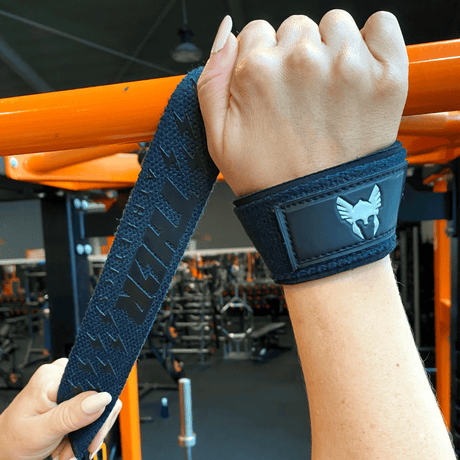
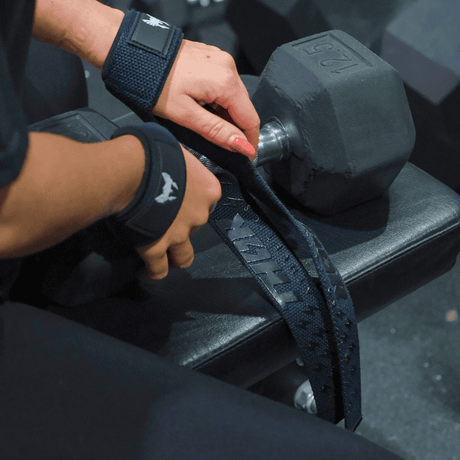
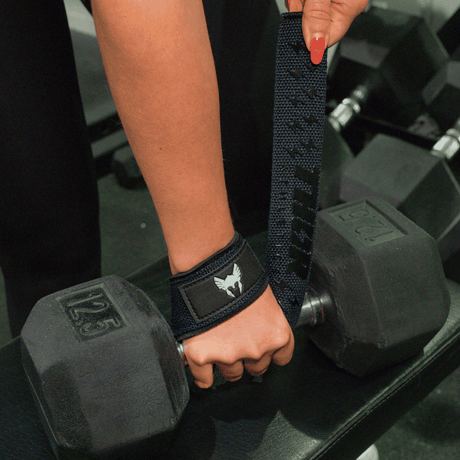
Wrist wraps wrap tightly around your wrist joint. They keep your wrist straight and stacked beneath the bar and take some of the load off the joint. This keeps your wrist stable during your heaviest sets, so you can press with greater confidence. Important: wraps provide support, not healing; they support a healthy wrist during heavy presses; they do not repair an injury. Want to know the difference from lifting straps? Read wrist wraps vs lifting straps.
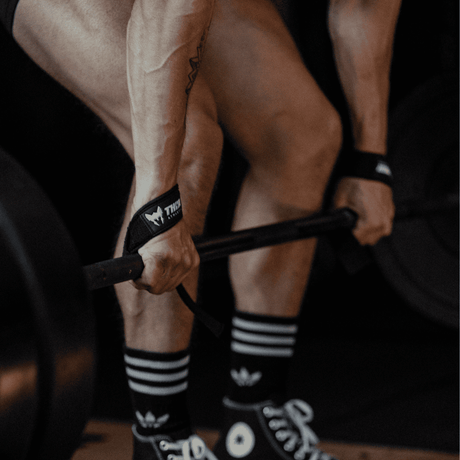
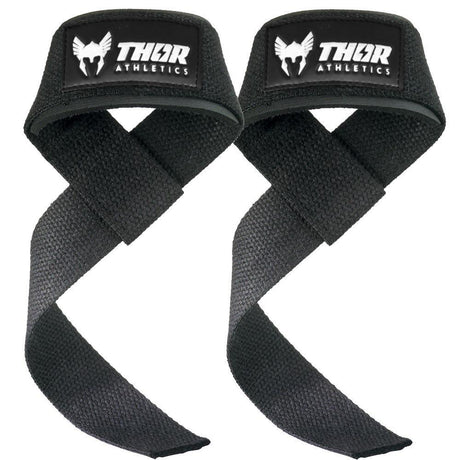
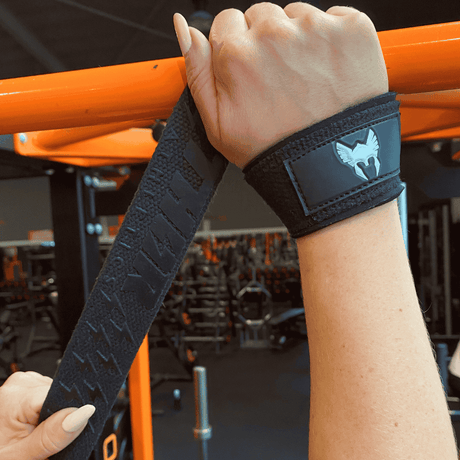
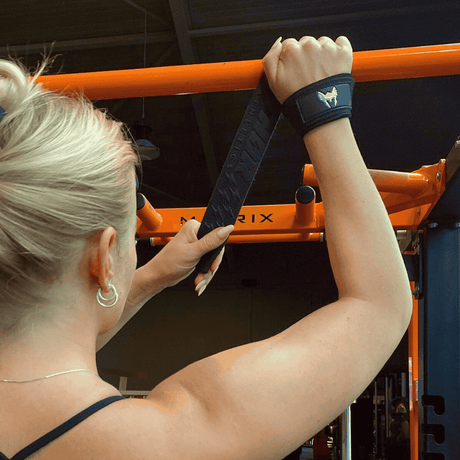
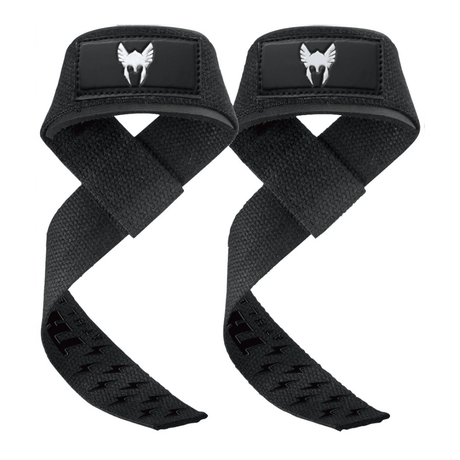
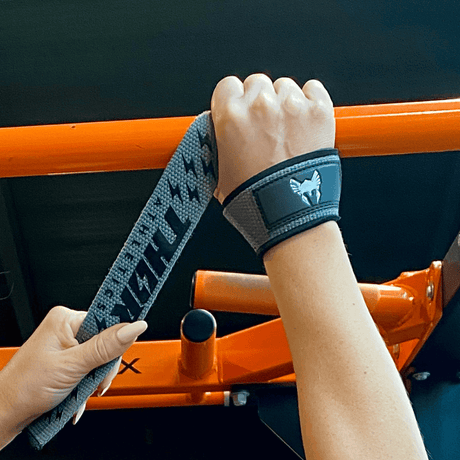
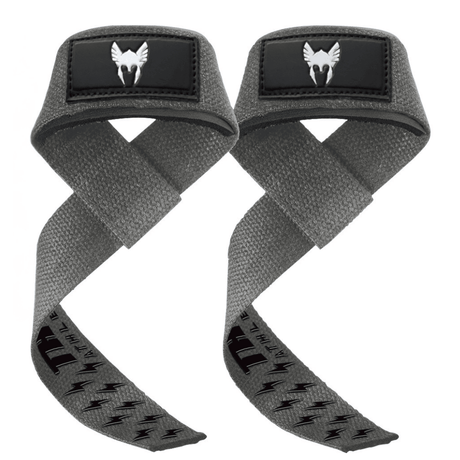
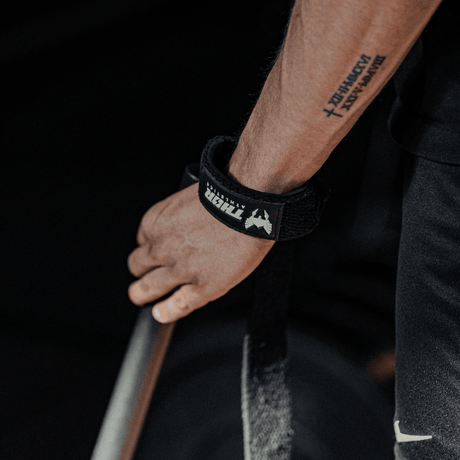
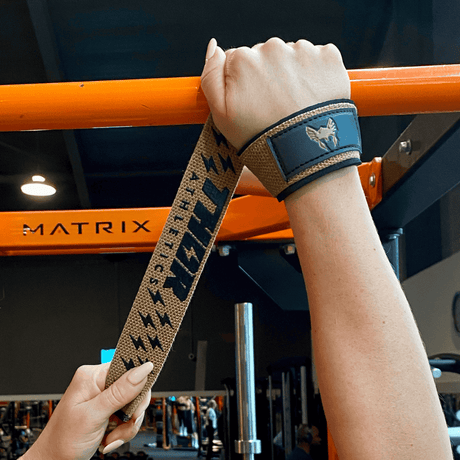
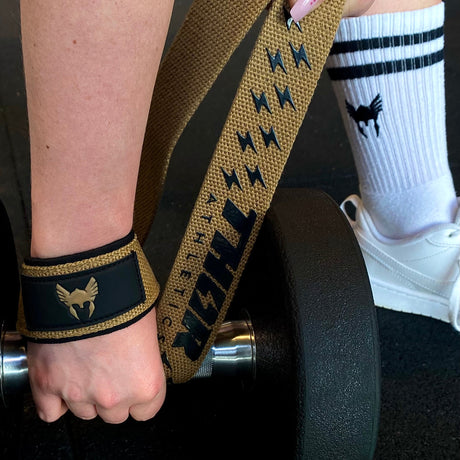
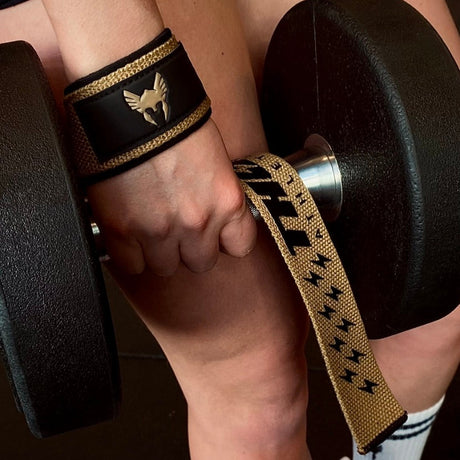
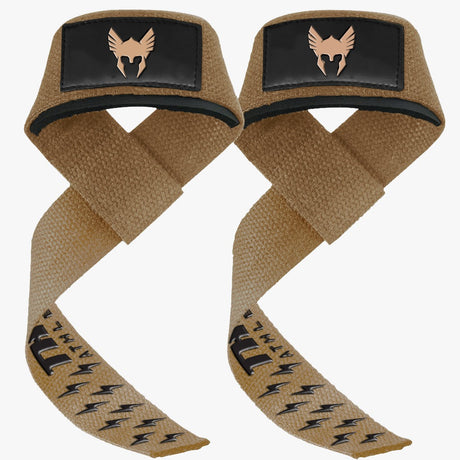
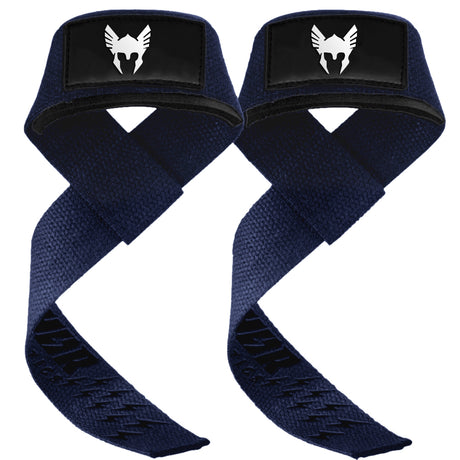
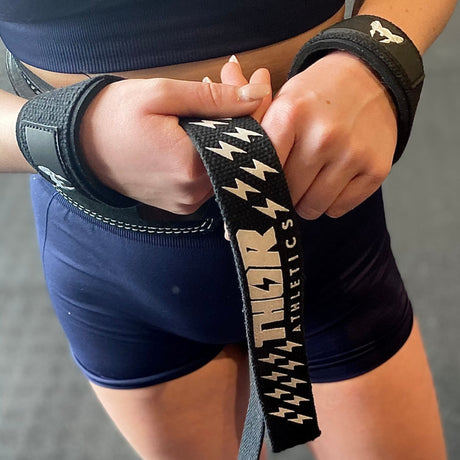
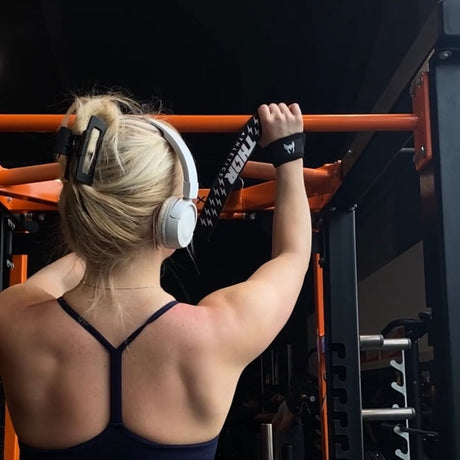
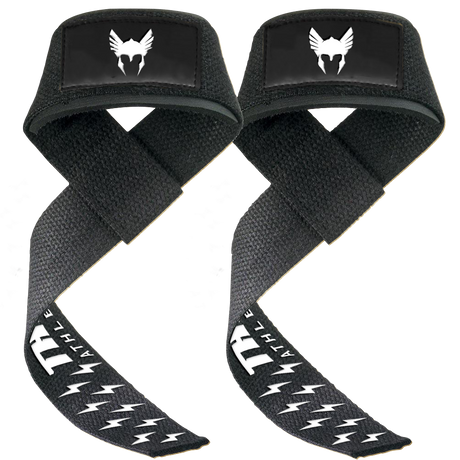
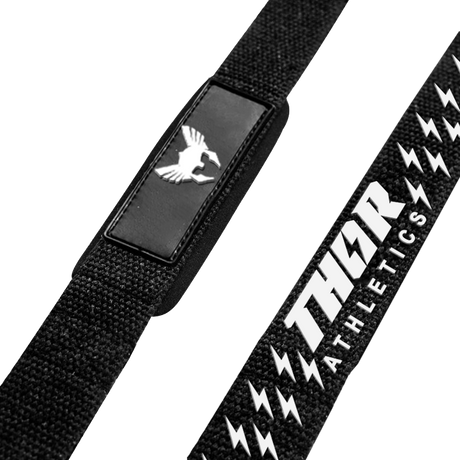
The Wrist Wraps from Thor Athletics provide firm wrist support with adjustable tightness, built for heavy bench press, overhead press, and dips. Want to know what to look for? Read buying wrist wraps: tips.

When should you see a professional?
Technique and Technique and support resolve most wrist complaints, but not everything. If the pain persists, is if it is sharp or accompanied by swelling or loss of strength, stop training don’t push through it. Consult a doctor or physiotherapist; gear is not a solution for an injury. Also read our blog about common training injuries and how to prevent them.
Frequently asked questions
Why does my wrist hurt when bench pressing?
Usually because your wrist bends backward, the bar sits too high in your fingers, or you progress too quickly too heavy. Correct your bar grip and form, and build up gradually.
Do wrist wraps help with wrist pain?
For wrists that wrists that wobble under heavy pressure, they do: they stabilize the joint and reduce strain away. With a real injury, they are not a solution; see a professional.
How should I hold the bar when bench pressing?
Place the bar low in your palm, directly above your forearm bones, with a straight, tense wrist. This directs the force through your forearm instead of your wrist joint.
Should I keep training with wrist pain?
Not through it sharp or persistent pain. Mild irritation often disappears with better technique and progression; persistent or sharp pain is a signal to stop and to ask for advice.
Wrist wraps or a wrist brace?
Wrist wraps are training gear that stabilizes your wrists during heavy sets and then takes off. A wrist brace is medical and intended for an injury. If symptoms don’t go away: consult a professional.
Fix your grip and form, build up sensibly, and support your wrists when the weight gets heavy. That way, your grow your bench press without your wrists holding you back.