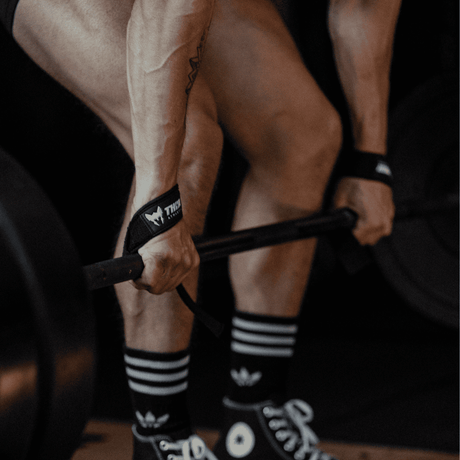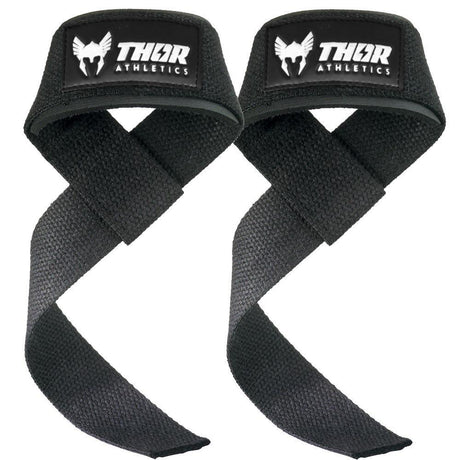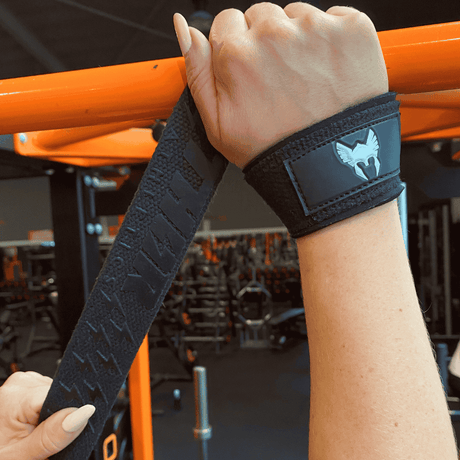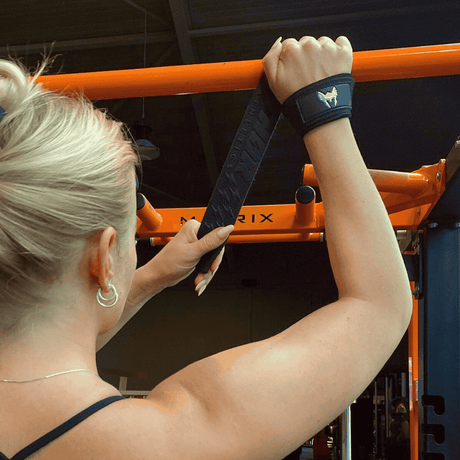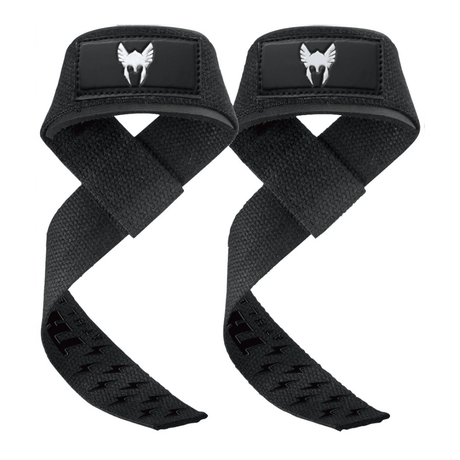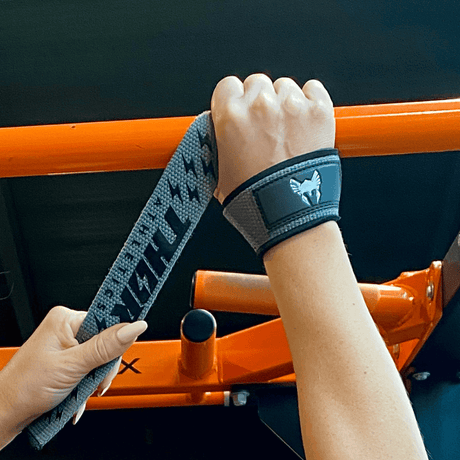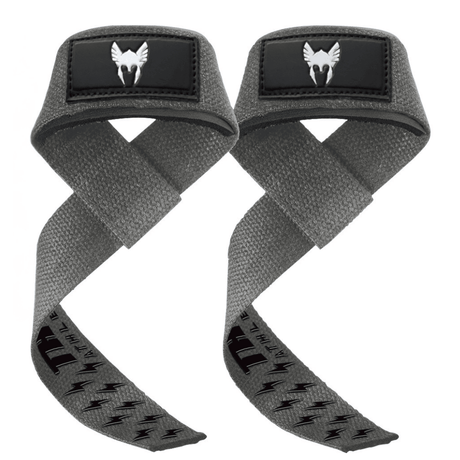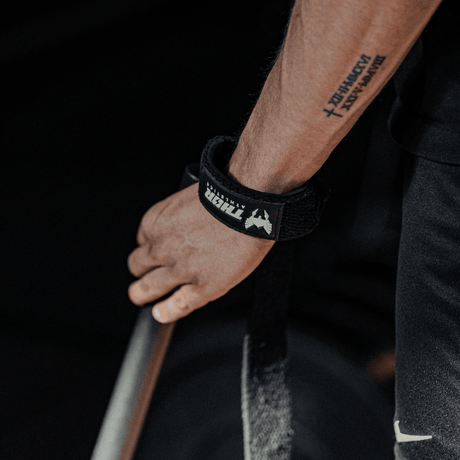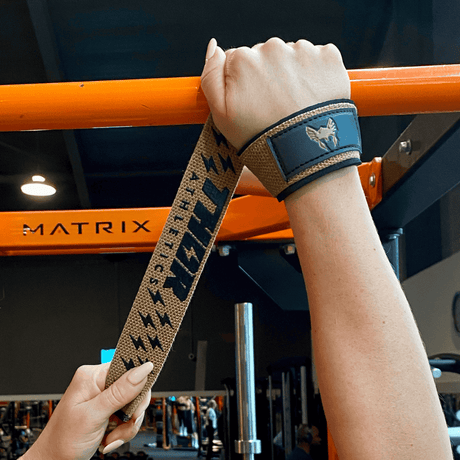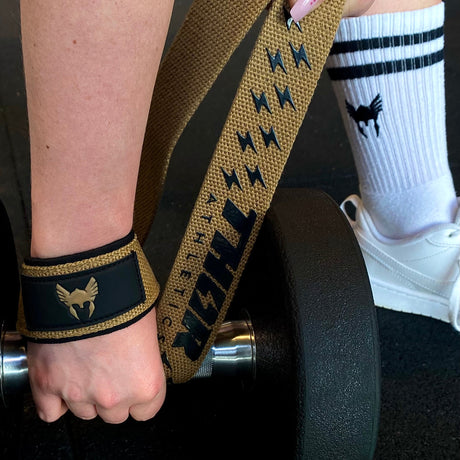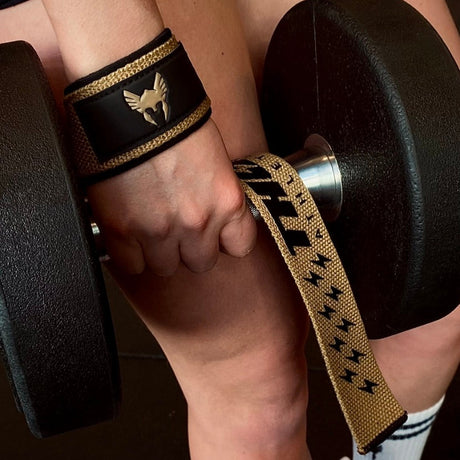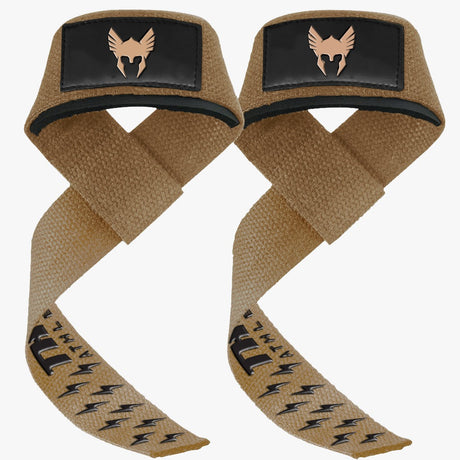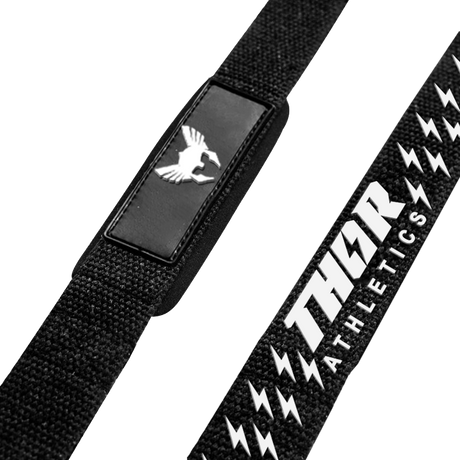

Lifting straps seem all the same at first glance. Two bands, a loop, done. Still, your choice determines how much grip you have, how comfortable the training is, and how how long they last. “The best lifting straps” don’t exist as a single product, but the straps that fit your training, wrists, and level.
In this guide read here what you really need to pay attention to before buying lifting straps: the criteria that make the difference, what a good strap should cost, how long they last long and which variant suits which lifter. Not a list with stars, but a an honest framework to help you make the right choice yourself.
Do you even need lifting straps?
First honestly: not everyone needs straps. If you train light to moderate and your grip is never the limiting factor, then they add little. Straps earn their place on the moment your hands give out before your back or legs, on heavy deadlifts, rows and pull movements. If you recognize that, straps remove that limitation and you can train heavier and with more volume.
What to look for when buying lifting straps?
1. Material
The material determines grip, comfort, and durability. These are the three most common types:
| Material | Strong in | Note |
| Cotton | Comfortable, flexible, all-round | Stretches a bit more than leather |
| Nylon | Durable and stiff | Less comfortable around the wrist |
| Leather | Long lifespan, premium | Needs to be broken in |
2. Grip and coating
How much grip you need depends on how heavy you pull. For general pull work, a a sturdy cotton strap is enough. If you lift near your max or suffer from sweaty hands, then a rubber coating makes a noticeable difference: more friction on the bar and less slip on your heaviest sets.
3. Length and fit
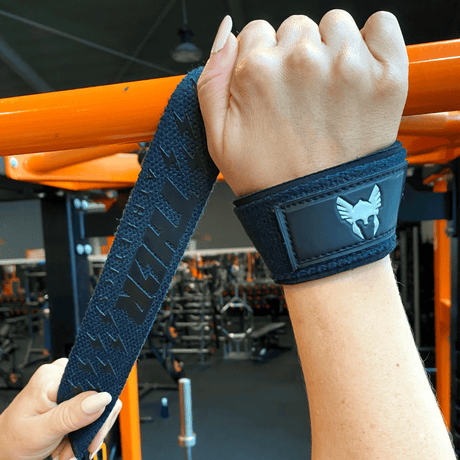
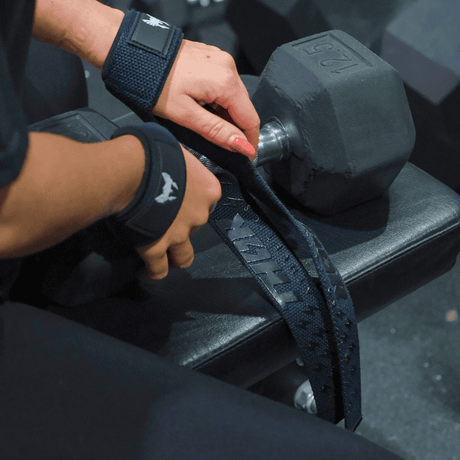
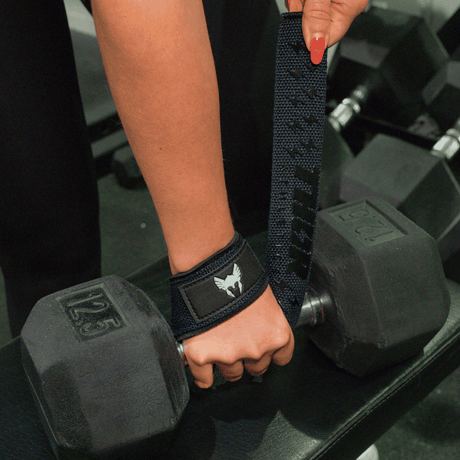
A good strap fits snugly around your wrist without pinching and is long enough to wrap two to three times around the bar. wrap around the bar once. Do you have thin wrists or small hands? Then a standard size is often too loose and the strap slips along. In that case, choose a smaller size for a tight, secure fit.
4. Finish and durability
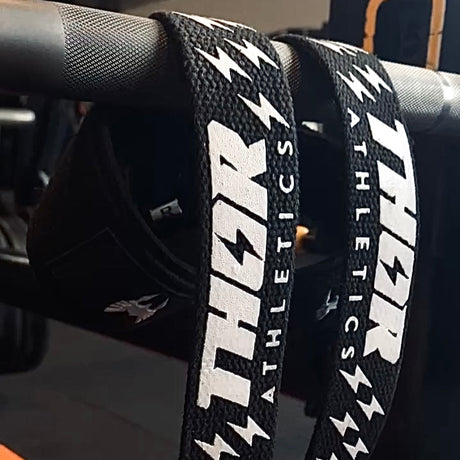
Cheap straps fraying at the stitches and stretching out. Look for double stitching, sturdy material and a neat finish. This is exactly where premium gear makes the difference makes a difference: it lasts for years instead of months.
5. Comfort around the wrist
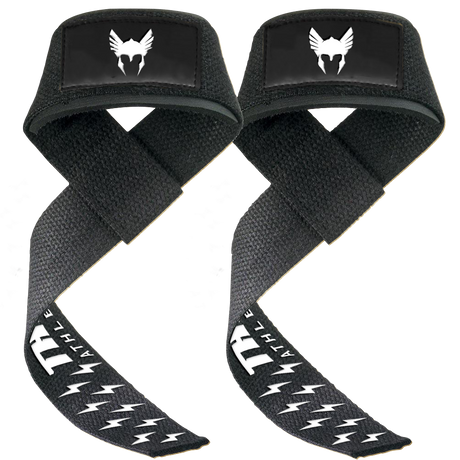
With heavy sets a bare band cuts into your wrist. A neoprene pad distributes the pressure and keeps it comfortable, even under heavy load. A small detail that on your makes a big difference on the heaviest sets.
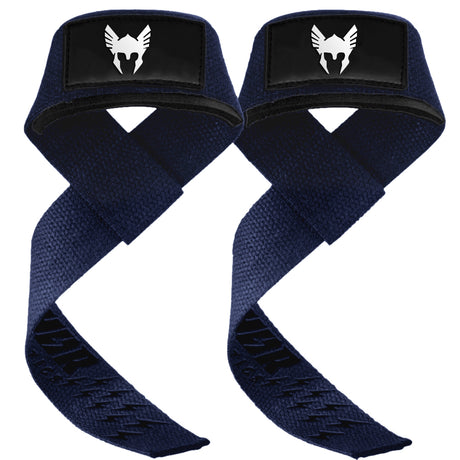
Besides material, the shape also varies. Lasso straps are the versatile all-rounder and the right choice for most lifters. Figure 8 straps provide a firm grip for maximum, static pulls. Olympic straps are short and quick to release for weightlifting.
How much should a good lifting strap cost?
A reliable A strap doesn't cost a fortune. Expect roughly €15 to €25 for premium cotton or Leather. Cheap straps costing a few euros seem attractive but stretch out and fray, you replace them faster than you think. Calculate the price per training: a strap that lasts for years costs you cents per session. That’s where the real value, not the lowest price.
How long do lifting straps last?
With good material and proper maintenance, straps last for years. Wash cotton by hand, avoid the washing machine and let them air dry. Keep leather straps dry and wipe them clean. Most straps don’t wear out from use, but from poor stitching or by leaving them wet in your bag.
Which lifting strap suits you?
Based on based on those criteria, this is how the Thor range compares:
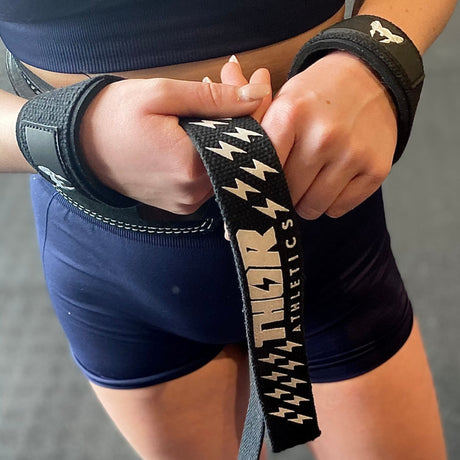
- For most lifters: the regular Lifting Straps made of premium cotton with neoprene wrist lining. Comfortable, reliable, and the logical starting point.
- For the heaviest pulls and sweaty hands: the Extra Grip Lifting Straps with rubber coating for maximum grip.
- For those who want premium and durable: the leather Lifting Straps, stretch less and last a long time.
- For thin wrists or small hands: the XS variant for a snug fit.
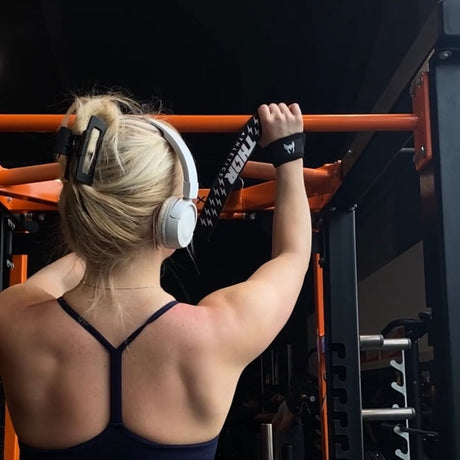
Not sure how to use them yet? Then watch this instructional video.

Frequently asked questions about the best lifting straps
What are the best lifting straps for deadlifts?
For heavy for deadlifts you want maximum grip. A sturdy cotton lasso strap suffices for most lifters; if you lift near your max or have sweaty hands, then a rubber coating for extra grip.
Cotton or leather: which is better?
Cotton is more comfortable and ready to use immediately. Leather stretches less and lasts longer but needs some breaking in. If you train often and heavy, leather is a nice premium choice; for most lifters cotton is perfect.
Are expensive lifting straps worth it?
Up to a certain height. Above a certain point you mainly pay for brand and appearance. Below at a certain point you compromise on material and stitching. Find the middle ground: premium material, double stitching, and neoprene lining.
What size lifting straps do I need?
Standard sizes fit most wrists. If you have thin wrists or small hands, choose a XS variant so the strap fits tight and doesn’t slip.
What are the best lifting straps for beginners?
One comfortable cotton lasso strap with neoprene lining. Versatile, forgiving and suitable for every pulling exercise where your grip falls short.
The best straps are the straps you trust for every heavy set. Choose based on material, grip, and fit, not color or discount.