
Two straps can look identical and still feel very different. The material determines how much grip you have, how comfortable it feels around your wrist, how long they last and how much maintenance they require. If you choose the wrong material for your training, then your straps stretch, slip, or wear out faster than needed.
Cotton, nylon and leather are the three materials you’ll encounter. In this guide, you’ll read per material that makes it strong and weak, how you maintain it, and which material fits your lifts.
Does the material of lifting straps matter?
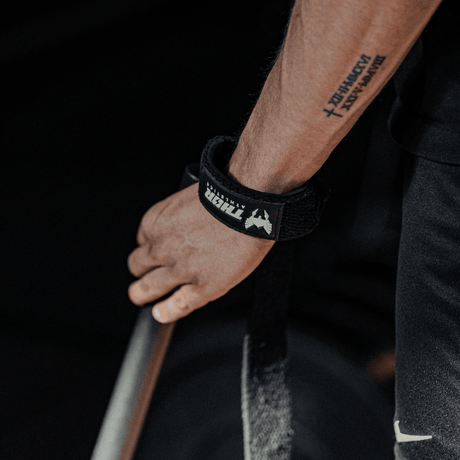
A lifting strap must do one thing reliably: connect the weight to your wrist so you grip won’t hold. The material determines how well that works. Too smooth and the strap loosens around the bar. Too thin and it cuts into your wrist. Too stretchy and your loses tension on your heaviest sets. The right choice depends on how heavy you train and what you value: comfort, durability, or pure grip.
Cotton lifting straps
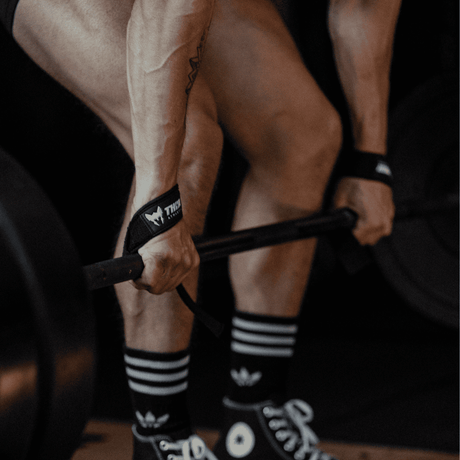
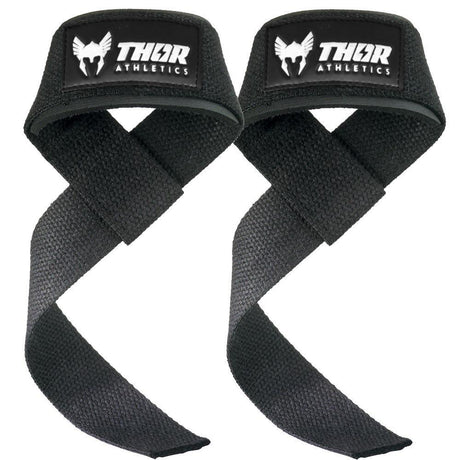
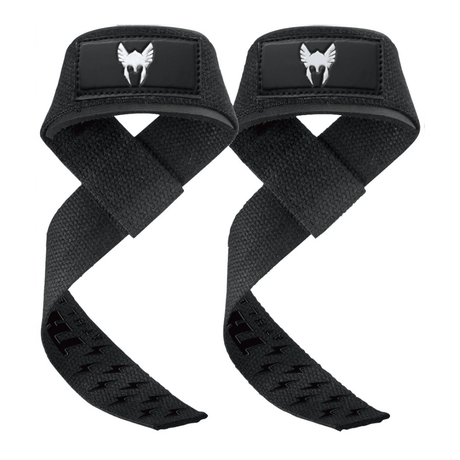
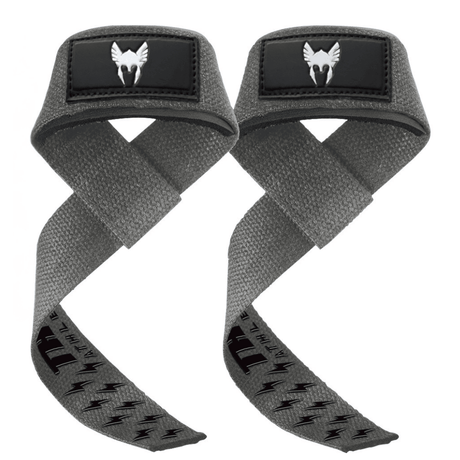
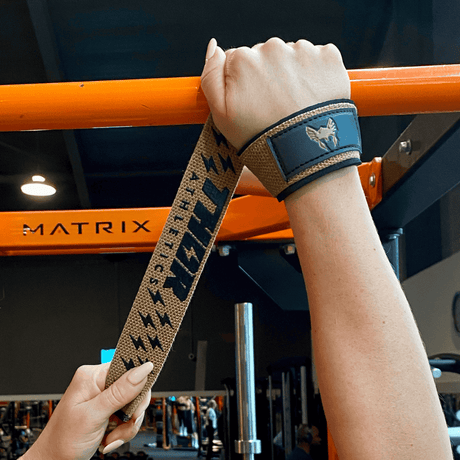
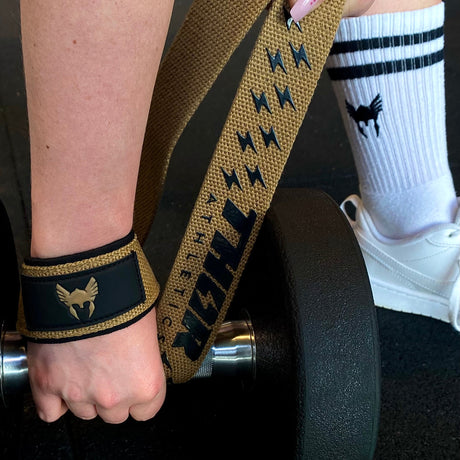
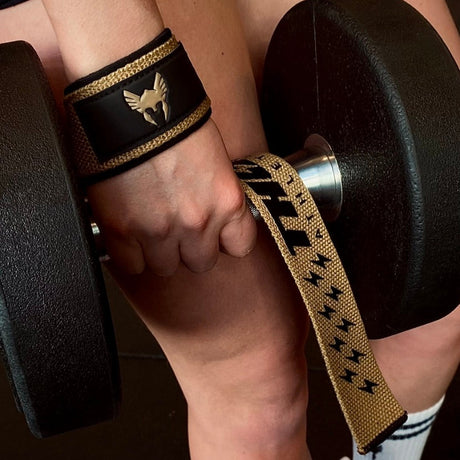
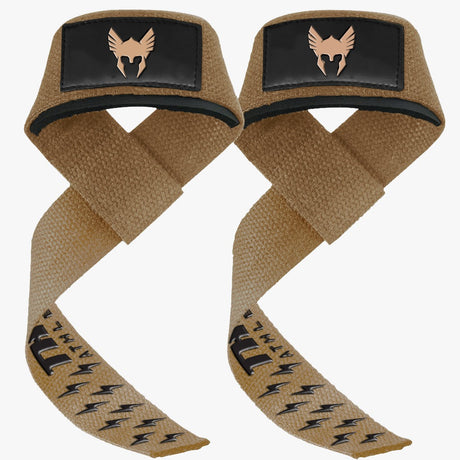
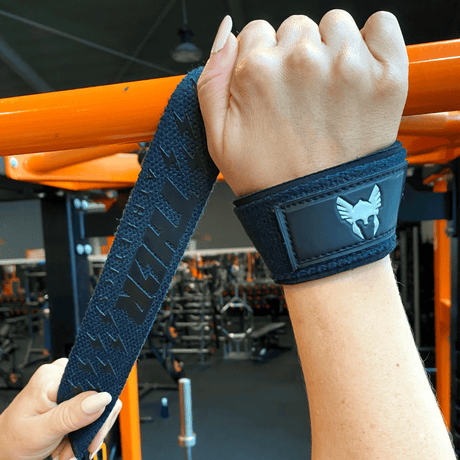
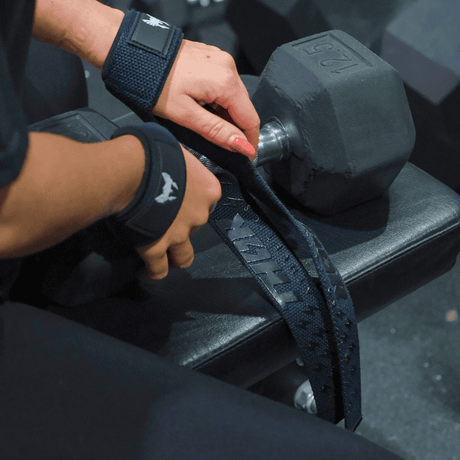
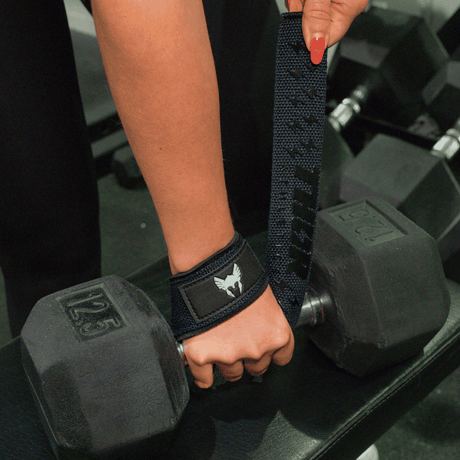
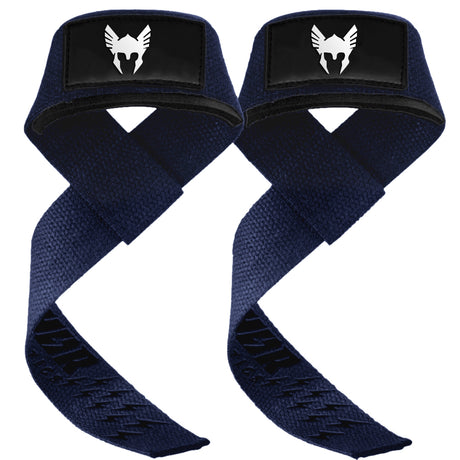
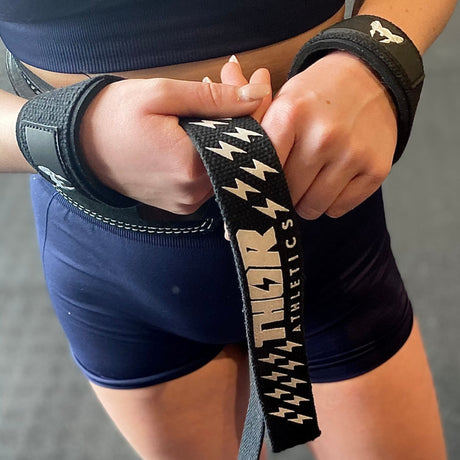
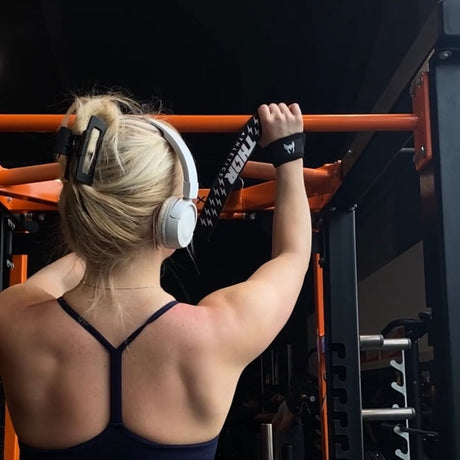
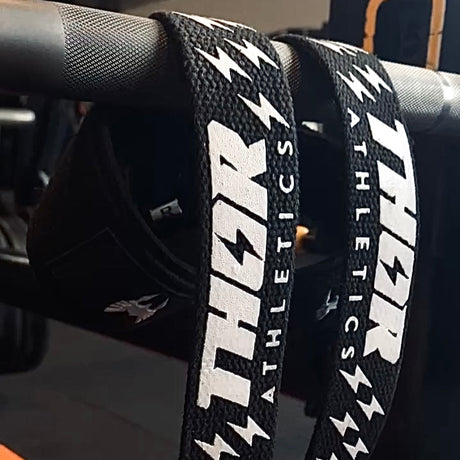
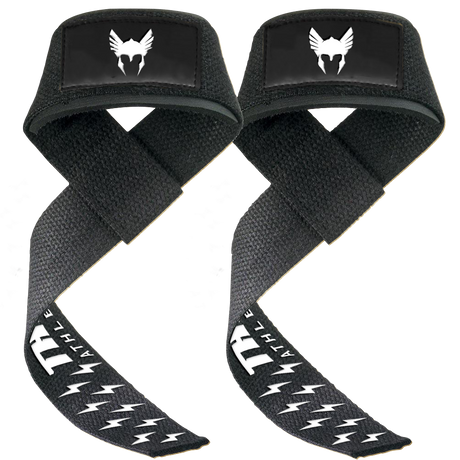
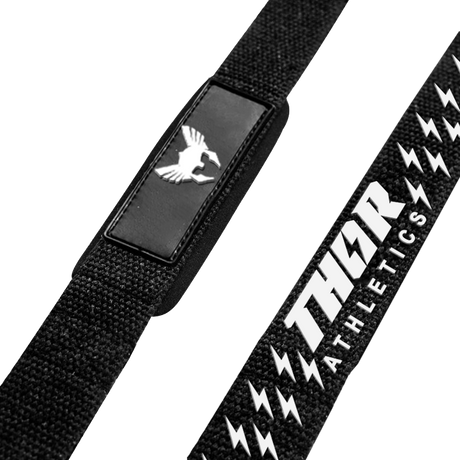
Cotton is the the most used material for lifting straps, and not without reason. It is soft, flexible, and comfortable around the wrist, even under heavy load. Cotton grips holds the bar well and is ready to use immediately, no break-in time needed.
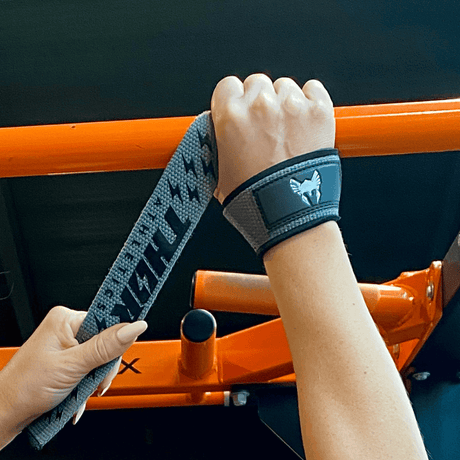
The downside: cotton stretches a bit more over time than leather and absorbs sweat, so it requires occasional washing. For most lifters, that is a small price for comfort. If you have a neoprene wrist lining, it distributes the pressure and a cotton strap also stays comfortable during your heaviest sets.
Nylon lifting straps
Nylon straps are stronger and more durable than cotton. They hardly stretch and are resistant to intensive use. That makes nylon attractive for those who train a lot and trains hard and wants a strap that keeps its shape for years.
The downside is in comfort: nylon is stiffer and can cut into your wrist during heavy sets if there is no lining around it. For pure grip and durability, it is strong, for comfort sacrifices a bit.
Leather lifting straps
Leather straps They hardly stretch and last for years. They have a premium look and a firm, secure grip on the bar once they are broken in. For those who value quality and durability are important, leather is the top choice.
Be sure to consider a break-in period: at first, leather feels stiffer and is harder to wrap tightly around the bar. After a few weeks, the material tightens and fits like a glove. Keep leather straps dry and wipe them clean, then they will last the last the longest.
Cotton, nylon, or leather lifting straps
| Material | Comfort | Durability | Maintenance |
| Cotton | High | Good | Hand wash, air dry |
| Nylon | Average | Very high | Low maintenance |
| Leather | High (after break-in) | Very high | Keep dry, wipe clean |

The coating of lifting straps
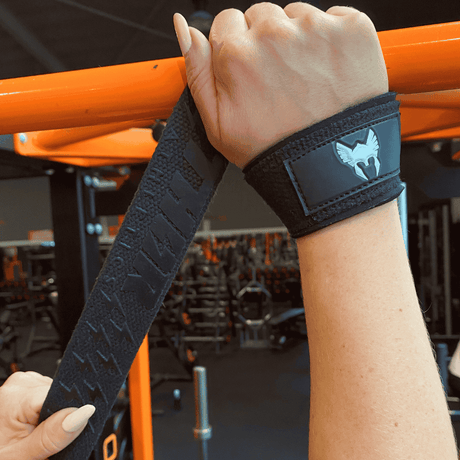
Besides the base material you see straps with a rubber coating, often called “extra grip.” That coating is separate from cotton or leather and adds extra friction on the bar. If you lift near your maximum or suffer from sweaty hands, then that noticeably improves your grip. For general pulling work, a good cotton or leather strap without coating is fine.
Which lifting strap material suits you?
- Do you want comfort and versatility? Choose cotton, the right choice for most lifters
- Do you train very intensively and want maximum wear resistance? Then nylon or leather is more logical.
- Do you want a premium strap that lasts for years and stretches little? Choose leather and allow some break-in time.
- Do you suffer from sweaty hands or lift heavy? Choose a variant with rubber coating, regardless of the base material.
Color, appearance, and budget
Besides function appearance and price also play a role. Color is personal, choose what suits you, but don’t let it be your main choice. The fit and material determine how your strap performs, not the color. For leather, however: a tight, dark finish looks premium and suits serious gear.
In terms of budget, cotton the affordable all-rounder, leather a small premium step above and a rubber coating usually costs a few euros extra. The biggest pitfall lies in the bottom: the cheapest no-name straps costing a few euros stretch out and fray, causing you to buy again sooner. Calculate the price per training and a premium strap is almost always more cost-effective in the long run.
In the Thor Athletics' range means: the regular Lifting Straps made of premium cotton with neoprene lining for most lifters, the leather Lifting Straps for those who want premium and durable, and the Extra Grip variant with rubber coating for maximal grip.
Frequently asked questions
Which material lifting straps have the most grip?
A strap with rubber coating provides the most immediate grip on the bar. Of the bare materials leather grips the firmest after breaking in, followed by cotton and then nylon.
Are leather lifting straps better than cotton?
Not better, just different. Leather lasts longer and stretches less but needs to be broken in. Cotton is more comfortable and ready to use immediately. For most lifters, cotton is perfect; leather is the premium choice.
Do cotton lifting straps stretch?
A little, with over time. That is normal and rarely a problem. Wash them by hand and let them air dry, then they keep their shape the longest. If you want minimal stretch, choose leather or nylon.
Which material is best for beginners?
Cotton with a neoprene wrist lining. Comfortable, forgiving, and ready to use immediately without break-in period.
How do you wash cotton lifting straps?
By hand in cold water, then air dry. Avoid the washing machine and dryer, which accelerate wear and can deform the material.
Are you unsure instead of types in materials, read types of lifting straps, or see how to choose the best lifting straps. Choose the material that suits your training, and your straps will do what they need to do for years.