
We have already talked about powerlifting and what it actually is (you can read it here), but in this blog, we will go deeper into the pros and cons of powerlifting so you have a clear picture of whether powerlifting is right for you.
We will discuss the following topics:
Advantages:
- Building Maximal Strength
- Mental Performance and Confidence
- Community
- Building Functional Strength
- Strengthening Bones and Joints
Disadvantages:
- Higher Risk of Injuries
- Time and Commitment
- Specific Equipment (costs)
- Competition Pressure and Performance Focus
Powerlifting is a popular form of strength sport focused on lifting maximal weights (for 1 repetition) in three specific exercises: the squat, bench press, and deadlift.
It’s a challenging and intense sport that requires both physical strength and mental determination. In this blog, we will explore the pros and cons of powerlifting so you get a good understanding of what this sport has to offer and whether it might be for you.
You’re probably already thinking about starting powerlifting and smashing maximal weights through the roof with the desire to set fierce PRs, so LET’S GO!

Benefits of Powerlifting:
- Building Maximal Strength:
Powerlifting is an excellent way to build maximal strength. By training regularly and focusing on the three main lifts (of course also accessory exercises like Romanian Deadlift, Leg Press, Hack Squats, Close Grip Bench Press, etc.), you develop strength throughout your entire body! These compound exercises activate multiple muscle groups simultaneously, making you stronger all over. (For the blog about the most important accessory exercises to get stronger in the SBD, click here)
Strong muscles are not only functional in daily life but can also prevent injuries and improve your overall physical performance. WHO DOESN’T WANT THAT?! Exactly.
- Mental Performance and Confidence:
Powerlifting requires strong mental focus and perseverance. Setting goals, overcoming challenges, and seeing progress in strength and performance can boost your confidence.
Why?
For the ‘powerlifters’ among us or people who regularly do a 1RM (one rep max) or something close to it, you know the feeling when you think;
Hmm, either this weight completely crushes me or I smash that thing through the roof. It’s 50

- Community:
The powerlifting community is generally very close-knit and supportive; you can definitely expect support from others both on social media when filming and sharing your ‘powerlifting journey’ and also in the gym.
Powerlifters seek each other out and shout each other on to new PRs. During training and competitions, you can count on encouragement and advice from fellow powerlifters and anyone who comes to watch a meet.
It’s not a ‘solo’ sport but really a family that cheers each other on to new PRs! Having a community can motivate you to reach your goals and can also lead to new friendships. You can share experiences and knowledge and inspire each other to grow and improve.
- Building Functional Strength:
Besides building total body strength, powerlifting also benefits functional strength. The movements you train in powerlifting, like squats and deadlifts, mimic functional movements you encounter in daily life, such as lifting, bending, and standing up.
By strengthening these functional movements, you can improve your overall physical performance and make daily activities easier.
And let’s be honest, it’s just badass when you lift that heavy washing machine out of neighbor Anja’s bathroom without needing three construction workers.
- Strengthening Bones and Joints:
Lifting heavy weights during powerlifting can contribute to strengthening bones and joints. When lifting heavy loads, bones and joints are stimulated to adapt and become stronger.
This can be especially beneficial for older adults, as it can help maintain bone density and reduce the risk of osteoporosis and osteoarthritis.
Sounds like a super nice advantage, right? So call your mom today to smash a tough SBD session together, and tag us if you do. We think that’s awesome!
(Potential) Disadvantages of powerlifting:
- Higher risk of injuries:
Lifting heavy weights obviously carries a risk of injury, let's be honest. A 15RM dumbbell press is generally less injury-prone than a 1RM bench press.
Powerlifting demands a lot from your joints, tendons, and muscles, and improper technique or overloading can lead to injuries. It is vital to learn the correct form and technique and to manage weight progression wisely to minimize the risk of injury.
It is also important to get enough rest and recovery time to allow your body to heal from the intense training. For the correct form and technique, you can always film your sets and possibly share them on social media or send them to your coach for feedback.
2. Time and Dedication:
Powerlifting requires a significant amount of time and dedication to achieve results.
Speaking from experience, when I was preparing for a powerlifting competition, my training sessions sometimes lasted 2 to 2.5 hours.
Of course, it’s great if you have the time and energy for it, but it’s definitely something to consider. Doing 3x10 on your lat pulldown takes 10 minutes, but 3x3 squats can take you a solid 30 minutes, for example (including warm-up).
It is also important to carefully plan your nutrition and recovery to optimize your performance. I assume that if you are reading this, you are already working on that, but in powerlifting, this is sometimes even more important than if you train ‘recreationally.’ It takes discipline and consistency to maintain your training routine and keep pursuing your goals.

3. Specific Equipment:
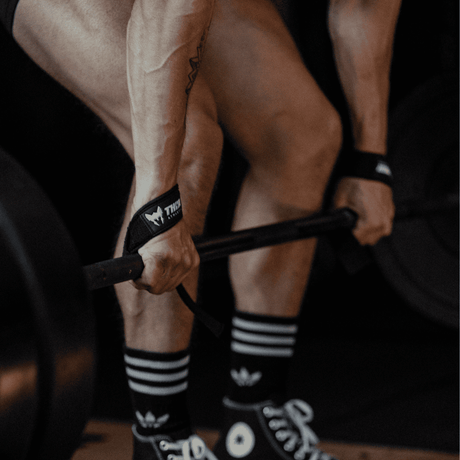
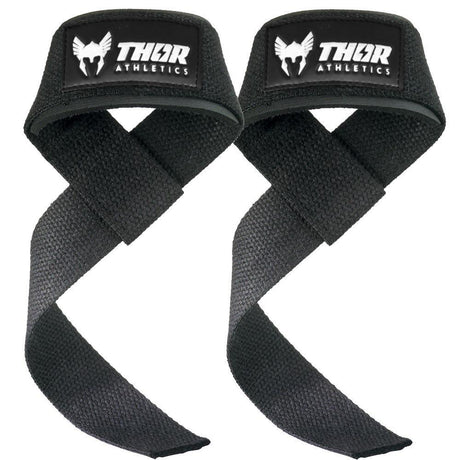
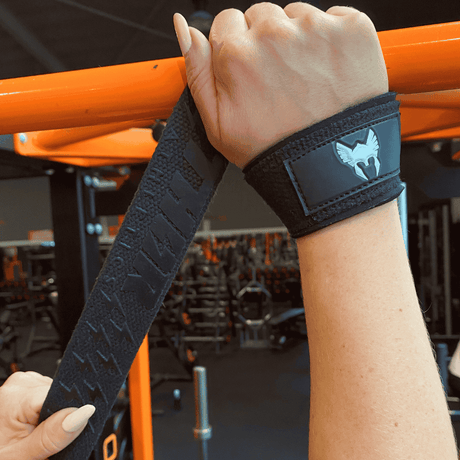
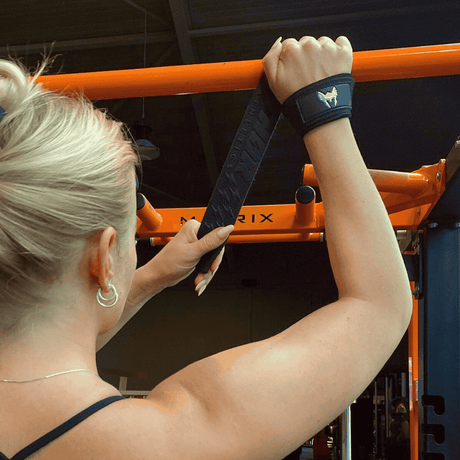
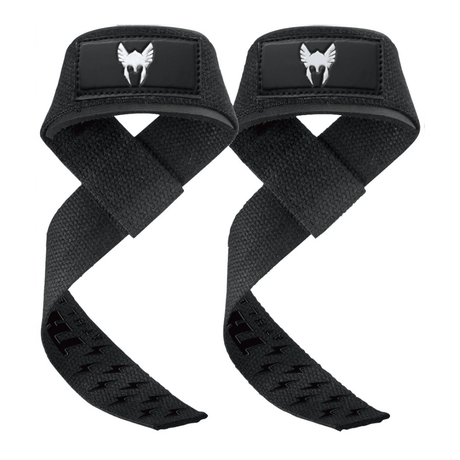
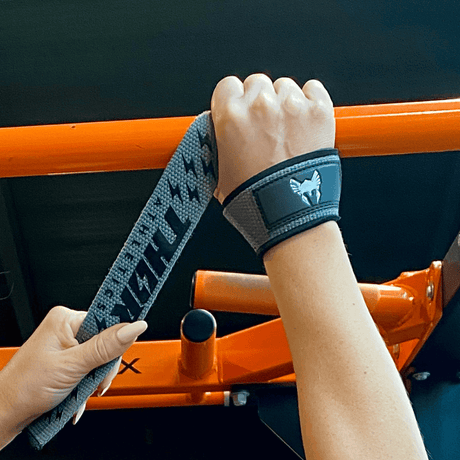
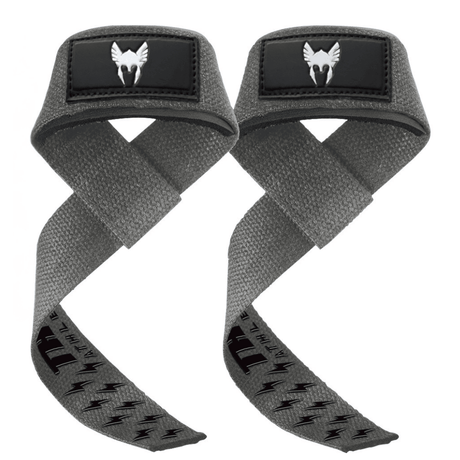
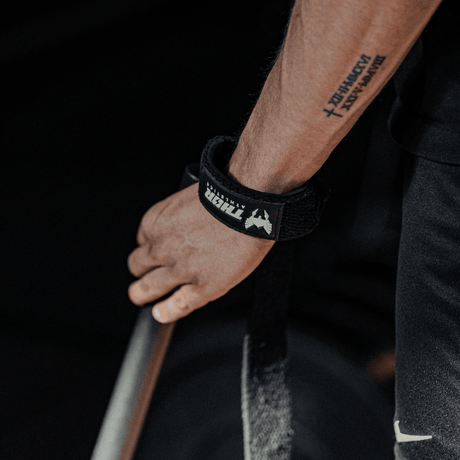
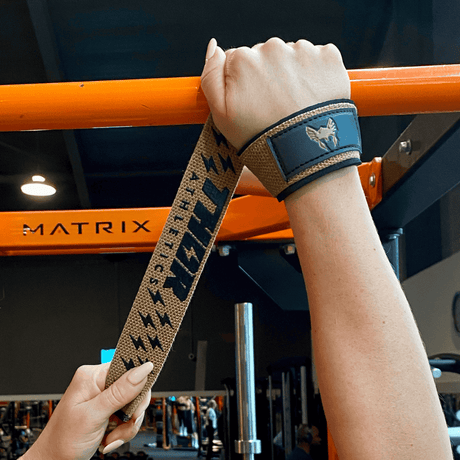
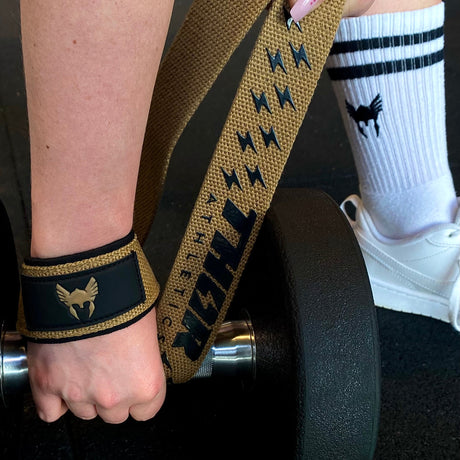
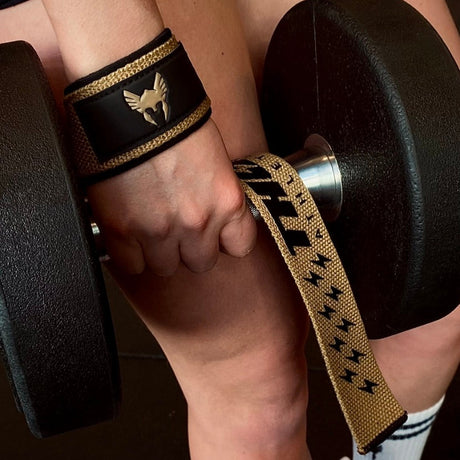
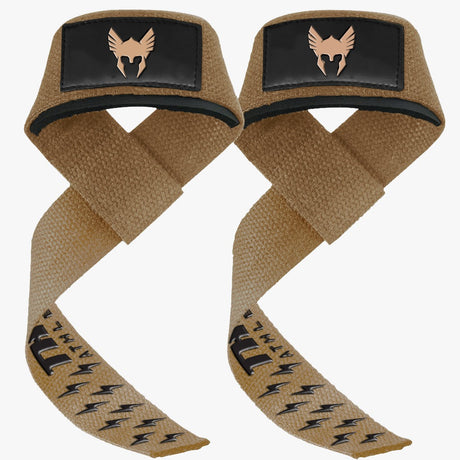
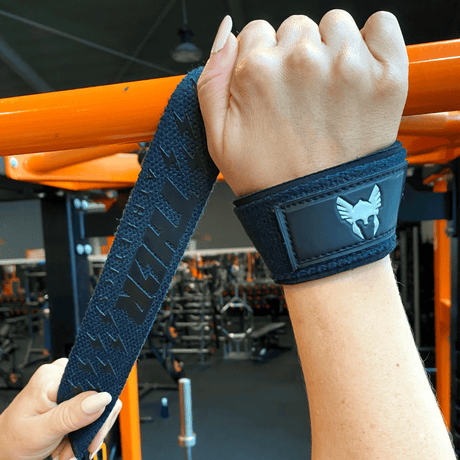
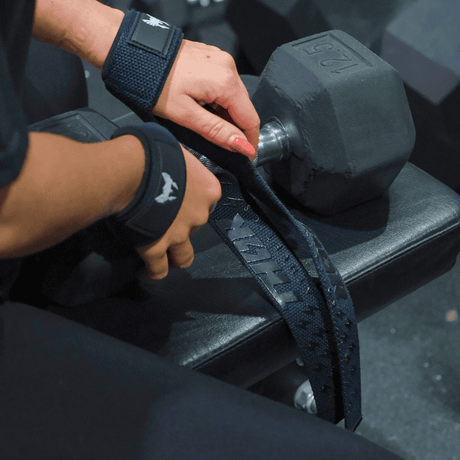
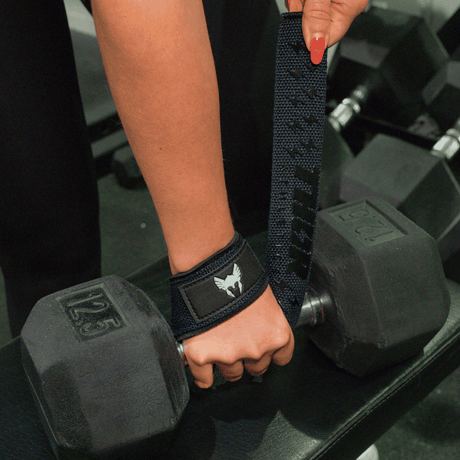
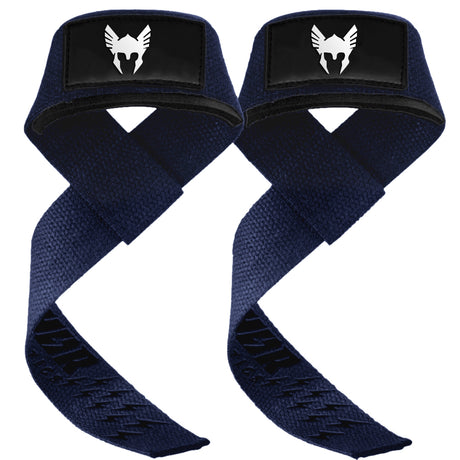
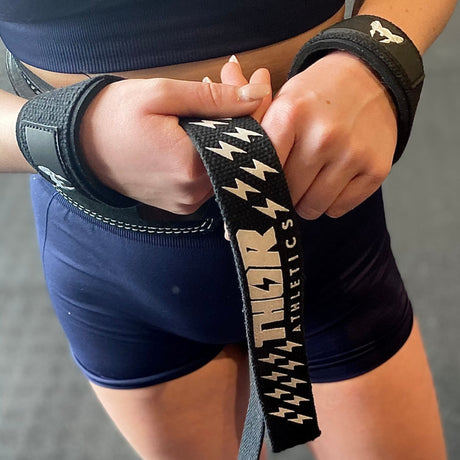
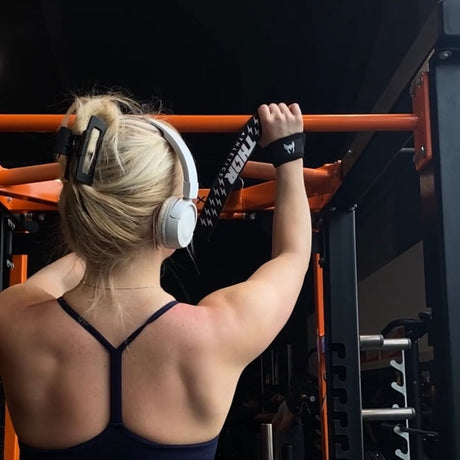
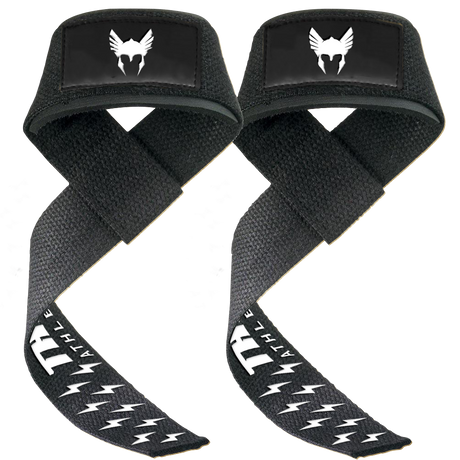
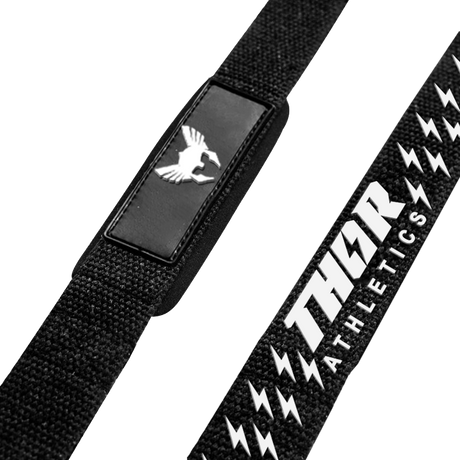
In powerlifting, specific equipment is often used, such as lifting straps, wrist wraps, powerlifting belts, and knee sleeves.
These accessories can help improve performance and provide support when lifting heavy weights.
Of course, these accessories are not ‘necessary’ in the sense that they are essential, but they will definitely help you.
This can of course be a cost factor and is something you need to take into account. We at Thor Athletics are known for our high quality and excellent value for money.


4. Competition pressure and performance orientation:
While some people thrive in a competitive environment and enjoy working in it, the pressure of participating in powerlifting competitions can be stressful for others. Often, the only way to find out how it works for you is to try it once.
The pursuit of increasingly higher weights and better performance can lead to performance orientation and stress. (Of course, this is very personal; only you know yourself best).
It is important to find a healthy balance between competition and enjoyment in the sport. Setting realistic goals and enjoying the process of improvement are essential to sustaining the sport in the long term.
Fun is sometimes forgotten in some sports, including powerlifting, but this is a hugely important aspect if you ask me. I always say; Fitness

Conclusion:
Powerlifting offers benefits such as building maximum strength, increasing mental confidence and self-esteem, and finding support in both online and offline communities where you can also form close friendships. However, it is important to be aware of possible downsides, such as the risk of injury, time investment, specific equipment, and competition pressure.
With the right approach, guidance, and precautions, the benefits of powerlifting can be maximized while minimizing the drawbacks.
Using high-quality accessories like those from Thor Athletics, such as lifting straps, wrist wraps, powerlift belts, and knee sleeves, can contribute to safer and more effective training.
Powerlifting is a challenging but rewarding sport for many.
Hope you learned something and enjoyed reading this blog; I look forward to speaking with you another time!
Best regards,
Martijn