
Strength training is a form of training where you load your muscles with resistance so they become stronger become stronger, perform better, and be better able to handle daily life. That resistance can come from barbells, dumbbells, cables, machines, bands, or simply your own body weight. The goal is simple: to stimulate your body to adapt to adapt. This allows you to build muscle strength, increase muscle mass, your bones and tendons in a useful way and often also your posture, coordination and load capacity improve. Strength training is therefore not only for bodybuilders or powerlifters, but actually for almost everyone. The big health guidelines even advise adults to do at least that alongside cardio doing muscle-strengthening activities twice a week.
Many people think of strength training immediately means “lifting as heavy as possible,” but that is too simplistic off track. Strength training is not just about brute strength. It’s about targeted resistance to muscles, so your body has a reason to get stronger to become. That can be with heavy sets of 5 repetitions, but also with sets of 8 up to 15 repetitions, slow controlled exercises, or even lighter training close to muscle failure. If there is enough stimulus and you build up smartly, strength training can be effective for both beginners and advanced.
What strength training additionally what makes it interesting is that it works much more broadly than just “bigger muscles.” Research shows that resistance training is associated with improvements in muscle strength, lean mass, physical function, bone health, and glucose regulation. In older adults, it also helps slow down muscle loss over the years and to be able to perform daily tasks independently for longer. That makes strength training is not only a sport choice but also simply a smart investment in your long-term health.
What does strength training do to your body?
Strength training activates your body works on multiple levels simultaneously. Most obvious the underlying effect is, of course, that your muscles become stronger. That happens because your nervous system learns to work better with your muscles and because muscle fibers adapt over time to the load. Especially in the in the first weeks you often see rapid strength gains, while muscle growth is not yet once it is fully underway.
Your body simply learns said to deliver strength more efficiently. Then structural adaptations also occur, such as more muscle mass, contribute increasingly.
In addition, strength training affects your body composition. Many people start with it because they want to become tighter, look more muscular, or lose fat without becoming “lean.” That makes sense. More muscle mass does not automatically it doesn't mean you get huge, but that your body is better able to generate strength lose weight and that you can often build a more athletic look. Especially during strength training helps preserve muscle mass better than when you not just eat less and do little else. This is important because most people want not only to lose weight but also to look better and stay more functional.
Strength training also helps do something with your bones. Bone tissue responds to load. When you regularly when you do resistance training, your skeleton receives a signal to adapt to that load. This is especially relevant as you get older, but also for younger people, it is a strong reason not to do only cardio especially in postmenopausal women and older adults, research shows studies show that well-structured strength training can help maintain bone mineral density maintain or improve, although the effect partly depends on training duration, depends on intensity and the chosen exercises.
Your metabolism too benefits. Muscles are a large “metabolic organ.” During and after strength training changes how your body handles glucose and insulin. Meta-analyses show that resistance training can improve insulin sensitivity words, it improves even in older adults. This makes strength training interesting for general metabolic health, not just for sports performance. In other in other words: the effect is not only visible in the mirror but also under the hood.
Furthermore, strength training has strength training affects your tendons, joints, and physical function. That means not that every ache automatically disappears, but that a stronger body often becomes better tolerated. Think of climbing stairs, heavy grocery bags lifting, getting up from a chair, running after children, or simply staying fit longer remain independent. This is especially clear in older adults: strength training supports muscle function and can contribute to better balance, walking ability, and independence.
Mentally, it can strength training also does a lot. Many athletes notice they become more confident to feeling better, being in a better mood, and clearing your mind. That is not only anecdotal. In the literature, resistance training is also linked include fewer depressive symptoms, better sleep, and improved quality of life. That doesn't mean strength training is a miracle cure, but the gains often go beyond just becoming physically stronger.

What are the benefits of strength training?
The benefits of the benefits of strength training are much greater than most people think. Of course: Getting stronger is a benefit in itself. But it doesn't stop there. Below I explain the main benefits, without the usual fitness nonsense.
1) You really become stronger in everyday life
This sounds simple, but it may be the most underestimated gain. A stronger body makes makes everyday things easier: lifting, carrying, pushing, pulling, climbing stairs, getting out of getting up from the ground and staying active for a long time. Especially for people who are aging is worth its weight in gold. Loss of strength over the years is not a myth but a well-known process. That’s exactly why resistance training is so valuable.
2) You build or maintain muscle mass
Muscle mass is not only not just an aesthetic thing. It helps with strength, function, and load capacity. During a calorie deficit, strength training is also important because it helps preserve muscle mass hold on better. Those who only focus on eating less and more cardio risk more quickly the risk of losing muscle mass as well.
3) Your bones get a useful stimulus
Especially women after menopause and older adults benefit greatly from this. Bones respond to mechanical load, and strength training is a powerful form of that. It effect varies per person and program, but the general trend in the literature is clear: strength training can help slow down bone loss and support bone health.
4) Your metabolic health can improve
Strength training is not not only good for “gains” but also for how your body handles energy. Research shows improvements in insulin sensitivity and glucose regulation, which is relevant for broad health and becomes extra important at older age.
5) You can function physically better through strength training
You see that in athletes, but just as much for ordinary people. You often move more stably, more controlled and stronger. For older adults, this is hugely important because physical function is linked to independence and quality of life.
6) It supports healthy aging
muscle loss, less loss of strength and less stability are not just “normal” with aging in the it makes no sense to think you can’t do anything about it. Exercise, and specifically strength training, is a one of the best tools we have to slow down that process. That’s why they advise guidelines for older adults include not only general movement but also muscle-strengthening and often multicomponent training.
7) You don’t have to be a top athlete to notice results
This is perhaps one of the nicest benefits. You don’t have to spend six days a week in the gym to to benefit. The major health guidelines start at a minimum of two days a week of muscle-strengthening training. More can be useful, but "something" is much better than nothing.
8) Strength training can make you mentally stronger
More energy, more self-confidence, a better feeling about your body, better sleep, less stress in your head: many people notice that strength training releases this. The scientific literature supports that this is more than just a fitness feeling.
9) It is endlessly scalable
You can start at home with bodyweight and bands, train in a basic gym, or completely go wild with barbells and machines. Beginners can start with two sessions per week. Advanced practitioners can train much more specifically for strength, muscle growth, power or performance. Precisely because strength training is so scalable, it is suitable for almost everyone.
10) It often provides motivation faster than people think
With cardio, it can sometimes can take a long time before you really notice something. With strength training, you often feel progress: an exercise improves, your posture improves, you lift more, you arms or legs feel firmer. That measurable progress is for many people addictive in a good way.
In summary: the benefits of strength training lie in health, appearance, function, aging, self-confidence and daily load capacity. It is one of the few things that is simultaneously useful for your body now AND for your body in ten or twenty year.

Why is strength training good for you?
Strength training is good for you because it makes your body stronger, more functional, and often healthier. Because it helps against the physical disadvantages of a sedentary lifestyle, it is scalable, works for young and old, and is one of the most underrated habits you can develop.
Our body is built to to be challenged. Not broken, but challenged. Muscles, tendons, and bones do not stay at level by themselves if you don’t use them. In a modern lifestyle with lots of sitting, little lifting, and few physical stimuli, misses your body exactly that signal. Strength training gives that signal. It tells as it were: “this tissue is needed, keep it strong.”
And that is precisely why strength training is good for you. It counteracts the passivity of the modern life in.
In addition, strength training is relatively efficient. You don’t have to spend hours every day are. With a few good sessions per week, you can already make a clear difference. That is practical, feasible, and therefore sustainable. And that last part is perhaps even more important than the perfect schedule. The best form of training is ultimately not the one that seems ideal on paper, but the one you can maintain for months and years keep doing. The guidelines from WHO, CDC, and other health organizations recommend muscle-strengthening training consciously alongside cardio, not beneath it.
Strength training is also good for you because it works preventively. Not in the sense of “you then get never complaints,” because it’s not that simple. But because a stronger body generally have more reserve. More muscle strength and better physical function provide you literally get more margin. That can help with aging, recovery from loads and performing daily tasks. Especially for older adults, that reserve is extremely important. Less strength often means more difficulty with ordinary actions.
Also psychologically, strength training often feels powerful. There is something powerful in the idea that you can improve by consistently building something up. You see progress, feel progress and get proof that your body can adapt. For many people, that is motivating and even calming. You are not just burning calories, burning; you are building something.
Another reason why strength training is good for you: it helps counter persistent misconceptions about movement. Many people still think health mainly comes down to “more walking and eating less.” Those are good basics, but they miss a big part of the story. Health also involves muscle mass, muscle strength, function, bones and metabolic health. And strength training excels precisely in that.
What are good strength training accessories?
Good strength training accessories are accessories that support your training, not replace it. That difference is important. The foundation of strength training always remains: a good training pattern, consistent training, sufficient recovery, and smart progression. Accessories so they are not a magic shortcut, but they can be very useful.
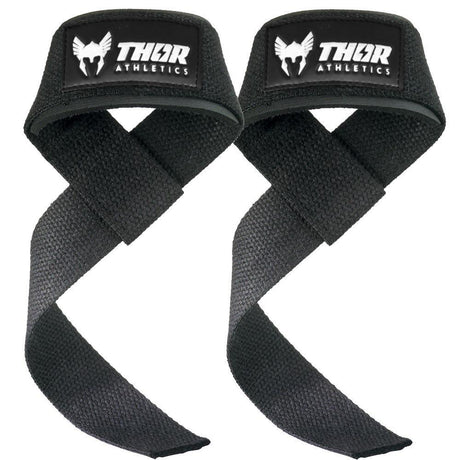
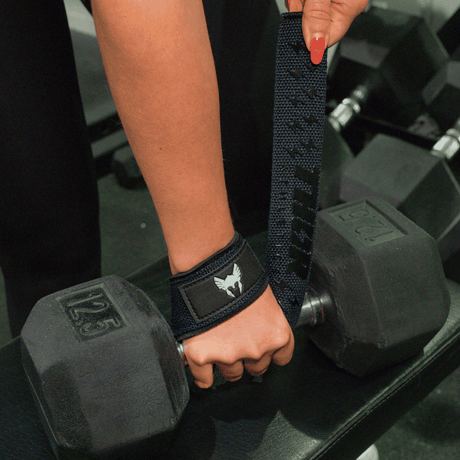
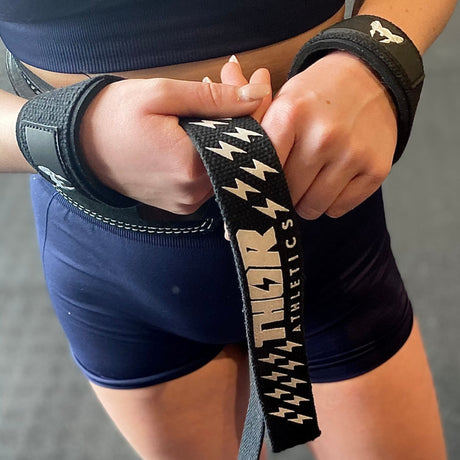
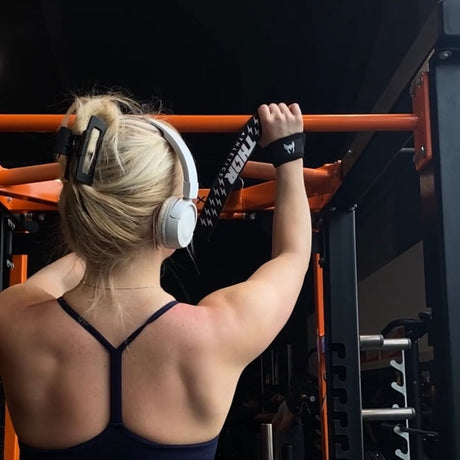
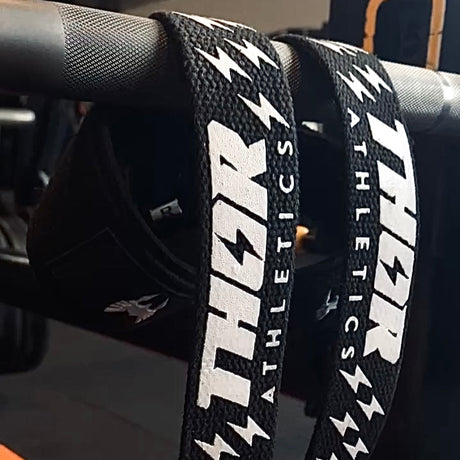
1) Lifting straps
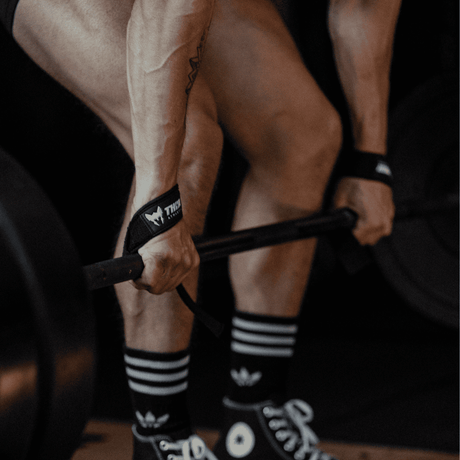
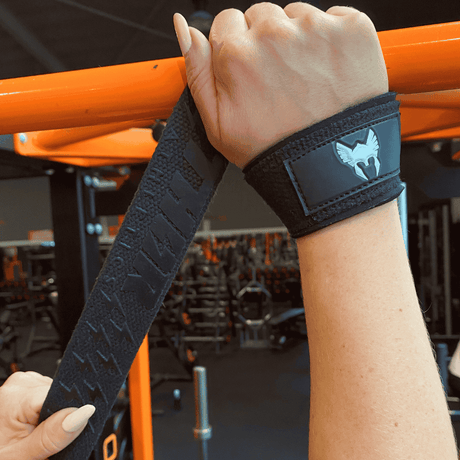
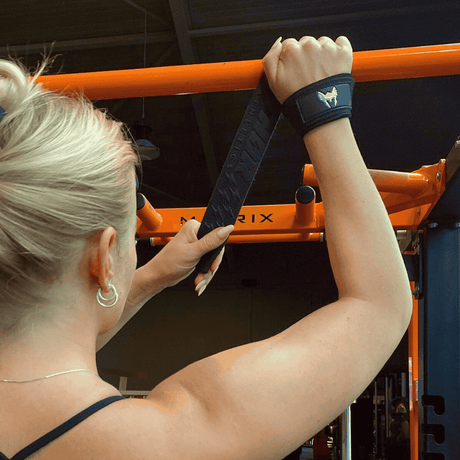
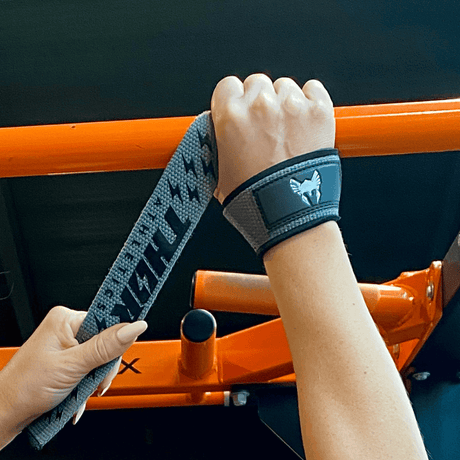
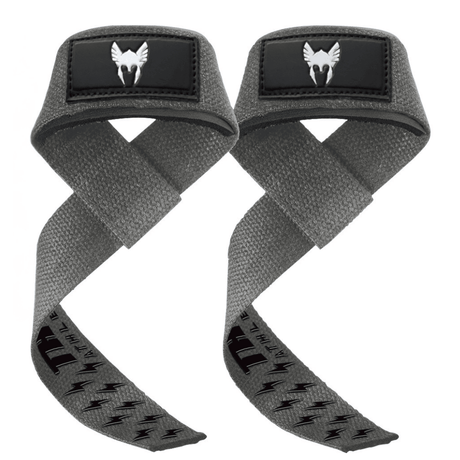
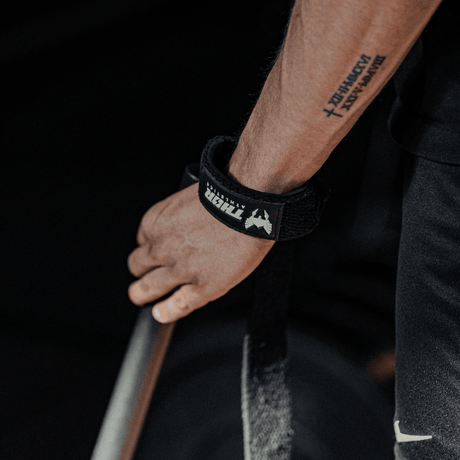
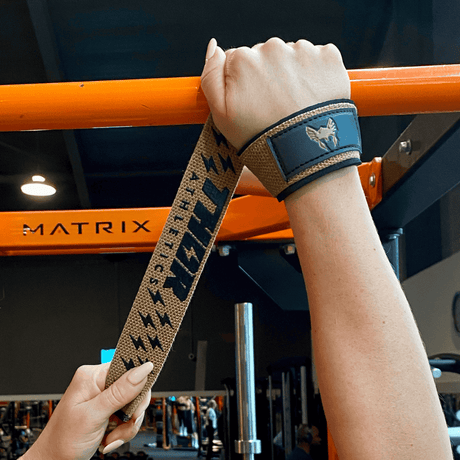
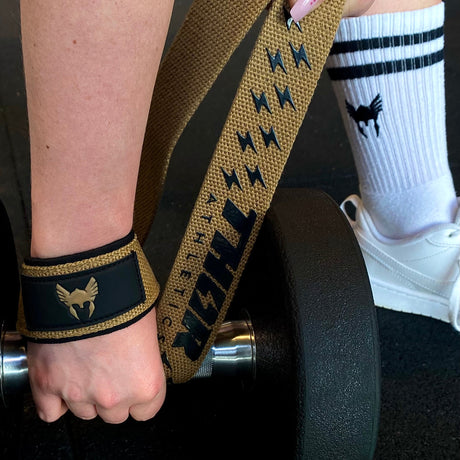
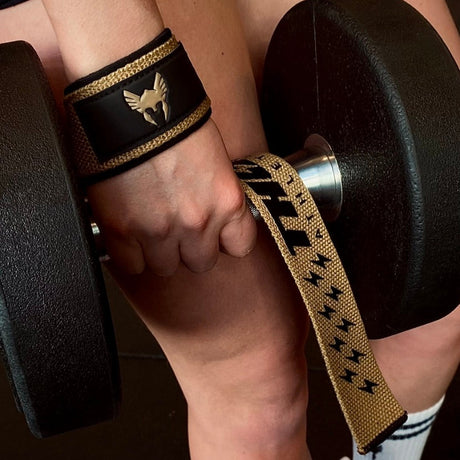
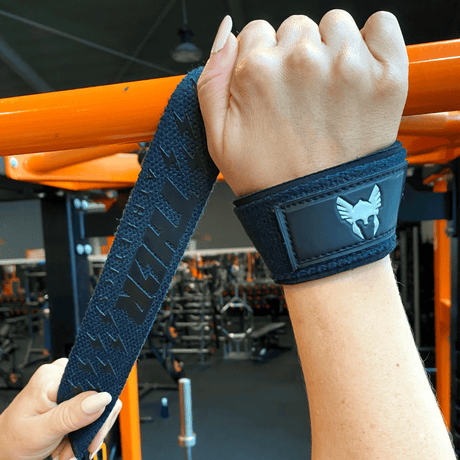
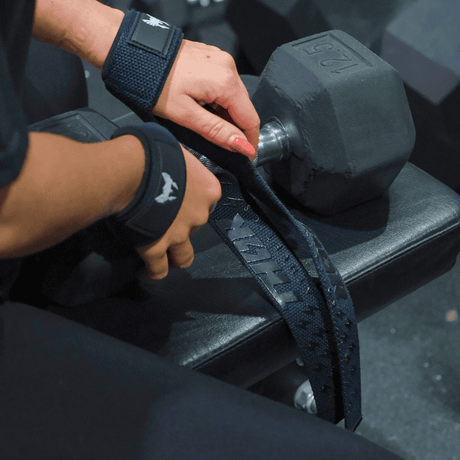
Lifting straps are ideal if your grip gives out before your back or hamstrings, for example during deadlifts, rows, or pulldowns. Especially with higher reps or heavy pulls, straps help you better target your muscle without your forearms fatiguing too quickly failures. They are especially practical for people who train their back seriously or do a lot of have pulls in their routine.
2) Lifting belt
A lifting belt can are useful for heavy compound lifts like squats, deadlifts, and sometimes overhead presses. A belt is not a substitute for a strong core or good technique, but can provide extra feedback and stability when training heavy. Especially advanced athletes or people who train strength seriously often include these be beneficial.
3) Wrist wraps
Wrist wraps can are comfortable for pressing exercises like bench press, incline press, shoulder for presses and dips, especially if your wrists are sensitive or heavily loaded. They do not automatically make your wrists bulletproof, but they can offer some extra support and provide support during heavy sets.
4) Knee sleeves
Knee sleeves are popular for squats, lunges, and leg presses. Many athletes find them comfortable for warmth, compression, and a “firmer” feeling around the knee. They don’t solve technique problems, but can be comfortable if you often lift heavy leg work.
5) Ankle straps
Ankle straps are handy for cable kickbacks, abductors, adductors, and various glute exercises. Not essential for everyone, but practical if you do cable work for legs and take glutes seriously.
6) Lifting grips or hooks
For people with grip issues or wrist strain, lifting grips can be interesting. Not everyone prefers them over straps, but for some athletes they work faster or more comfortable.
7) Good shoes
This is perhaps the most underrated accessory. For many exercises, you want to stand stable. Soft running shoes are often not ideal for heavy squats or deadlifts. Een platte stabiele zool werkt meestal beter. Voor sommige sporters zijn weightlifting shoes with a heel just nice for squats.
8) Bands
Bands are cheap, handy for warm-ups, activation, training at home, and extra resistance with certain exercises. Not sexy, but useful.
What are good strength training accessories? The accessories that fit your level and goal. A beginner often benefits more from good shoes and a simple progression than from a whole bag full of gear. Someone who deadlifts heavy and trains back a lot probably has more from straps. Someone who seriously pushes with presses might like wrist wraps find. And someone who really goes for heavy squats can benefit from sleeves or a belt.

What is strength training for men?
For men, strength training is often the first sport they think of when they want to be more muscular, want to become stronger or more athletic. Many men start with goals like more muscle mass, broader shoulders, stronger bench, bigger arms, or just looking better looking good in clothes. There's nothing wrong with that. Aesthetics are important to many people now once a great motivation.
But strength training for for men is more than just building muscle mass. Men also benefit from stronger bones, better metabolic health, better resilience, and healthier aging become. Especially if you sit a lot, have an office job, or do little physical work, it is strength training is an important counterbalance to that passive lifestyle.
Men have on average more absolute muscle mass and strength than women, especially from and after puberty. That only means that men are not “better suited” for strength training. It mainly means that their starting point is on average different. In practice, the same applies to men as to everyone: progressive training, learning technique, recovering sufficiently, and not ego-lifting foolishly.
What is strength training for women?
Strength training for for women is exactly as valuable as for men. Maybe even more underestimated. Many women want to get leaner, stronger, more shaped in legs and buttocks or just feel more confident in their body. Strength training is perfectly suited for that.
One of the most persistent one of the most persistent myths is that women get “too bulky” from strength training. In in practice, that really doesn’t just happen. Women definitely build muscle mass from strength training, and that is actually positive, but the adaptations occur within normal training is very different from the exaggerated image some people have in their main point. A systematic review showed that men and women can show similar adaptations in hypertrophy and lower body strength see, while women can even relatively strongly improve in upper body strength. So that is more an argument for strength training than against it.
For women, strength training is especially interesting for bone health. Especially after menopause increases the risk of bone loss, and research shows favorable effects of strength training and other loaded exercise forms are seen. Also physical function, stability, and independence later in life benefit of that.
What is strength training for older adults?
Strength training for older adults may be the most important category of all. As you as you get older, muscle mass, muscle strength, and physical reserve often decrease. That can have consequences for mobility, stability, walking speed, stair climbing, standing up from a chair and general independence. That’s why guidelines recommend for older adults, in addition to cardio, also muscle-strengthening training, often supplemented with balance and coordination training.
The great thing is: older adults can still respond strongly to strength training. Even at older ages, improvements in muscle strength and function are possible. Meta-analyses show clear gains in strength and physical performance. Additionally, strength training contributes to bone health and, as part of a broader movement programs, helping with factors related to fall risk.
Important for older adults is especially the buildup. Often you start with simple patterns: standing up and going sitting, stepping movements, light presses, rows, controlled knee and hip movements.
The focus is less on spectacle and more on safe, effective, and consistent training. But don’t let yourself be misled by the word “safe”: older adults don’t have to use only mini weights to work. They can also train progressively, as long as it is tailored to their level and load capacity.
Conclusion: what is strength training?
Strength training is training with resistance to make muscles stronger, build or maintain muscle mass, make your body more functional, and support your health.
It’s not just for fanatical gym rats. Not just for young men. Not just for people who want to get big. Strength training is relevant for almost everyone: men, women, older adults, beginners, athletes, and people who just want to be fit and strong through want to live life. It helps with muscle strength, muscle mass, bone health, metabolic health and daily load capacity. And precisely because you do it so well can be adjusted to level and goal, it is a form of training you can literally years can keep doing.
The biggest mistake many people make is that they see strength training as something extreme. As if you have to immediately you have to squat heavily, deadlift, and follow a complete program to “really” That’s not the case. Good strength training often starts simply: two up to three times a week, a few basic exercises, good technique, training calmly. build up and maintain. It really doesn’t have to be more than that at the start.
References
World Health Organization. (n.d.). Physical activity. https://www.who.int/news-room/fact-sheets/detail/physical-activity
World Health Organization. (2020). Guidelines on physical activity and sedentary behaviour . https://www.who.int/publications/i/item/9789240015128
U.S. Department of Health and Human Services. (n.d.). Physical activity guidelines for Americans . https://health.gov/our-work/nutrition-physical-activity/physical-activity-guidelines
Centers for Disease Control and Prevention. (n.d.). How much physical activity do adults need? https://www.cdc.gov/physicalactivity/basics/adults/index.htm
American College of Sports Medicine. (n.d.). Resistance training guidance . https://www.acsm.org/education-resources/trending-topics-resources/resource-library
Jiahao, X., et al. (2021). Effects of resistance training on insulin sensitivity in older adults: A meta-analysis . https://pubmed.ncbi.nlm.nih.gov/33401049/
Hong, A. R., & Kim, S. W. (2018). Effects of resistance exercise on bone health . https://pubmed.ncbi.nlm.nih.gov/29632683/
Massini, D. A., et al. (2022). Effects of resistance training on bone mineral density in older adults: A meta-analysis . https://pubmed.ncbi.nlm.nih.gov/35041792/
Mohebbi, H., et al. (2023). Exercise and bone mineral density in postmenopausal women: A systematic review . https://pubmed.ncbi.nlm.nih.gov/36603858/
Peterson, M. D., Rhea, M. R., Sen, A., & Gordon, P. M. (2010). Resistance exercise for muscular strength in older adults: A meta-analysis . https://pubmed.ncbi.nlm.nih.gov/20300012/
Claudino, J. G., et al. (2021). Strength training and fall prevention in older adults: A meta-analysis . https://pubmed.ncbi.nlm.nih.gov/33497867/
Roberts, B. M., et al. (2020). Sex differences in resistance training adaptations: A systematic review . https://pubmed.ncbi.nlm.nih.gov/32218064/