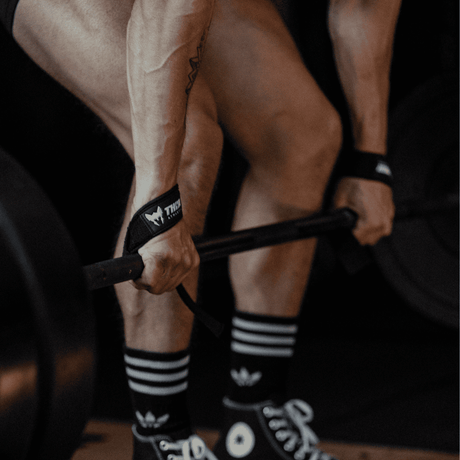

Your grip fails before your back. You’re standing under the bar for a heavy set of deadlifts or rows, the muscle can handle more, but your hands give out. That’s where lifting straps are made for: they take your grip out of the equation so you can keep pulling until the target muscle is done, not your forearms.
But straps only work if you put them on correctly. If you take them out of the package and hold them two separate bands in your hands, it can be tricky at first. In this guide you’ll read exactly how to put on lifting straps, which exercises to use them for (and which not) which exercises to use them for (and which not), the mistakes that actually work against your grip, and the answers to questions most lifters have.
What exactly do lifting straps do?
A lifting strap is a band that you wrap around your wrist and then around the barbell or dumbbell wraps. This way the weight is secured to your wrist instead of just your fingers. The result: less forearm fatigue, more reps, and more training volume on pulling movements. Your grip fails after your muscles, not before. (Jukic, 2020)
Important to honest: straps don’t make you stronger. They remove one limiting factor away, your grip, so the muscle you’re training does the real work. If you want to be build a stronger grip, then you can keep training without straps. More on that later more.
When to use lifting straps (and when not)?
Use straps when your grip becomes the limiting factor on heavy pulling exercises:
- Deadlifts and deadlift variations
- Barbell rows and dumbbell rows
- Romanian deadlifts: constant tension, your grip gives out quickly here
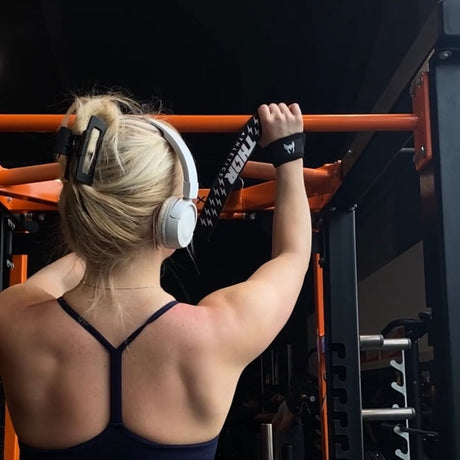
- Lat pulldowns and pull-ups with extra weight
- Shrugs and rack pulls
Do not use them for exercises where grip is the training goal, like farmer’s walks, and not for explosive lifts where you need to quickly release the bar, such as clean. For pressing movements (bench, overhead press) straps are useless, for that, look at the difference between wrist wraps and lifting straps.
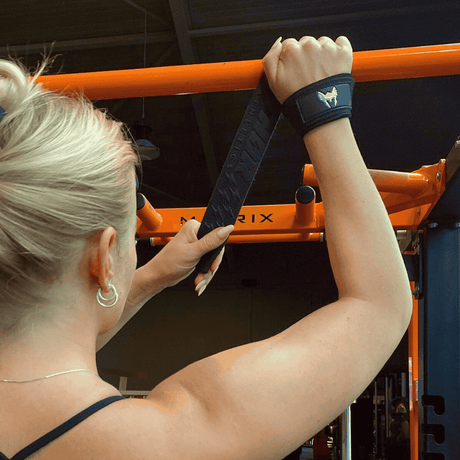
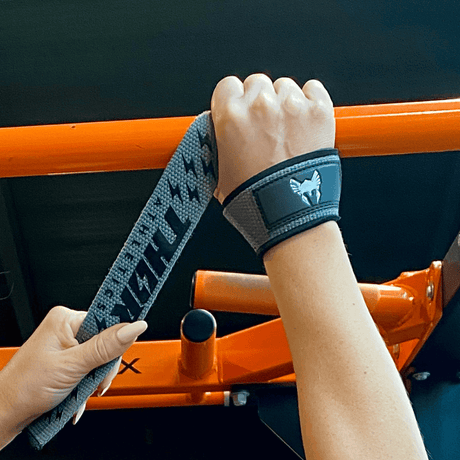
Putting on lifting straps in 5 steps
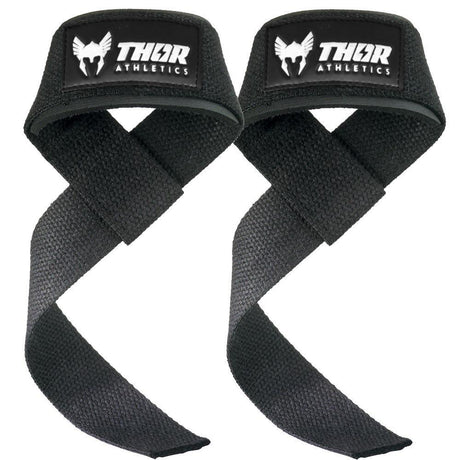
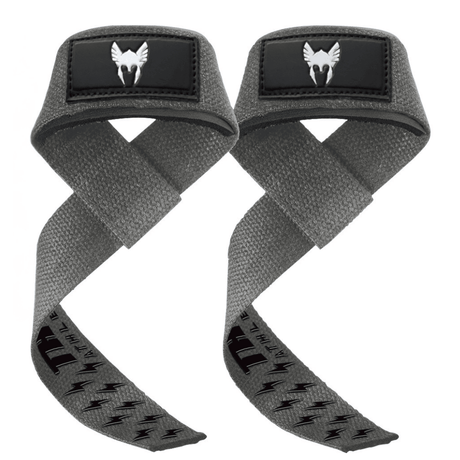
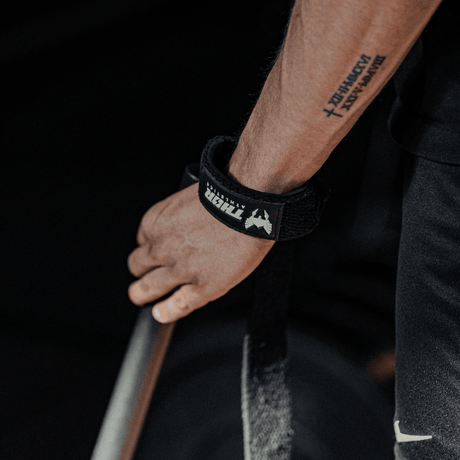
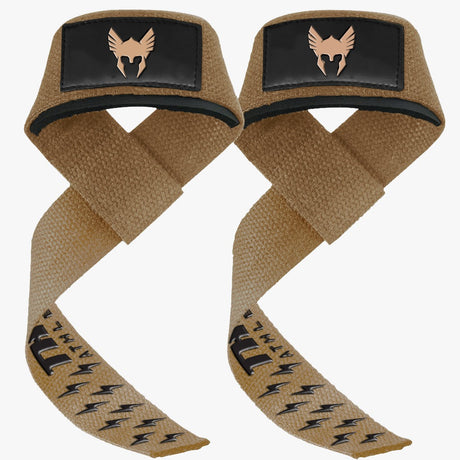
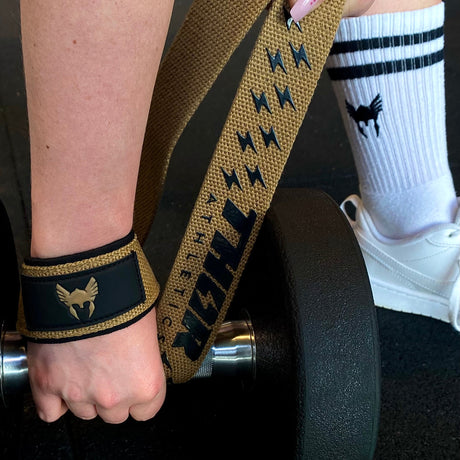
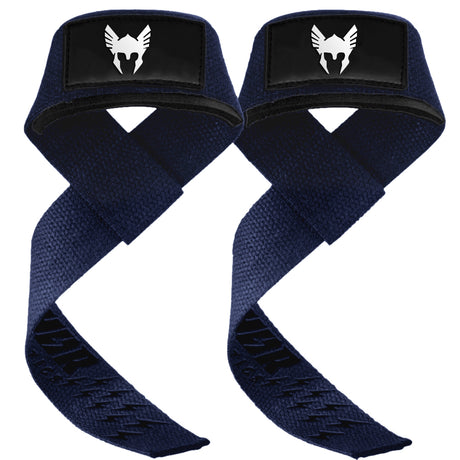
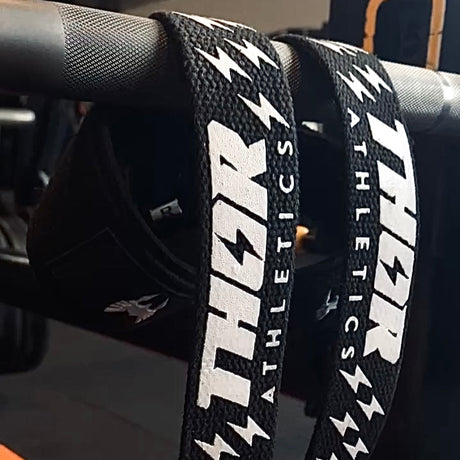
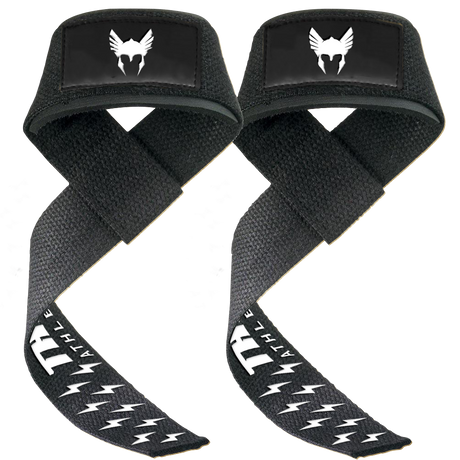
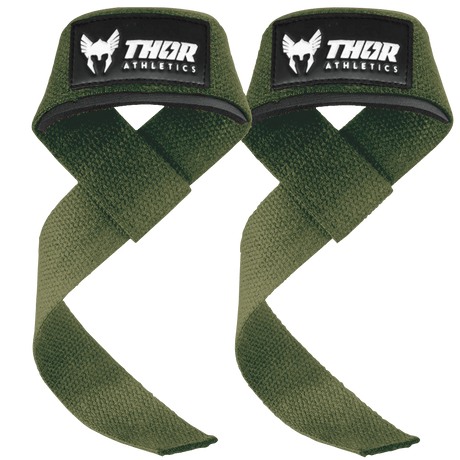
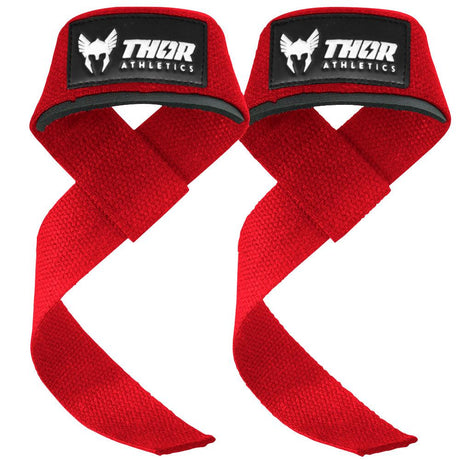
Most straps, including Thor’s, his lasso straps. Here’s how to put them on:
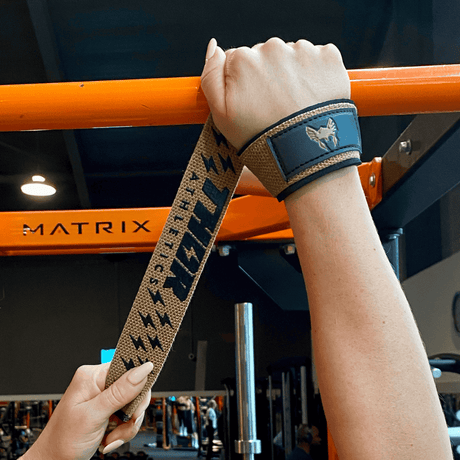
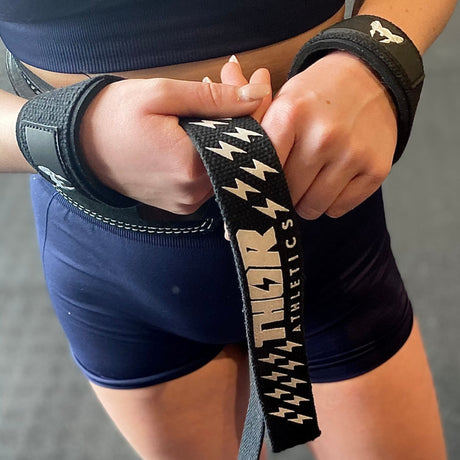
1. Make the loop. Insert the long end of the strap through the loop on the other side. You now have a large, adjustable ring.
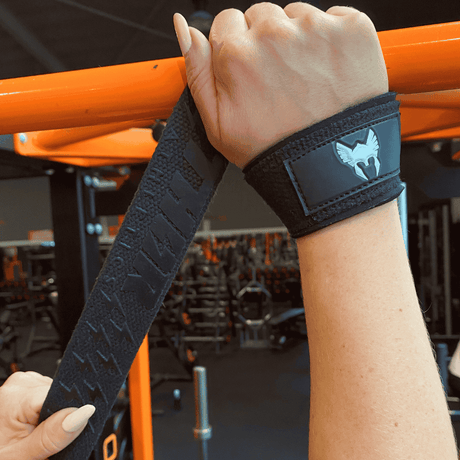
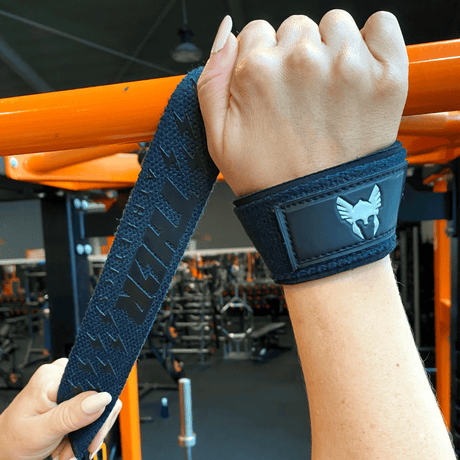
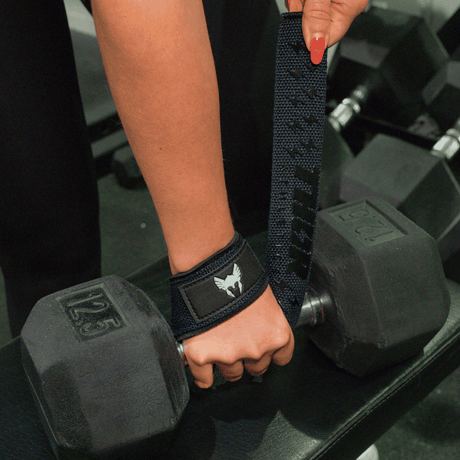
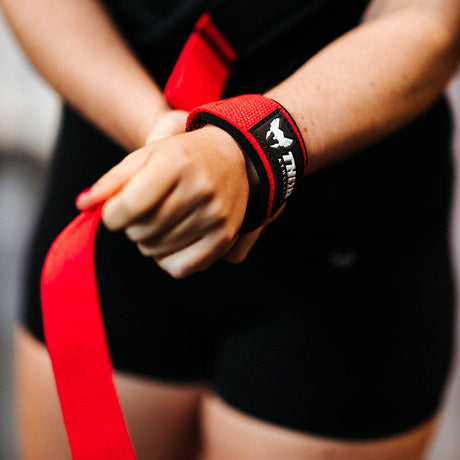
2. Wrist in. Slide your hand through the ring until the strap around your wrist, with the neoprene pad against the inside of your wrist. The loose strap hangs down on the palm side of your hand.
3. Tighten. Pull the strap tight around your wrist. It must fit firmly, not pinch.
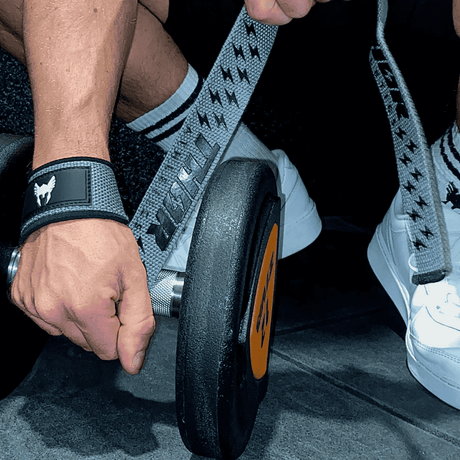
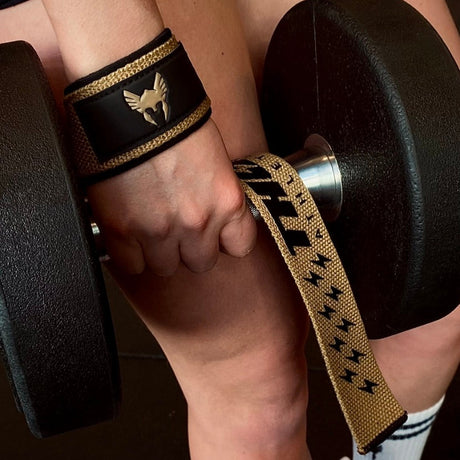
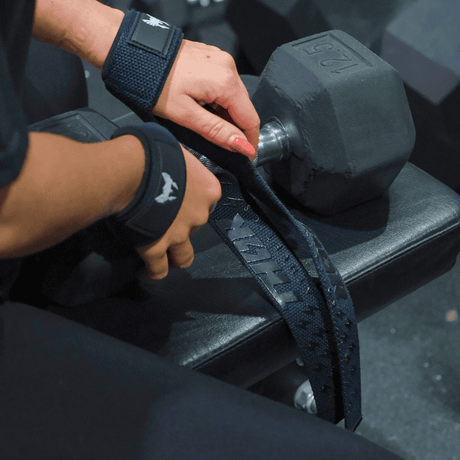
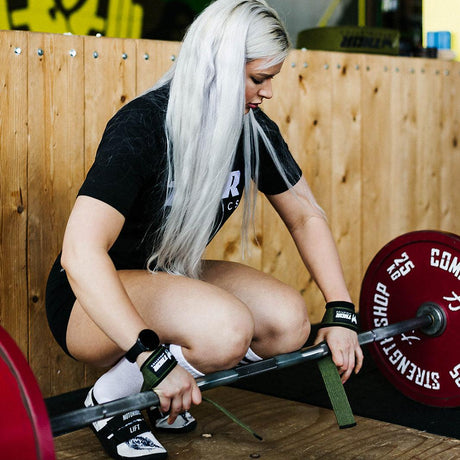
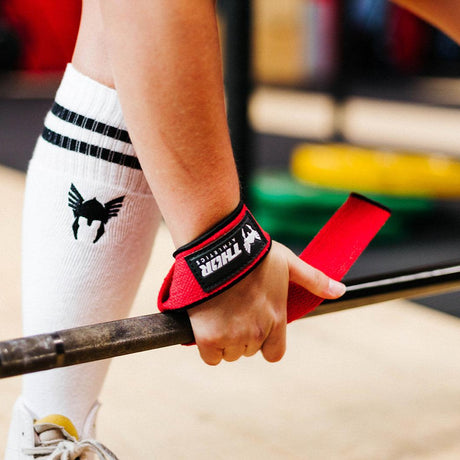
4. Wrap around the bar. Grab the bar and wrap the loose strap from bottom to top around the bar, two to three times, as tight as much as possible. The more contact surface, the more grip.
5. Tighten up. Roll your hand towards yourself to tighten the wrap twist tightly and grip the bar firmly. Then put on your second hand.
Left and right hand: how to wrap evenly
Wrap both wrap both straps the same way so your grip feels identical on left and right. Start with your weaker hand (often the non-dominant), so your second hand holds the bar you can still correct. Does one side feel looser? Tighten it again before you lift, uneven straps pull crooked.
Lifting straps with dumbbells and machines
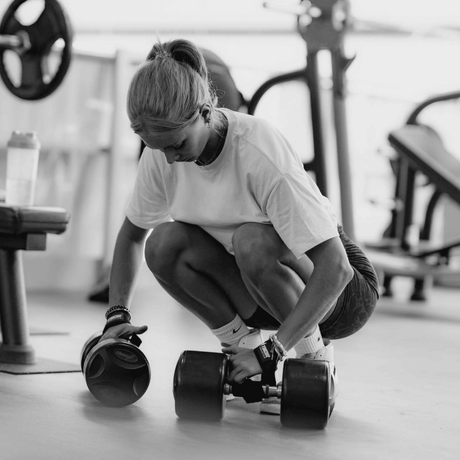
How straps work not just on the barbell. For heavy dumbbell rows, dumbbell shrugs, and the for most cable and machine exercises, you wrap the strap the same way around the grip. With a thick grip, you often wrap one less turn; what matters is that the strap is tight and cannot roll loose under load.
The most common mistakes when using lifting straps
- Wrapping too loosely. One loose wrap around the bar still slips. Wrap tightly and tighten the wrap before you lift.
- The strap in the wrong direction. Always wrap towards yourself, under the bar and over it. The wrong direction lets the strap loosen under load.
- Using straps for everything. If you use straps every set, your grip strength will lag. Save them for your heavy sets.
- Straps that are too loose. With thin wrists, a standard size slips. Choose a smaller size for a snug fit.
- Do not tighten the wrist. A strap supports, but you keep your wrist straight and firm. A loose wrist under heavy weight feels unsafe and reduces grip.
How often should you use lifting straps?
Use straps for your heaviest work sets and your last, heaviest reps, where grip holds you back. Train your warm-up and lighter sets without them, so your grip strength to develop. This way you get the best of both worlds: a strong grip AND no grip limit on your heaviest sets.
Which Thor lifting straps suit you?
Which straps do you choose depends on your type of training and your wrists:
| Strap | For those who | Price |
| Regular (cotton) | The all-rounder for the most lifters; entry point | ± €17.95 |
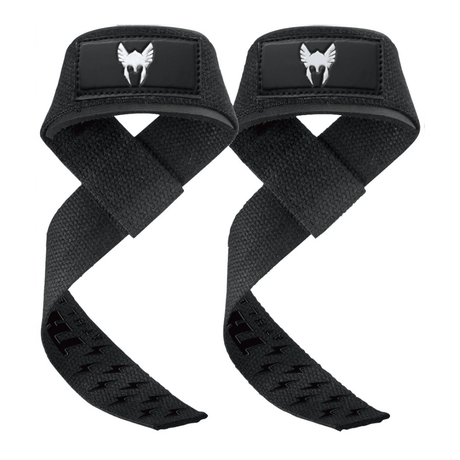
| Extra Grip | Heavy pulls and sweaty hands; rubber coating for more friction | ± €18.95 |
| Leather | Premium and durable; stretches barely stretches | ± €19.95 |
| XS | Thin wrists or small hands; tight fit | ± €17.95 |
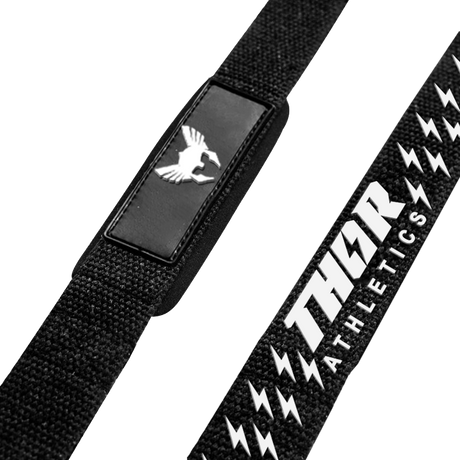
For most lifters, the regular Lifting Straps made of premium cotton are with neoprene wrist lining is the right choice. If you really lift heavy or sweat on your hands, then choose the Extra Grip variant.

Frequently asked questions about how to use lifting straps
Are lifting straps cheating?
In your own training is not, it is a tool to further load your target muscle without that your grip gets in the way. In powerlifting competitions, straps are forbidden, because your grip is part of the lift there.
Are lifting straps suitable for beginners?
Yes. As soon as you if grip limits your back training or deadlifts, straps help you safely lift heavier and to train with more volume. Also train some of your sets without them, so your grip grows along.
Do straps help with pull-ups?
With weighted pull-ups and lat pulldowns: your grip often doesn't hold up while your can handle even more on your back. For loose pull-ups with body weight, they are usually not necessary.
How do you wash lifting straps?
Wash cotton wash straps by hand in cold water and let them air dry. Avoid the washing machine and dryer, that accelerates wear. Leather straps should be wiped clean and keep you dry.
Do lifting straps last long?
Good straps last for years. Look for sturdy material and double stitching; that's where the quality lies. difference with cheap bands that quickly fray or stretch.
Good straps, well done, and your grip will never again be the reason you stop.