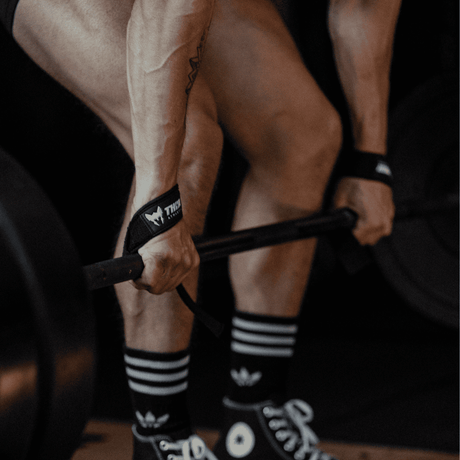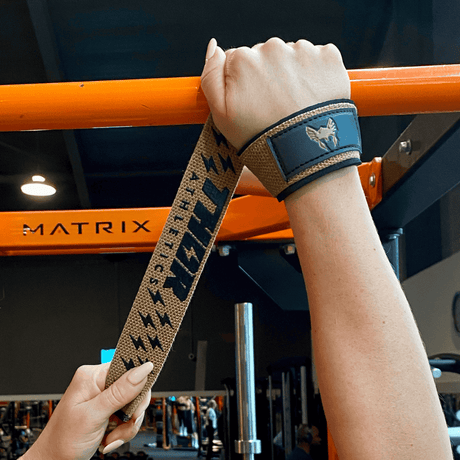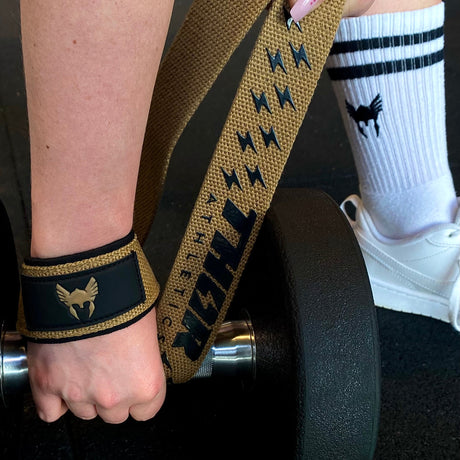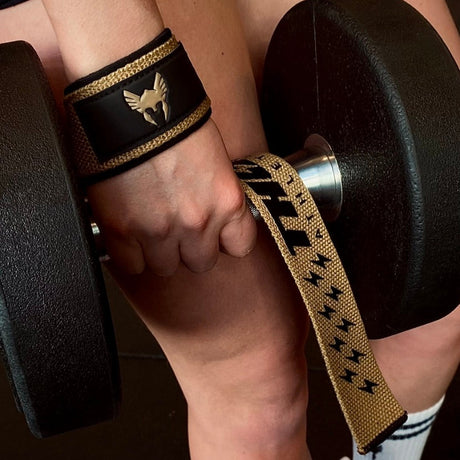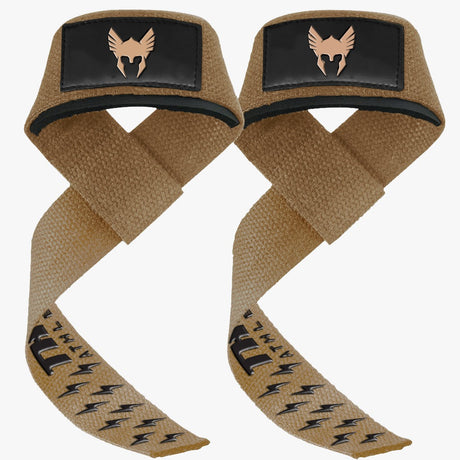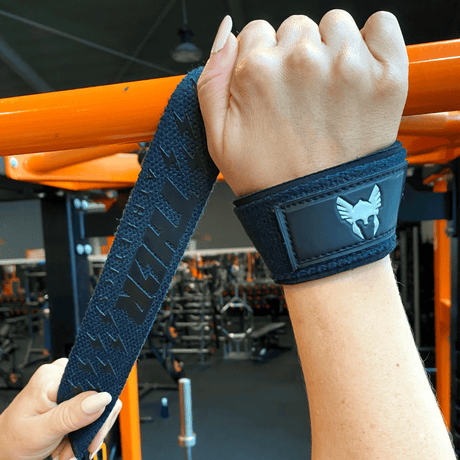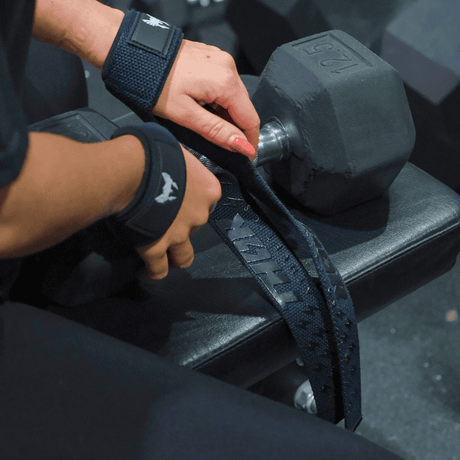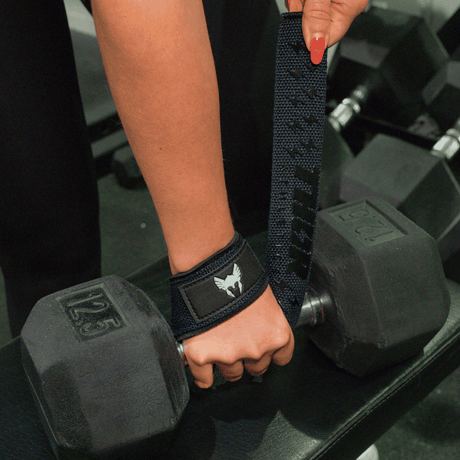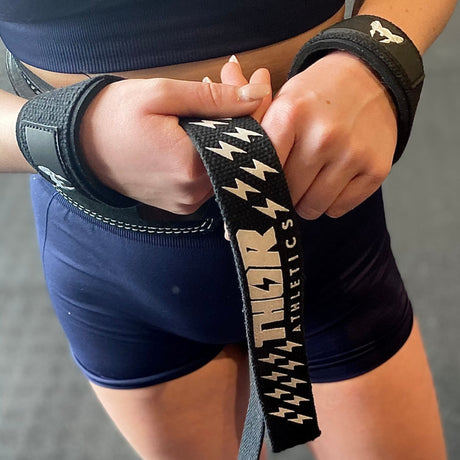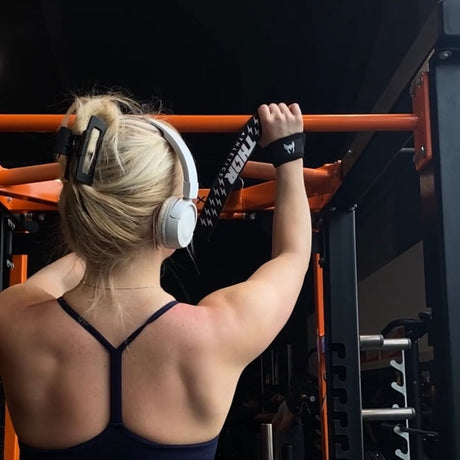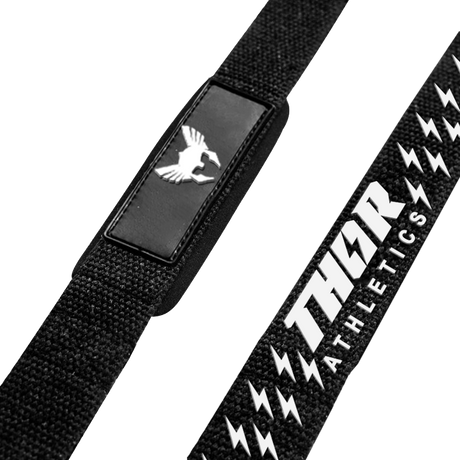

Use lifting straps for the deadlift on your heavy volume sets and accessory pulling work, where your back and legs are the muscles you want to train and your grip should not be the limiting factor. Do not use lifting straps for the deadlift during grip-focused work or on your maximum competition singles if you want to train your grip separately. This way, you get the best of both worlds.
Why lifting straps for the deadlift are useful
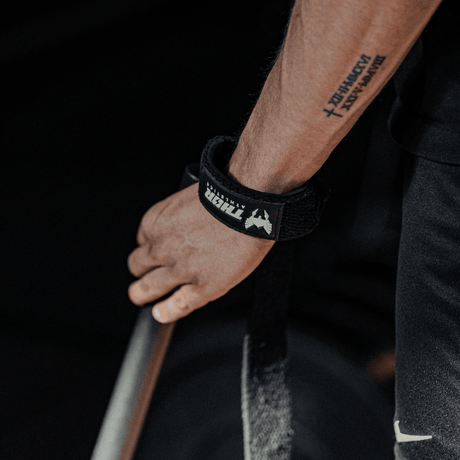
With heavy deadlifts, grip is often the weakest link. Your back and legs can handle more than your fingers can hold. Straps connect your hands to the bar, allowing you to load the target muscles to the desired volume without your grip giving out first. This way, you do not miss out on a training stimulus for your major muscle groups.
When should you use lifting straps for the deadlift?
- Heavy volume sets: multiple reps where your grip would give out before your back and legs.
- Accessory pulling work: rows, rack pulls, and Romanian deadlifts where building your back is the goal.
- High repetitions: when the bar would otherwise literally roll out of your hands.
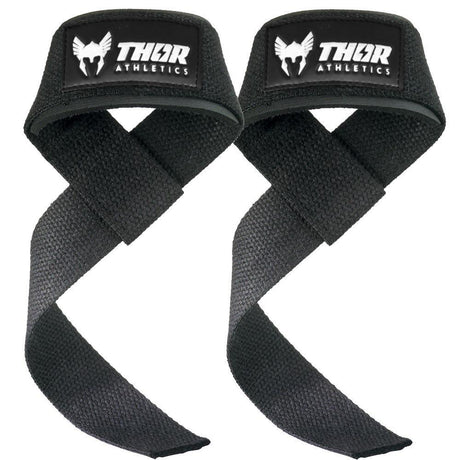
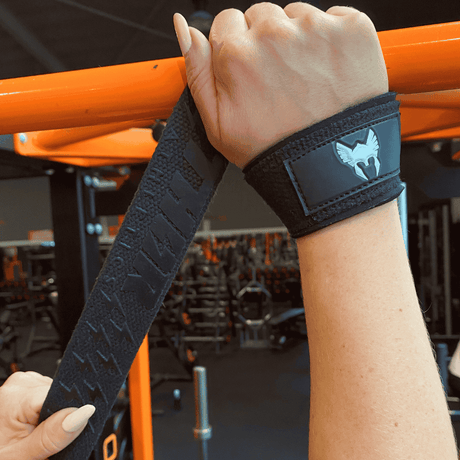
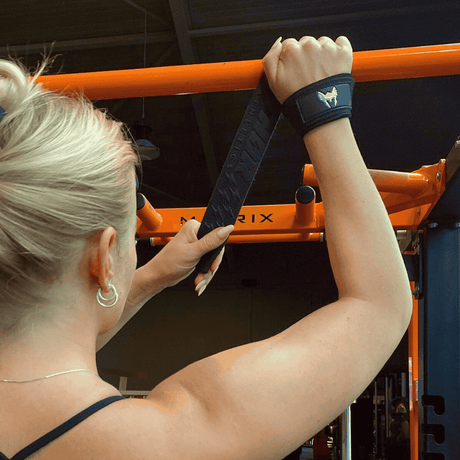
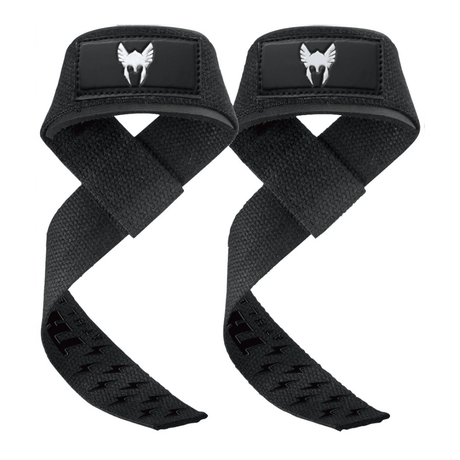
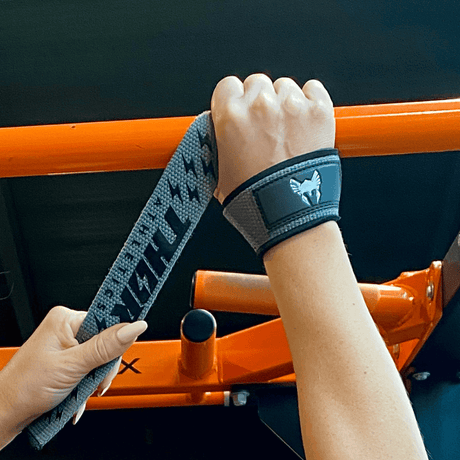
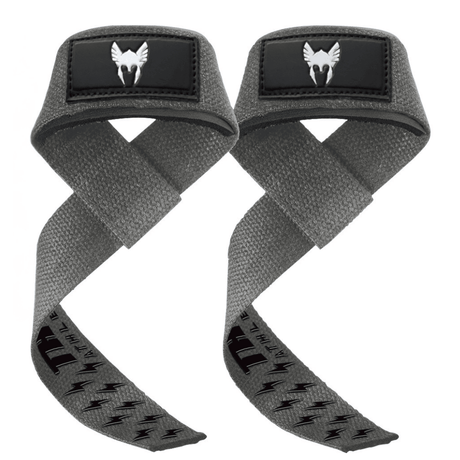
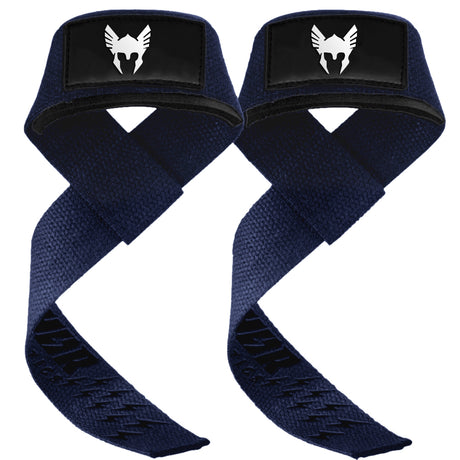
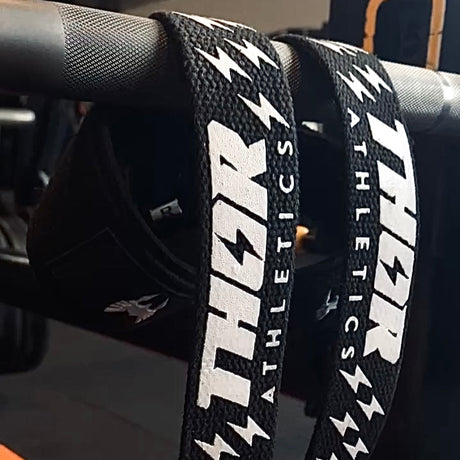
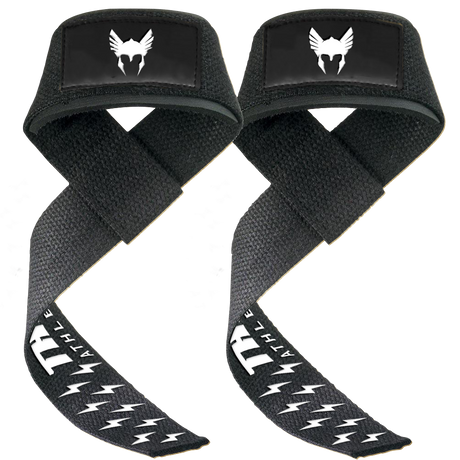
See which lifting straps are suitable; for extra grip, the extra grip straps are popular.

When is it better not to use them?
Straps are not always the best choice. If you want to strengthen your grip, leave the straps off for some of your work sets. If you are preparing for a powerlifting competition where straps are not allowed, train your heaviest singles the way you will lift on the platform. And for light sets, you simply do not need them.
Conclusion: lifting straps for the deadlift
Lifting straps for deadlifts are a smart tool for training your back and legs to the desired volume when your grip is the limiting factor. Use them for heavy volume sets and accessory work, and leave them off for grip-focused work and maximal competition singles. Using straps in this targeted way lets you train smarter while continuing to develop a strong grip.
Frequently asked questions about lifting straps for deadlifts
When should you use lifting straps for deadlifts?
Use lifting straps for deadlifts mainly on your heavy volume sets and accessory pulling work, where the goal is to place maximum stress on your back and legs and your grip should not be the limiting factor. At those times, straps help you complete the full training volume. Leave them off for grip-focused work and lighter sets, so your grip continues to develop.
Are lifting straps allowed in powerlifting?
No, lifting straps are not allowed in official powerlifting competitions; you must hold the bar with your own grip. That is why it is smart to regularly train your heaviest competition singles without straps, so your grip stays accustomed to maximum weight. Straps are still valuable for your volume and accessory work outside those maximal singles.
Do straps weaken your grip if you use them for every deadlift?
If you use straps for every set, your grip misses the stimulus it needs to get stronger. The solution is balance: use lifting straps for your heaviest deadlift volume work, but keep some of your sets strapless and add targeted grip training. This way, you benefit from the extra volume while continuing to build a strong, reliable grip.
Which lifting straps are best for deadlifts?
For deadlifts, lasso straps or straps with extra grip work well because they provide plenty of support and are quick to put on. Choose a length and material that suit your hands and weight. Athletes who want maximum grip often choose straps with a rough or coated inner side. Browse the options and choose the set that best suits your pulling work.