An injury is a form of physical harm sustained from practicing a sport. Not only sports but also ‘extreme’ movements of the body can cause an injury. Read more in this article about preventing injuries during training.
Most common injuries during training

Lower back injury
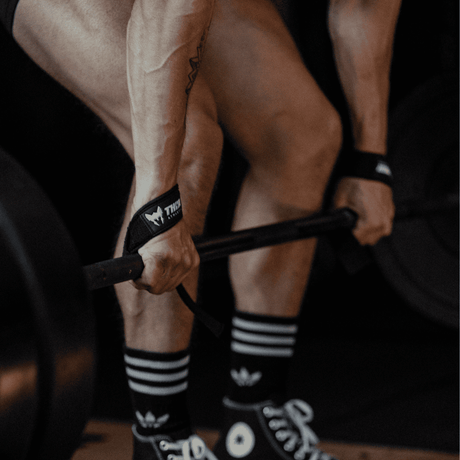
You know that feeling, you’re warming up for a new brutal deadlift PR, your warm-ups fly up and you feel like Thor himself. Then comes the moment, you add the last 20kg to hit 200kg, this is an all-time PR if you pull it off the ground.
You are full of confidence, you know your form is good because you’ve watched multiple videos on YouTube, you’ve read Men’s Health from A to Z, and you’ve eaten at least 300 grams of protein before training and thrown down 4 scoops, this is the moment.
You walk to the bar, place your hands on the barbell, roll the bar a meter forward and back again; your favorite powerlifter does that, so you do too. You pull as hard as you can, and the moment the bar lifts even a centimeter off the ground, you feel a sharp pain in your lower back.
It could be that your lower back wasn’t strong enough for the amount of weight you put on the bar or that your form wasn’t 100% on point, but with this, you probably have a lower back injury.
There you go, half a year without deadlifts, 20 physio sessions later, and many days of missed gains.
Shoulder Injury

In the shoulders, the tendons and the attachment points of the shoulders are the most common injuries. Just look at the average gym when people are bench pressing or doing shoulder presses with dumbbells or a barbell.
What you will see is that ‘generally’ most people perform their exercises with their elbows wide instead of somewhat ‘tucked,’ meaning with a bend, as if you want to tuck your elbow slightly into your pocket..
This ensures that your tendons are in a better and, above all, safer position.
Knee Injuries

With a knee injury, it is often the cruciate ligament that ‘tears’ or the meniscus. For example, if your cruciate ligament really tears, you will hear a kind of ‘pop’ and immediately experience severe, persistent pain, swelling will develop within an hour, and you will also experience a certain type of ‘instability.’
With a meniscus injury, you don’t necessarily have pain throughout your entire knee but it can also be ‘localized,’ often felt in the ‘joint space’ between the upper and lower leg. You will feel significant pain when bending and straightening if something is wrong with your meniscus.
Elbow injury
The cause of this is often overloading of the tendons/muscles attached to the elbow. It frequently occurs in people who make certain ‘unnatural’ movements with the elbow and repeat these movements often. So keep in mind not to repeat certain exercises TOO OFTEN.
Wrist injury
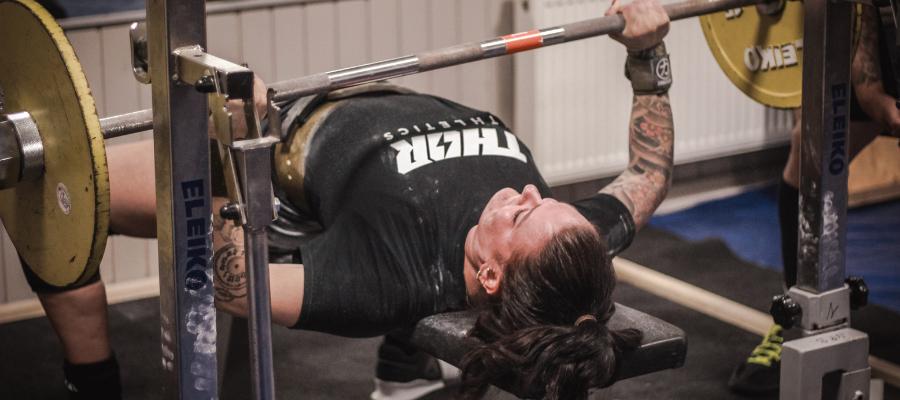
Let's go back to bench pressing where the wrist is regularly bent too far and the pressure from the barbell no longer presses directly on the wrist joint but more halfway along the 'wrist band.'
This causes enormous stress on the wrist bands. If this happens occasionally, it is usually not a big problem, but if you do it too often, you will almost certainly experience issues because the wrist bands and tendons adapt to the position of your wrist and eventually overstretch.


Tips to prevent injuries
Let’s talk about how we can *usually* best prevent injuries during training, because honestly; An injury can happen in a split second even if you do everything as ‘optimally as possible’.
Warm-up
Take your warm-up seriously. I don’t mean you have to spend 45 minutes stimulating every fiber of your calves with a foam roller, but that you make small incremental increases if you’re going for a 1RM, for example.
Let’s take a deadlift again, you can start by warming up and loosening your hips a bit, you can do some Romanian deadlifts (light) for a few reps to loosen everything up.
Then, for example, you add 20kg to each side and do some reps (5-10), by the way, you want to perform your warm-up just as if you’re going for a 1RM. So the same setup, taking slack out of the bar, foot & arm position as you normally do, and controlling your breathing.
This is how you prepare your body for a top performance. After this, you add 20kg to each side and do a few more reps (3-5). You keep going like this until you get closer and closer to your 1RM.
Keep in mind that in the last 2-3 warm-up sets you only do 1-2 reps and make the weight increments smaller each time..
You do this because if you keep doing 5+ reps every time, you create way too much fatigue. For example, if you’re going for that 200kg 1RM PR, you don’t jump straight from 160kg to 200kg like you do from 60kg to 100kg, no, you first go from 160kg to 180kg, then to 190kg, and only then your 1RM.
This way you have properly prepared and warmed up your body to actually rock that PR!
Ask for help

Don’t just watch YouTube videos for your form but also ask people who know (even more) about training and how to perform exercises than you do. I believe we can learn something from everyone.
I also believed that I had my form completely under control; I always aimed for the largest possible Range of Motion, because the bigger your ROM, the more muscle fibers you activate, resulting in more GROWTH.
You would say it's perfect, but then suddenly during bench pressing I felt a ‘pop’; Fuck, here we go, I thought.
I recognized this because I had seen it on videos before; a ‘Pec tear’. Of course, I immediately stopped training, iced it, and didn’t train chest for a while.
Went to the physio, it turned out I didn’t have a ‘Pec Tear’ but that my shoulder had popped out and back in again.
The answer I got to the question of how this could happen; My ‘TOO LARGE’ Range of Motion.
During dumbbell presses and such, I always try to go as deep as possible, that’s how I was taught. It turns out that this puts your shoulder in an ‘uncomfortable’ position and you don’t actually need to go extremely deep, at least not with dumbbell presses. *I hear you thinking, jerk*.
SO. Always be willing to learn, ask people for feedback, and be open to tips from others.
Film your exercises and be critical
Yes, this is also a very good tip, if you film your sets, you can see exactly what’s going well and what’s not going so well.
If you don’t see this well yourself, you can also post videos on your social media and ask for feedback or send them to friends who have been in the gym longer.
Of course, it’s also cool to see how your form changes as you become more advanced and how you get better at what you do.
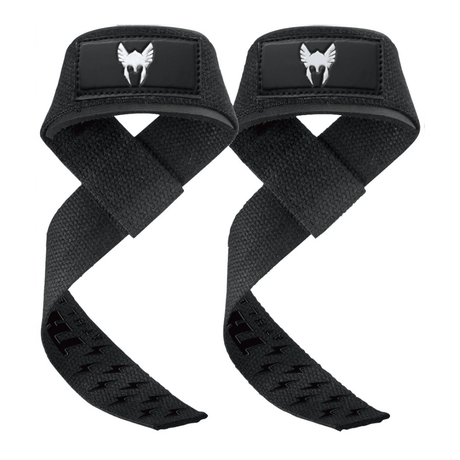
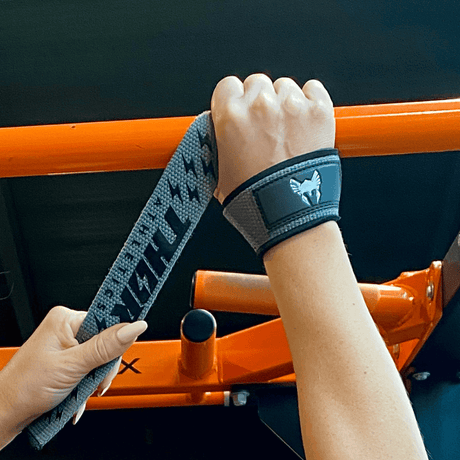
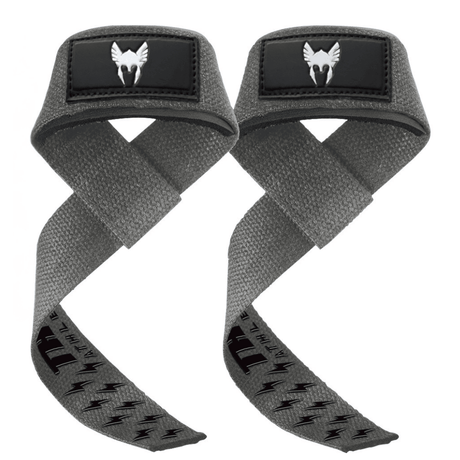
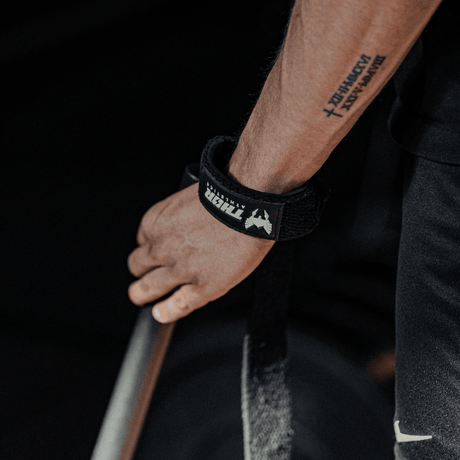
Use lifting accessories.
The Powerlift Belt
Yes, a Powerlift Belt can help you squat and/or deadlift more weight.
This can increase your risk of injury. Huh, increase? Yes, if you don’t have your form under control and you put on a belt to push even more weight, it’s more like a band-aid and you can expect something to go wrong.

Let's be honest; the more weight you put on the bar and the stronger you get, the greater the chance of an injury..
Want to read the full article about the Powerlifting Belt? Click here.
To view our 10mm Powerlifting Belt that gives you maximum support, click here.
But if you have your form under control, then a powerlifting belt is a very good way to safely push some extra weight and, for example, lift through a plateau or get stronger faster.
Rodilleras
The same goes for Knee Sleeves, they improve your blood circulation and keep your tendons and joints warm so you can train as heavy and safely as possible.
The Knee Sleeves also give you maximum support when lifting heavy weights and allow you to add those extra few kilos to your Squats or Leg Press, let's be honest; we all want that, right?!


Want to read the full article about Knee Sleeves? Then click here.
Do you also want maximum gains in the safest way possible? Then click here to check out our 7mm Knee Sleeves for maximum support.
Wrist Wraps
To give one last example, when you bench press heavy weights (heavy is obviously relative and personal), there is always some stress on your wrists.
You want to keep your wrists as straight as possible relative to your elbow, but there is always pressure.
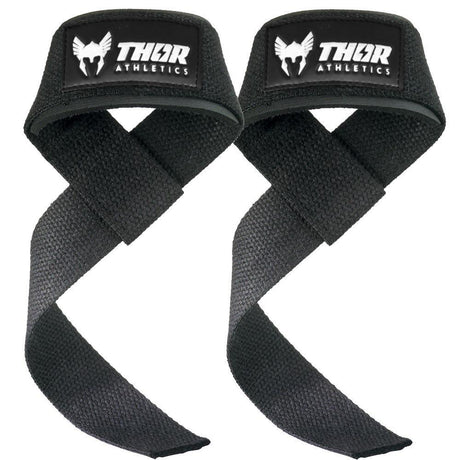
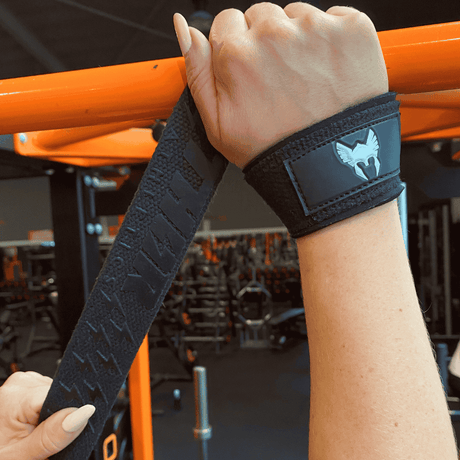
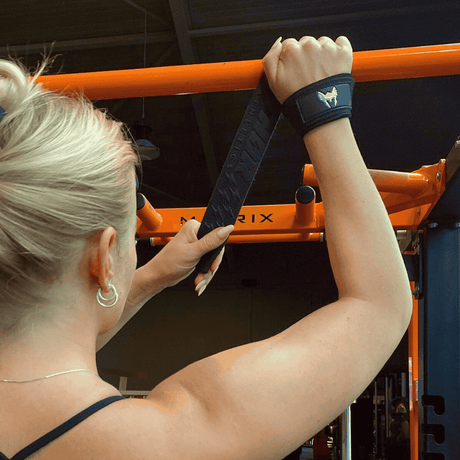
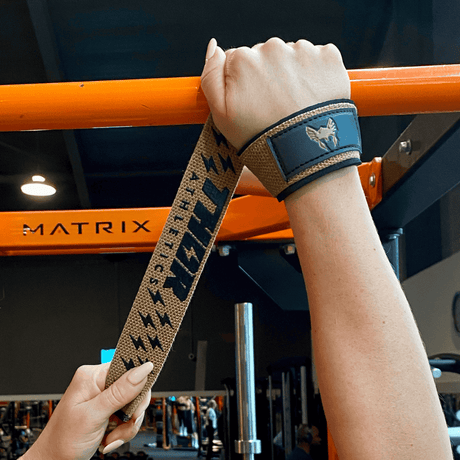
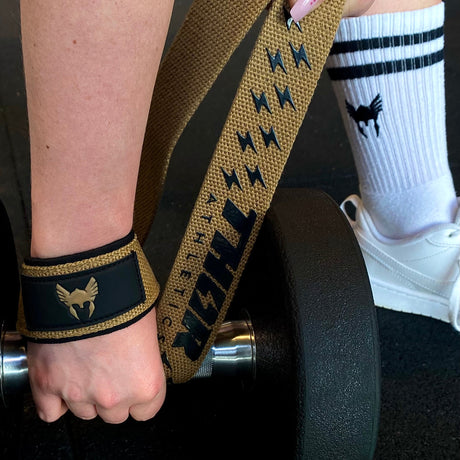
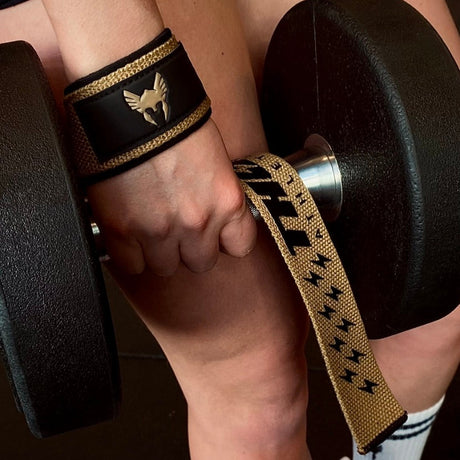
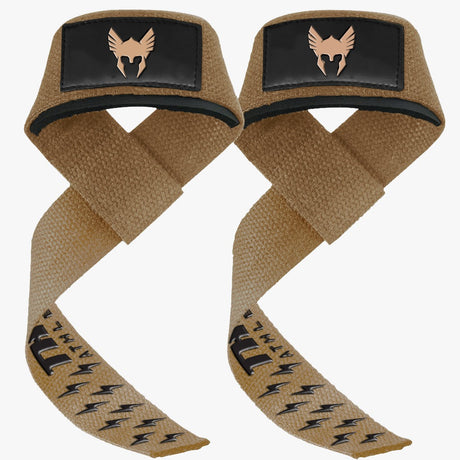
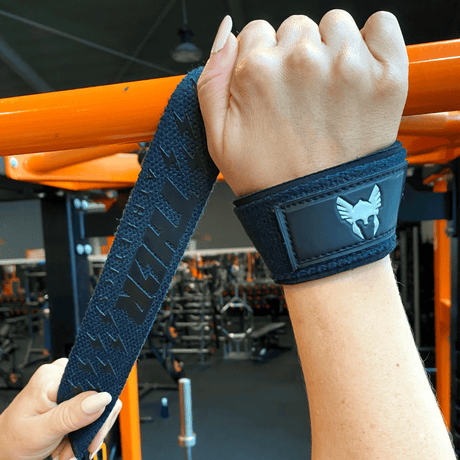
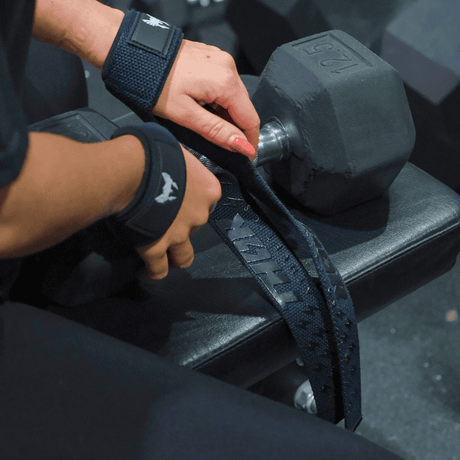
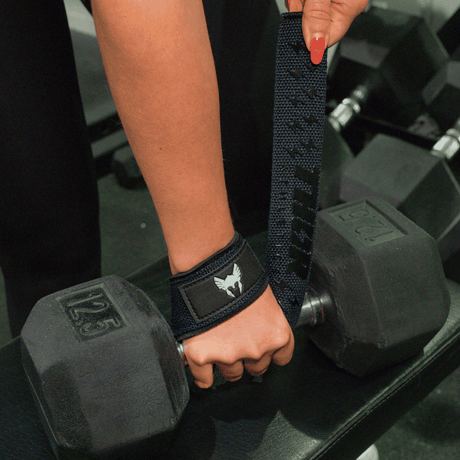
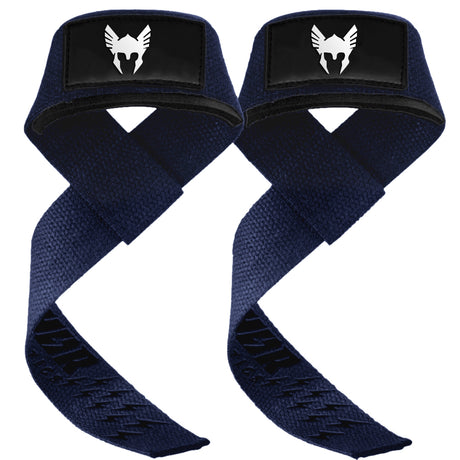
By protecting your wrists with Wrist Wraps, you can give your wrists extra support, which can also help you lift even more.
Want to read the full article about Wrist Wraps? Then click here.
Are you ready for a chest like Arnold’s and want to keep your wrists as healthy as possible during this journey? Then click here to check out our Wrist Wraps.
In summary
An injury can happen in a split second and can never be completely prevented, but you can do several things to avoid them as much as possible:
- Warm up properly
- Ask for help
- Film your exercises and be critical
- Use lifting accessories
- And one more bonus point, Leave your ego at home. You want to train your muscles in the gym, not your ego. Take off that belt while curling, bro.
Hopefully, you have learned something about injuries during training and how to prevent them as best as possible.
If you still have questions, feel free to ask them via Instagram or by filling out the contact form by clicking here.