
Powerlifting is a strength sport where you move as much weight as possible in three lifts: squat, bench press, and deadlift. You’ve probably heard of powerlifting; it’s a rapidly growing sport. Nevertheless, many people still don’t have a clear idea of what the sport entails and what makes it so appealing to many. In this blog, I’ll show you all the ins and outs of the sport, hopefully giving you a better picture of the strongmen who take up all the weight plates in your local gym.
What is powerlifting?
To explain what powerlifting actually is, I like to use a comparison with another sport. Let’s take soccer as an example. Soccer is a sport where you train several times a week to develop skill and fitness, which you then use in a match, usually on the weekend, to beat your opponents. What happens during training doesn’t really matter, as long as you’re better than your opponent in a match.
In such a competition, everyone gets a total of 9 attempts to move weight, 3 for each lift. Squat goes first, followed by the bench press, and to finish it all off, the deadlift. Referees are present to determine if each lift is performed correctly, and commands are given to make the playing field as fair as possible. For each lift, the attempt in which you moved the most weight counts. The highest attempts of each lift are added together for a total.
The person with the highest total wins the competition.
Just like in soccer, you can also powerlift “recreationally”. For example, you can participate in a friendly competition (a mock meet) or not compete at all and simply train to get stronger in the squat, bench press, and deadlift.
If you mainly use the squat, bench press, and deadlift for muscle growth or include them in your routine because you enjoy the exercises, this is often called “powerbuilding.”

How do you start powerlifting?
In theory, you could start powerlifting by walking into a gym and beginning to squat, bench press, or deadlift.
Chances are you’ve already incorporated these three compounds into your training routine, but if you want to focus on moving as much weight as possible, your workouts will fundamentally look different from those of, for example, a bodybuilder.
There is a lot of information and training programs available online in the context of powerlifting. That’s of course a great way to start your powerlifting journey. The programs you find online are cheap or sometimes even free and can provide a good insight into what a powerlifting routine looks like.
To fully unlock your potential or just make a great start, it’s always recommended, as with any other sport, to work with a coach.
A coach is there to provide you with a good training program, advice on technique, and to help determine a strategy for competition day.
To truly utilize all your potential strength, much more is involved than just a good training program and proper nutrition. Fortunately, there are many people within the community who want to help you get started.
What should you pay attention to when you start powerlifting?
Starting powerlifting can be quite overwhelming. There is a lot of information available on the internet and many people giving all kinds of different advice.
Keep it as simple as possible.
Start with an online program from a reputable source and try to follow it as consistently as possible. An even better first step would be to start working with a coach right away. The value of a coach is often underestimated. By handing over most things, you can just focus on enjoying your training!
Besides these initial steps you could take, there are two things that are always important:
Train sub-maximally:
To get stronger, it’s not necessary to train extremely heavy and exhaust yourself every session. In fact, it often backfires. To get stronger, you want to work within certain percentages of your 1RM, within certain rep ranges. That’s why it’s important not to lift too heavy. This only drains your body and ensures you can’t train optimally in the next session.
You want to maintain as much momentum as possible after each training session so you get a little stronger every week..
The weight you lift in a training session doesn’t matter. You want to make yourself as strong as possible, whether it’s for an official competition or a mock meet.
Focus on technique:
When you start powerlifting, chances are you’ll enjoy throwing around heavy weights right away. And rightly so! However, you don’t want to rush and lose focus on technique.
Lifting heavy weights is not bad, but you want to make sure you at least have the basic technique under control.
This helps you prevent a lot of future injuries.
Advantages and disadvantages of powerlifting

Every sport has its pros and cons, and so does powerlifting.
Disadvantages:
- Although you naturally get stronger and build quite a bit of muscle, powerlifting leaves quite a bit to be desired in terms of muscle growth.
- The squat, bench press, and deadlift are great exercises for muscle growth, but not always the best in every case. When your technique is not optimal, the risk of injury is much higher than with other more conventional “bodybuilding-focused” exercises.
- Additionally, these three compounds are much more demanding on both your body and central nervous system, meaning you will ultimately need more recovery than with most bodybuilding-focused exercises. This also means you can do fewer sets per muscle group, so muscle growth may not always be optimal. Of course, this can be combined well, but if the focus is solely on muscle growth, powerlifting is not always the first thing I would recommend.
Advantages:
- A big advantage is, of course, that you become incredibly strong from powerlifting. Who doesn’t dream of lifting three times their body weight off the ground?
- I can therefore guarantee that your self-confidence will skyrocket through powerlifting.
- There is also a powerlifting community that supports each other greatly, so you will build many new connections you might never have had otherwise.
- Pushing yourself to the limit is central to this, and powerlifting is for many people a way to continuously improve themselves and each other as individuals, even outside the gym.
Accessories for powerlifting
Maybe you have watched a powerlifting competition or know someone who powerlifts. Then you also know that powerlifters are notorious for the enormous gear they drag into the gym day in, day out.
All materials and accessories used in powerlifting are meant to help the lifter move as much weight as possible.
On competition day, every kilo counts, so it would be a shame not to use the best possible equipment.
The most important accessory that powerlifters use is the belt.
Contrary to what many people think, a belt is NOT meant to protect your back..
- A belt by itself will not provide stability. You need to create this stability yourself by tightening your core. With a sturdy belt around your waist, you can create even more tension by properly tightening your core.
This ultimately allows you to generate more power and therefore move more weight..
Wrist wraps, also called wrist bandages, are indispensable for many lifters during squats and bench presses.
- First, the bandage supports your wrists so they don’t bend excessively during the lift.
- Secondly, wrist wraps provide a certain level of compression. Many lifters find this very comfortable because it gives more confidence in the wrist joint and allows you to grip the bar harder.
Knee sleeves, like wrist wraps, provide a certain level of compression on the joint.
- This ensures the joint stays well warm, significantly reducing the risk of injury.
- Knee sleeves often also give the lifter more confidence, allowing them to move more weight.
- Knee sleeves also have quite a bit of elastic capacity, which can provide a little extra power during the squat.
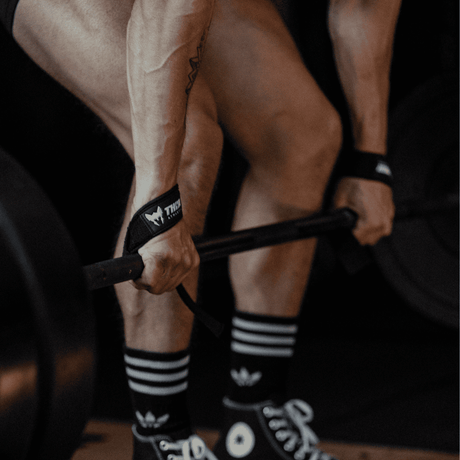
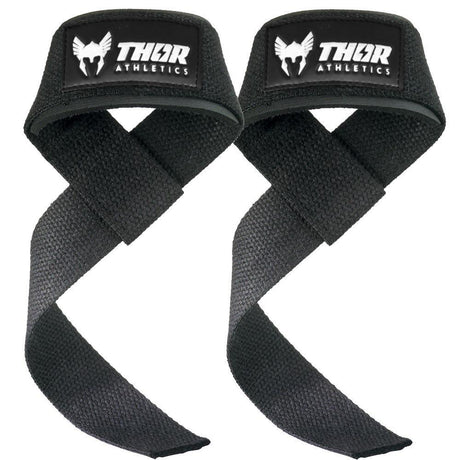
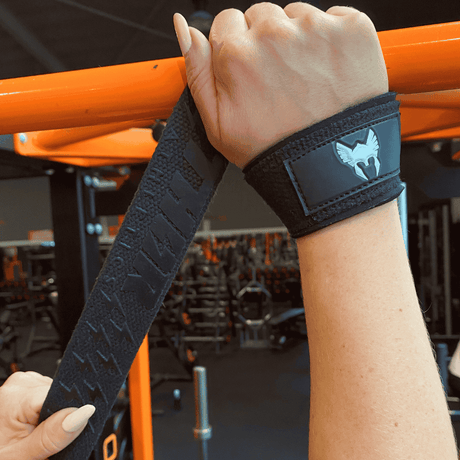
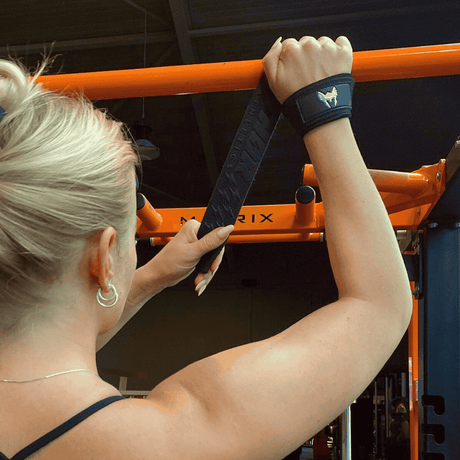
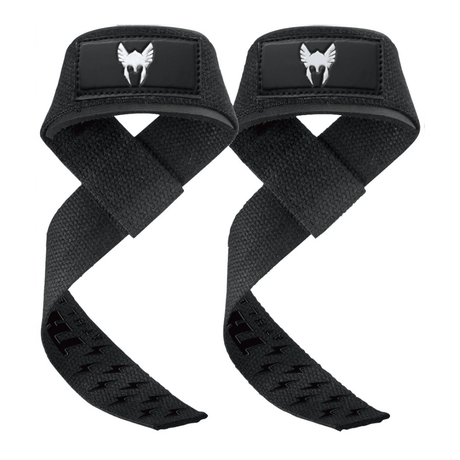
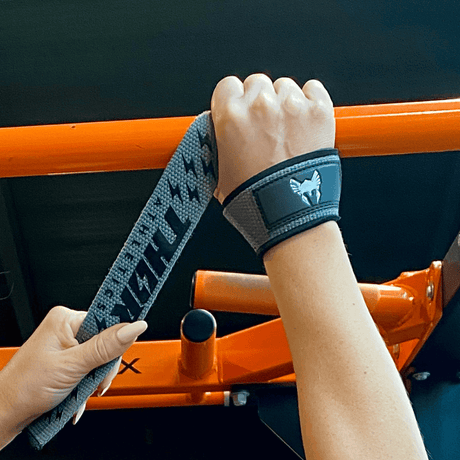
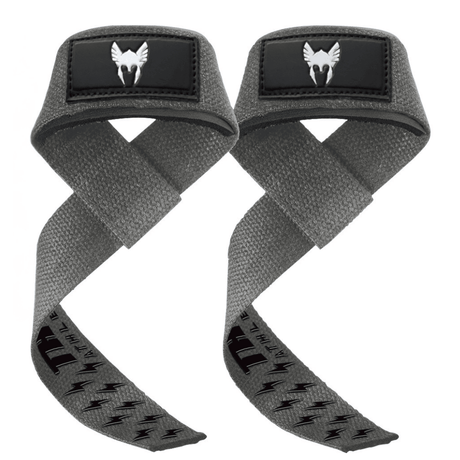
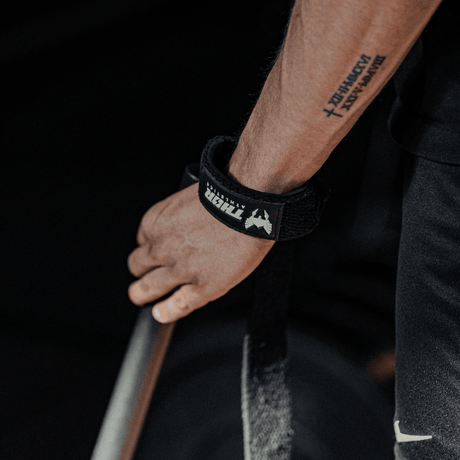
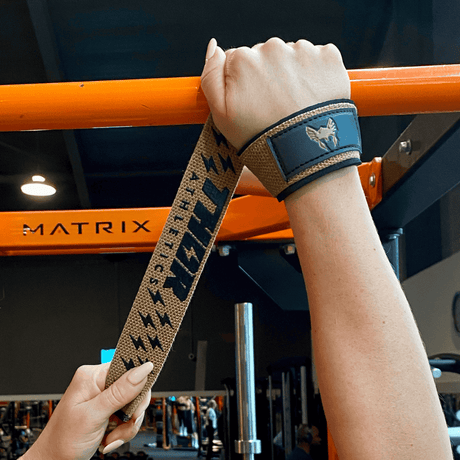
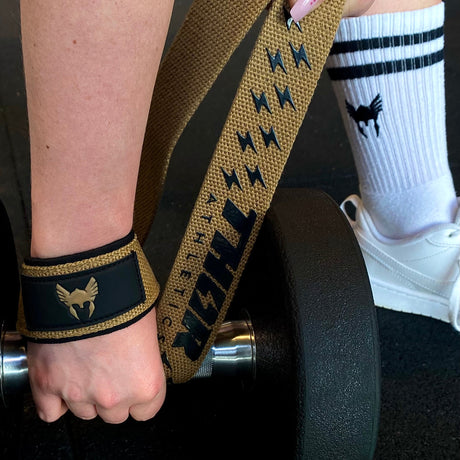
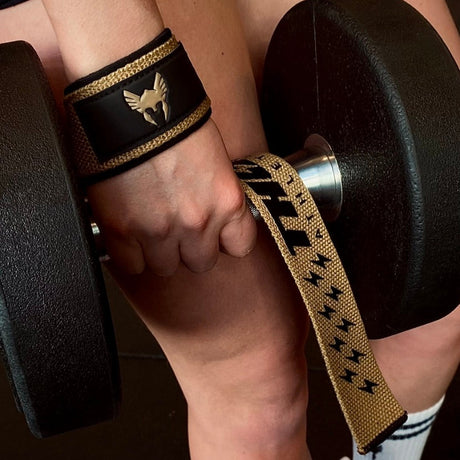
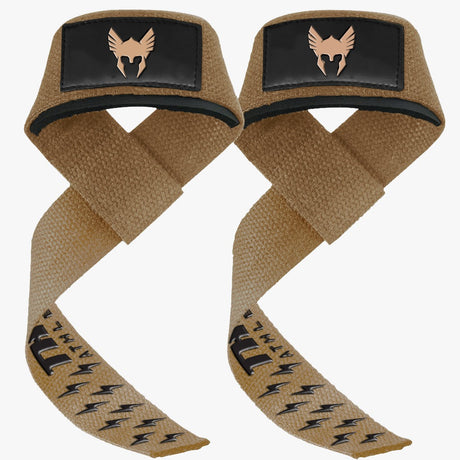
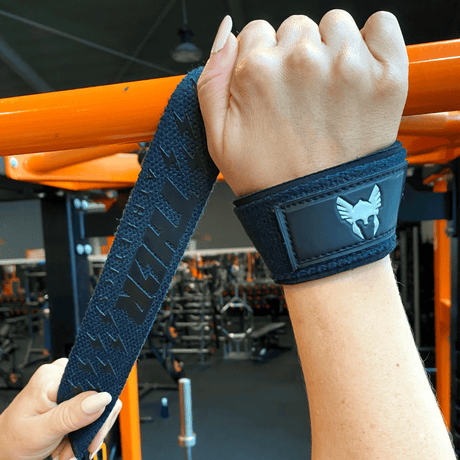
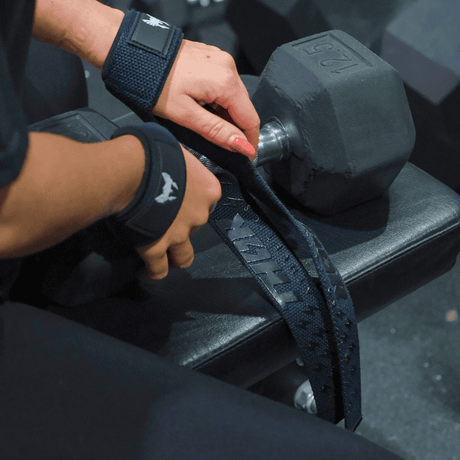
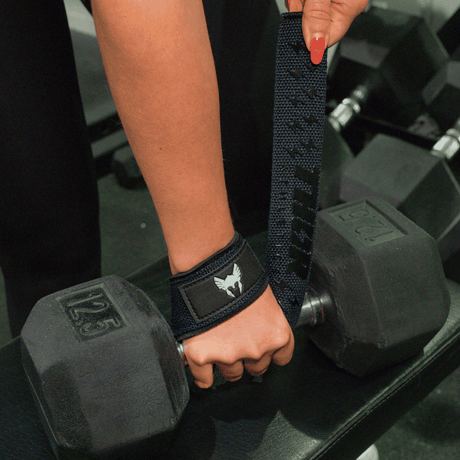
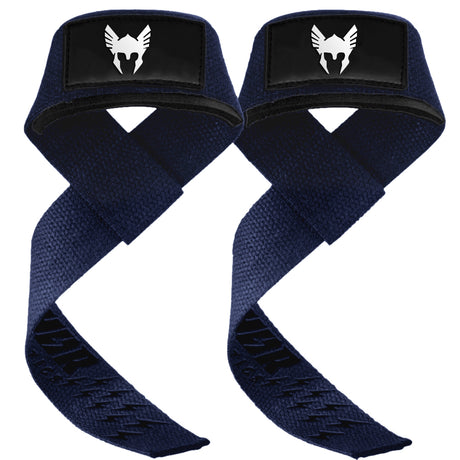
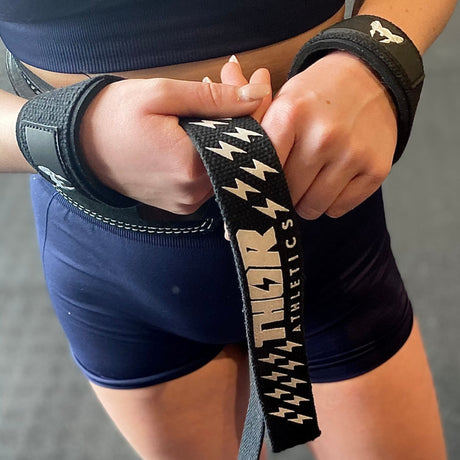
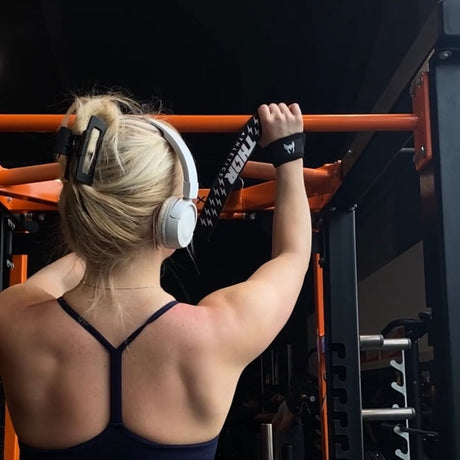
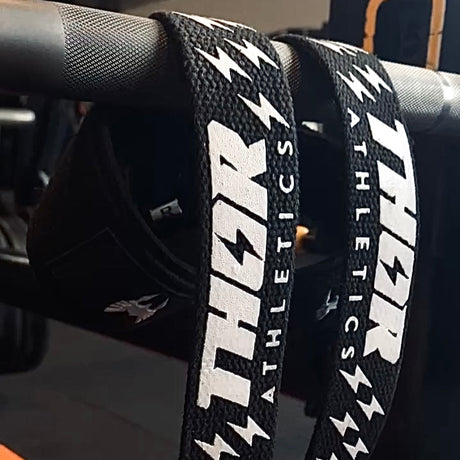
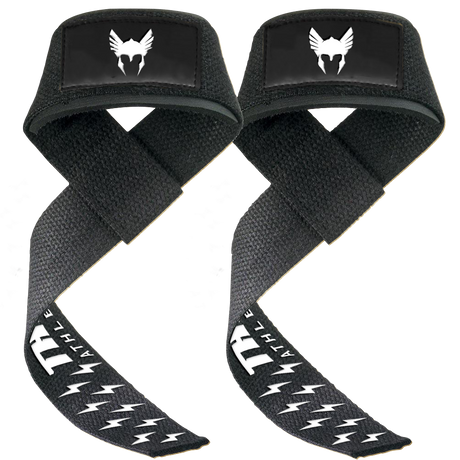
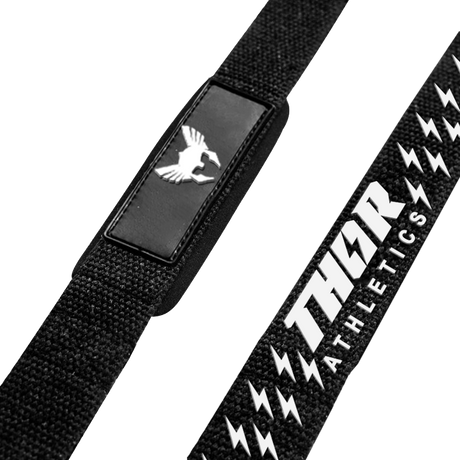
Lifting straps are not allowed in (official) competitions but can be very valuable during training..
- For many lifters, grip during training is the limiting factor in the deadlift. It would be a shame if you can't complete a few reps because your grip fails halfway through the set.
- To get the most out of your training, it can be useful in some cases to use lifting straps for extra grip. This allows you to train maximally without being limited by your own grip during heavier sets.


I would always recommend competition athletes to train with lifting straps as little as possible, because you will have to do without them in a competition as well, but if you have to do sets of multiple repetitions, your grip will sooner or later not be able to keep up, and in that case, it is an indispensable accessory.
If you’re not planning to compete, you can of course use lifting straps to really get the most out of your training sessions.
Frequently asked questions about powerlifting
Do you have to be strong to compete in a powerlifting competition?
No, every competitive powerlifter started somewhere. It’s best to put your ego aside and gain experience in competitions as soon as possible; then, when you’ve built more strength, competitions will go much better for you.
How do you start powerlifting?
Anyone can go to the gym and start powerlifting! You can begin with a program you found online. If you want to make big progress quickly and get the most out of it, you can also start working with a coach right away.
Can you combine powerlifting with muscle building?
Yes! Getting stronger will always go hand in hand with building muscle. You can also decide how much you want to focus on strength or muscle growth. A combination of both is often called powerbuilding.
What equipment do I need for powerlifting?
To start powerlifting, you don’t need any equipment. A powerlifting belt, wrist wraps, straps, and knee sleeves can help you fully utilize your potential strength. Thor Athletics offers high-quality equipment at an affordable price.
Which training program should I follow for powerlifting?
You can start powerlifting with a program you found online. Of course, it should include the squat, bench press, and deadlift. Other exercises can help develop these lifts. For a specialized program tailored to your needs and goals, you can always consult a coach.
I hope you found this blog helpful and that you have a better understanding of what powerlifting is and how to get started.
If you have any questions or are looking for someone who can help you reach your maximum potential and set PR after PR, just send me a message on Instagram @stijnschoonhoff or feel free to send me an email stijn@growcoach.nl